
-
Je winkelmandje is leeg
Ga naar de shop om producten in je winkelwagen te plaatsen
How Does Lockpicking Work? English Lockpick Beginner Guide
Curious about how lockpicking works? This beginner's guide explains the basics of pin cylinder locks, how pins and the cylinder work together, and what techniques lockpickers use to open a lock without a key. Ideal for those just starting out in this fascinating sport.
Author: Ties
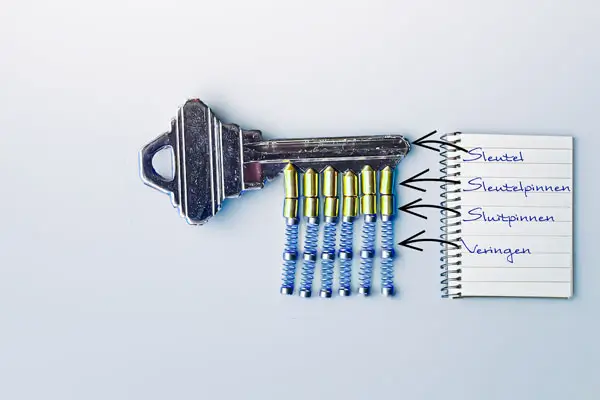
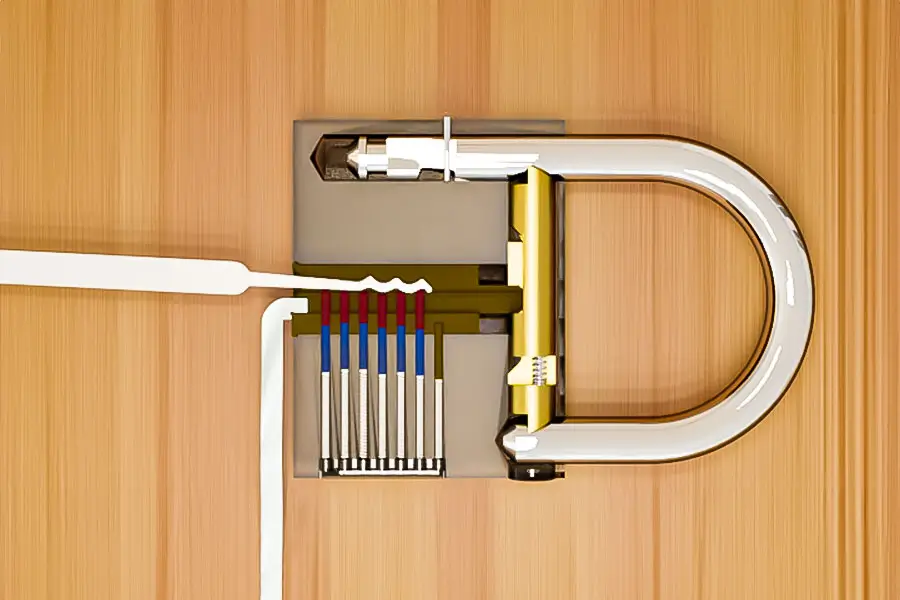
The first step is to understand how a lock works. Many people skip this and dive straight into using their picks. That is a recipe for frustration. Take the time to learn the basics, and the rest will follow naturally.
How does a lock work?
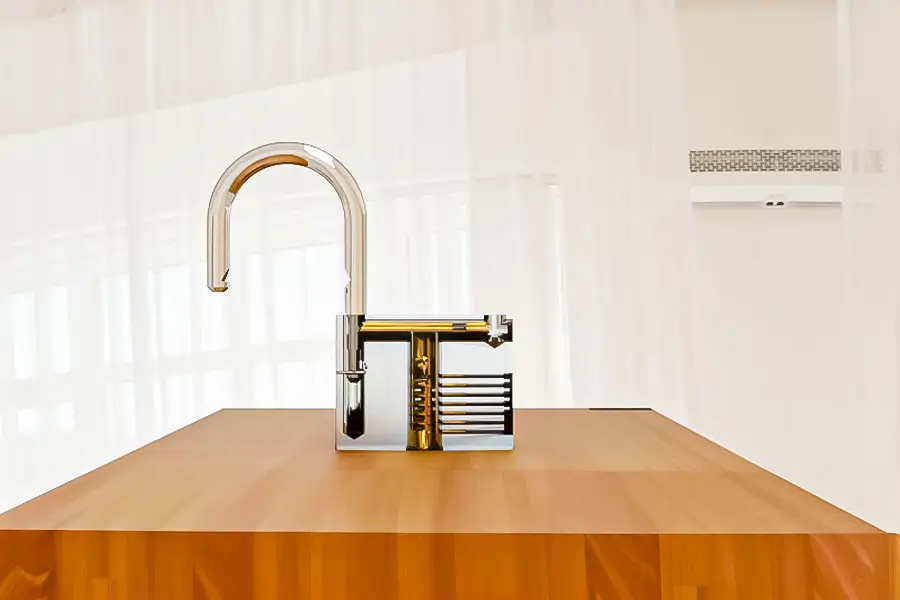
Most locks you encounter are pin cylinder locks. Such a lock consists of a housing with a rotating cylinder inside. The cylinder and housing contain small chambers with pins and springs.
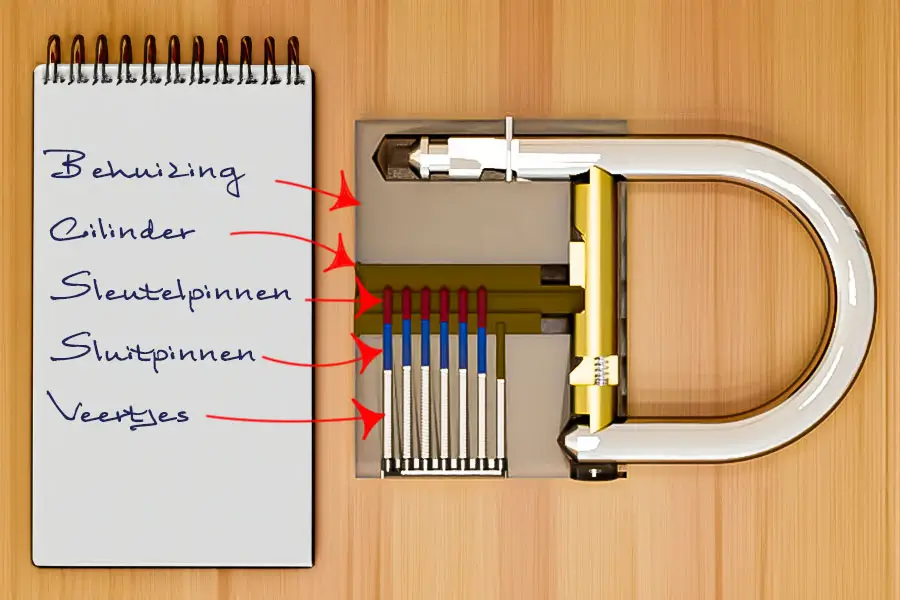
There are two types of pins. The key pins touch the key and have different lengths that match the notches on your key. Above them are the driver pins, which block the boundary between the cylinder and the housing. This boundary is called the “shear line”. The springs push everything down.
When you insert the correct key, the key pins are pushed up just enough so that the transition between the key pins and driver pins aligns with the shear line. At that moment, the cylinder can turn, and the lock opens.
In this Short, you can see exactly what happens when the pins are not positioned correctly. Part of the driver pins remains in the cylinder and blocks the rotation.
Do you want to try this with a paperclip? Read our guide on opening a lock with a paperclip.
Why can you open a lock without a key?
In short: because no lock is perfectly made. Even with modern technology, the chambers and pins in a lock are just a fraction different in size and position. These small differences make lockpicking possible.
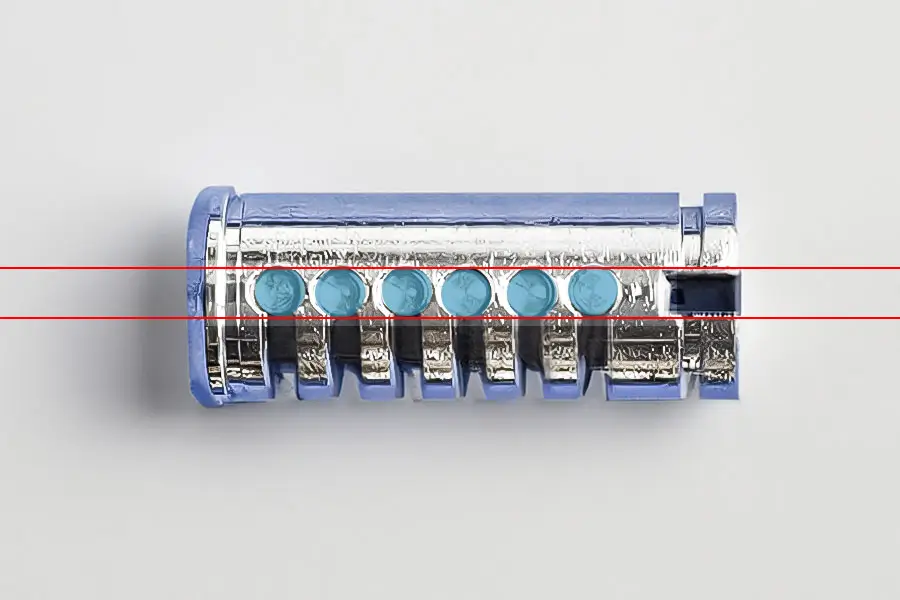
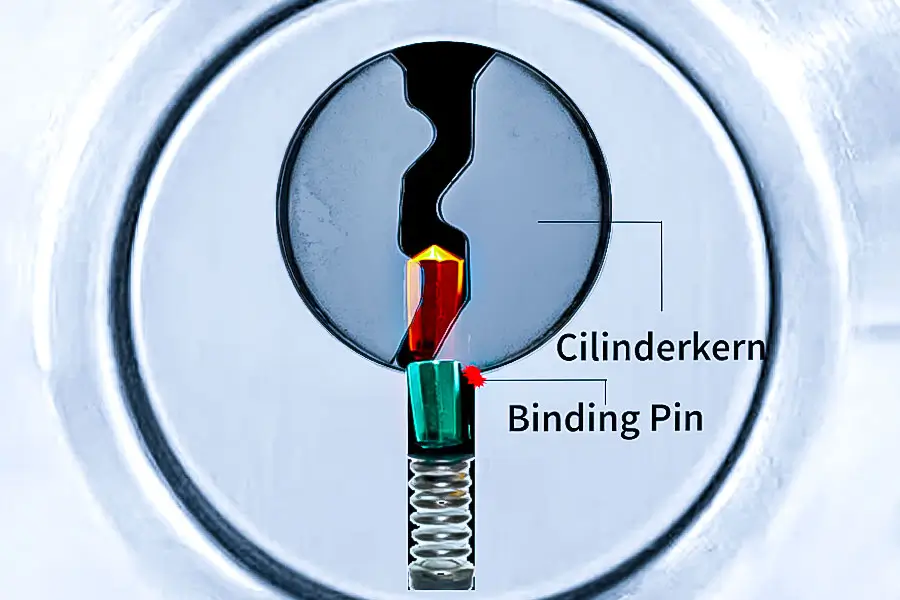
When you apply light tension to the cylinder with a tension wrench, due to these imperfections, only one pin will bind against the edge of its chamber. That is the “binding pin”. You push that pin up with a hook pick until it clicks at the shear line. The cylinder turns a fraction further, the next pin starts to bind, and you repeat the process. Pin by pin, until the lock is open.
This feeling of resistance is called “feedback”. You can feel with your pick which pin is binding and which one moves freely. That feeling is your guide.

Open your first lock in three steps
For this exercise, you need three things: a cylinder lock with 5 pins (like the Skylender practice lock), a standard hook pick, and a tension wrench.
Required time:
-
Step 1: Create your own practice lock
Disassemble the lock and remove all pin stacks except for the one in the first chamber, closest to the keyhole. Reassemble the lock. Now you have a lock with only one pin to practice with.
Place the tension wrench and apply light tension. Use your hook pick to gently push the pin down. You will feel resistance: that is the binding pin. Push until you hear a click.
Do you want to know exactly how to disassemble a lock? Read our guide on setting up your own lockpicking practice lock.
Gently apply tension to the lock with a TOK tension wrench. -
Step 2: Recognize differences in the lock
Add an extra pin stack in the second chamber. Now you have two pins. When you apply tension to the cylinder, you will feel that one pin moves freely while the other binds. Recognizing that difference is the essence of lockpicking.
The “binding pin” scrapes along the cylinder core in the lock. -
Step 3: Lockpick a real lock
Add a third pin stack and repeat the steps. Keep adding pin stacks until you can open the entire lock with all five pins. Take your time with this. Most beginners can open their first complete lock within one to two weeks.

Further learning
Now that you have mastered the basics, there are several directions to take your lockpicking to the next level.
Raking is the fastest way to open a lock. You manipulate multiple pins at once with quick movements. Ideal if you want quick results.
Single Pin Picking (SPP) gives you full control over each pin. It is more precise and works on locks where raking falls short.
Many advanced locks use security pins such as spools and serrated pins. These provide misleading feedback and cause “false sets” where the lock appears almost open but is not. A practice lock with security pins helps you learn to recognize this.
Do you want to know how a lockpick gun works? Read our explanation about the difference with manual lockpicking.
Stuck? Check the 10 most common mistakes and how to avoid them.
Ready to start lockpicking?
Start today with our complete beginner sets. Everything you need in one package.
Check Beginner Sets
Frequently asked questions from beginner lockpickers
What is the most common mistake in lockpicking?
Too much tension on the tension wrench. This prevents the pins from setting correctly. Always start with as little pressure as possible and gradually adjust. Read more about common mistakes in our article on the most common lockpick mistakes.
Which lockpick set is best for beginners?
A set with two to three hooks, a couple of rakes, and various tension wrenches is enough to get started. The LPXS-15 or Sparrows Spirit Set are excellent choices.
How long does it take to learn lockpicking?
With regular practice, you can open your first simple lock within one to two weeks. For locks with security pins, expect two to three months.
Should I learn raking first or single pin picking?
Raking is easier and faster for beginners. SPP gives you more control and works on locks that you cannot open with raking. The best approach is to start with raking and learn SPP as soon as you feel comfortable with the basics.
Are there locks that cannot be picked?
No lock is 100% unpickable, but brands like Medeco and Abloy have mechanisms that pose a significant challenge even for experienced lockpickers.

More Lockpicking Blogs
Want to learn lockpicking? With the right lockpick set and our guides, you can open your first lock within just a few hours. Whether you choose a beginner lockpicking set or professional lockpick tools, our articles will teach you all the techniques step by step.
Setting Up a Practice Lock Yourself
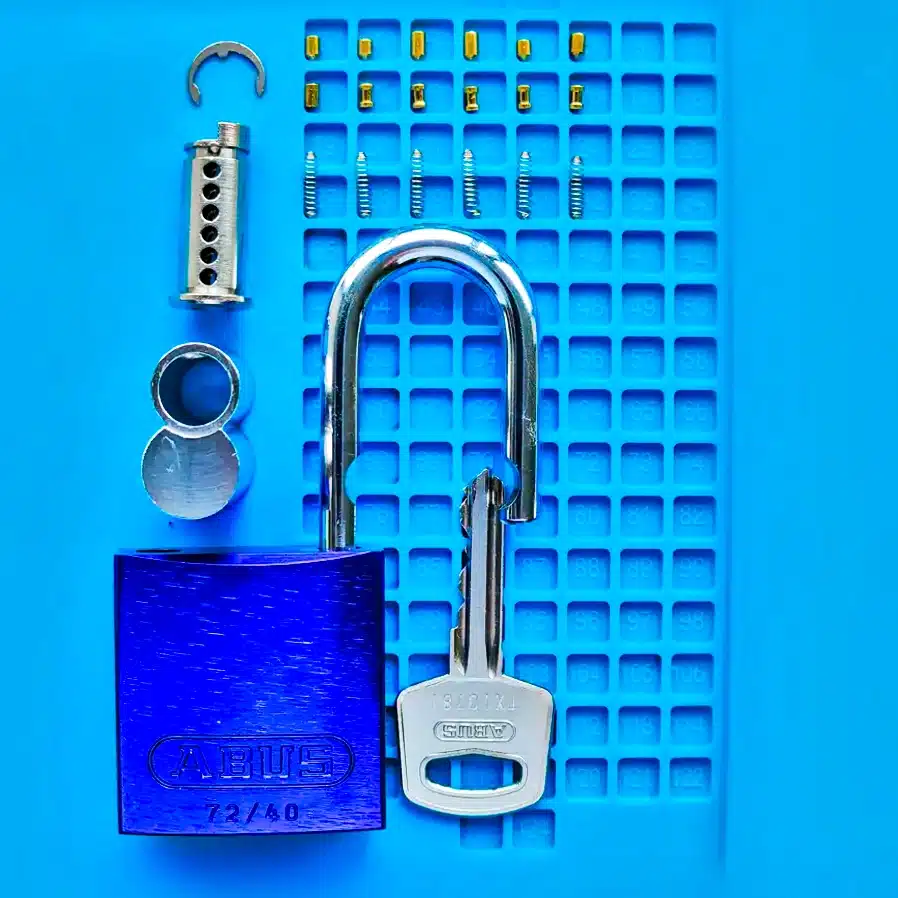
Learn step by step how to create your own lockpicking practice lock from an ABUS 72/40 padlock. From disassembling the cylinder to progressively repinning: this comprehensive guide helps you...
The 10 Most Common Lockpick Mistakes
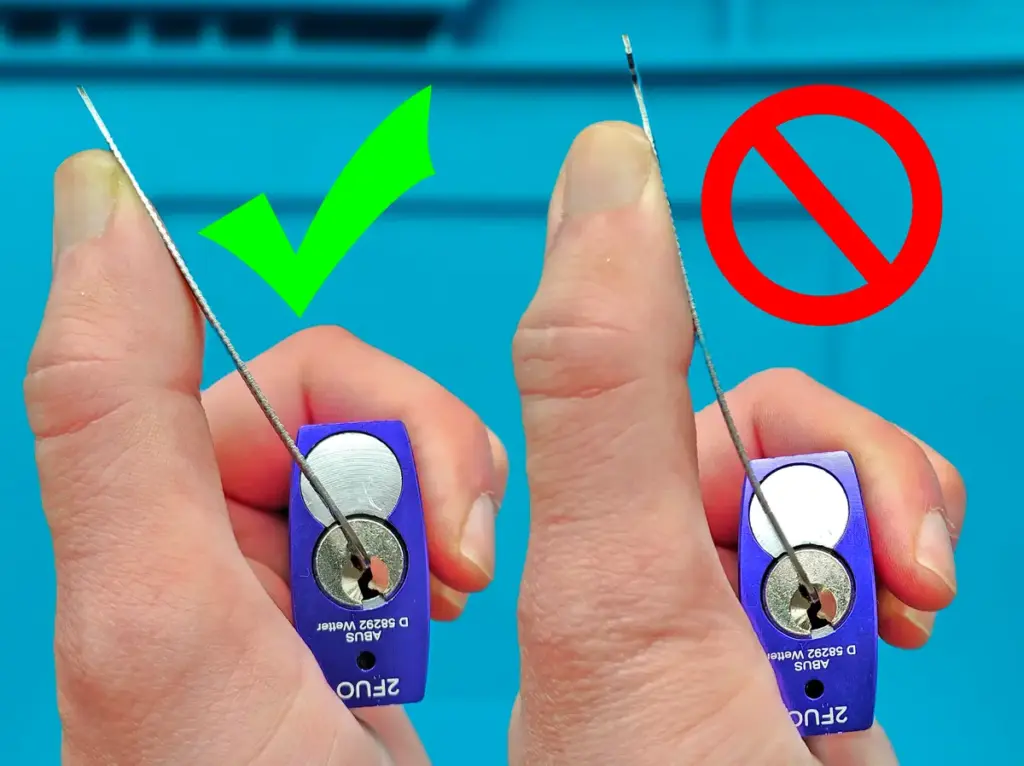
After years of helping lockpickers, I keep seeing the same mistakes: too much tension on the tension wrench, only practicing with transparent locks, wrong tool choices, and skipping progressive...
What is Core Pull Protection?
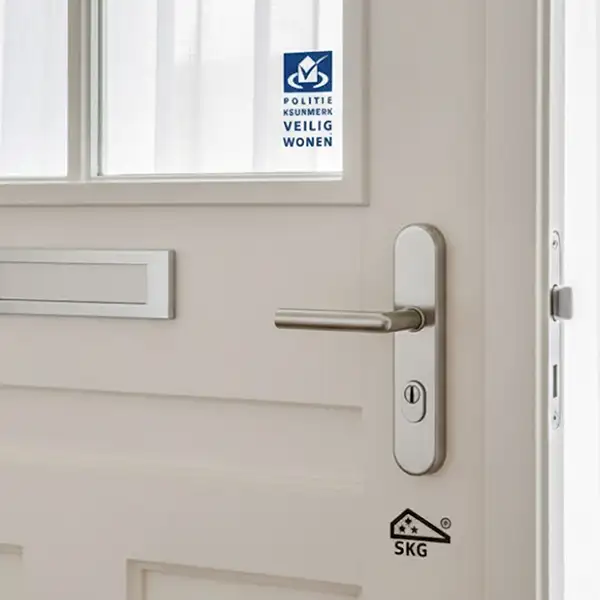
Core pull protection safeguards your door lock against a specific burglary technique where the cylinder core is forcibly pulled out of the lock. In this article, we explain how...
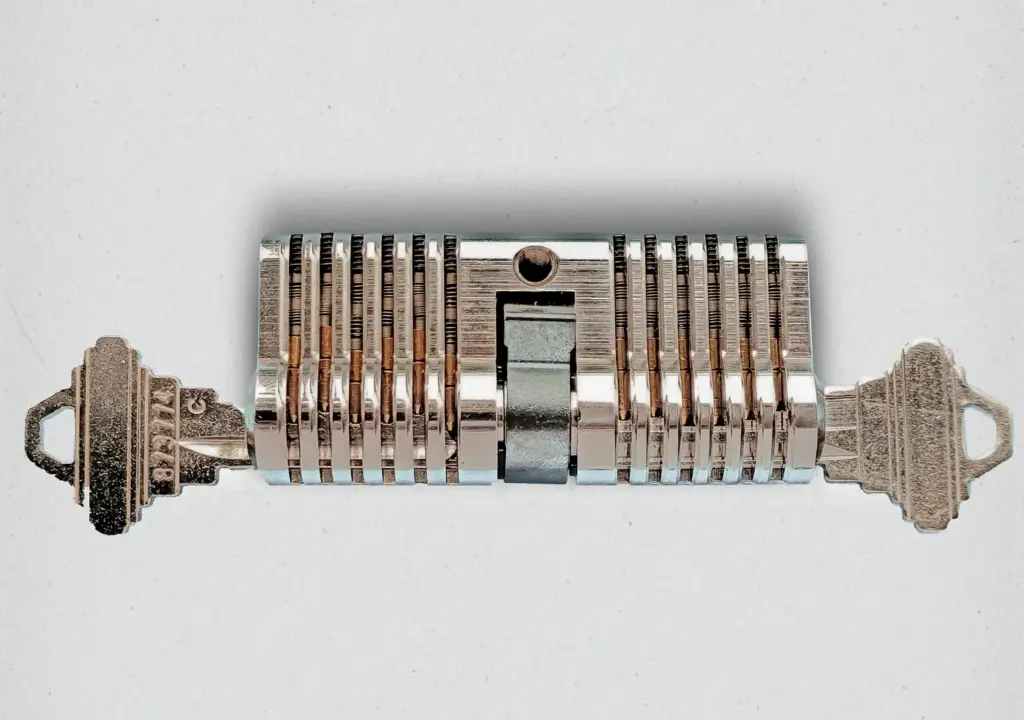
Cylinder Lock Opening or Replacing? This is How a Cylinder Lock Works
How exactly does a cylinder lock work, and when should you replace it? In this guide, we explain the basic components of a pin tumbler lock, discuss security classes...