
-
Je winkelmandje is leeg
Ga naar de shop om producten in je winkelwagen te plaatsen
The Marking Technique – Lockpicking for Beginners
Learn how to mark your lockpick with a simple marker to learn lockpicking faster. This life hack gives you visual reference points, so you know exactly how deep to insert and which pin you are hitting. Ideal for beginners looking to improve their skills.
Author: Ties
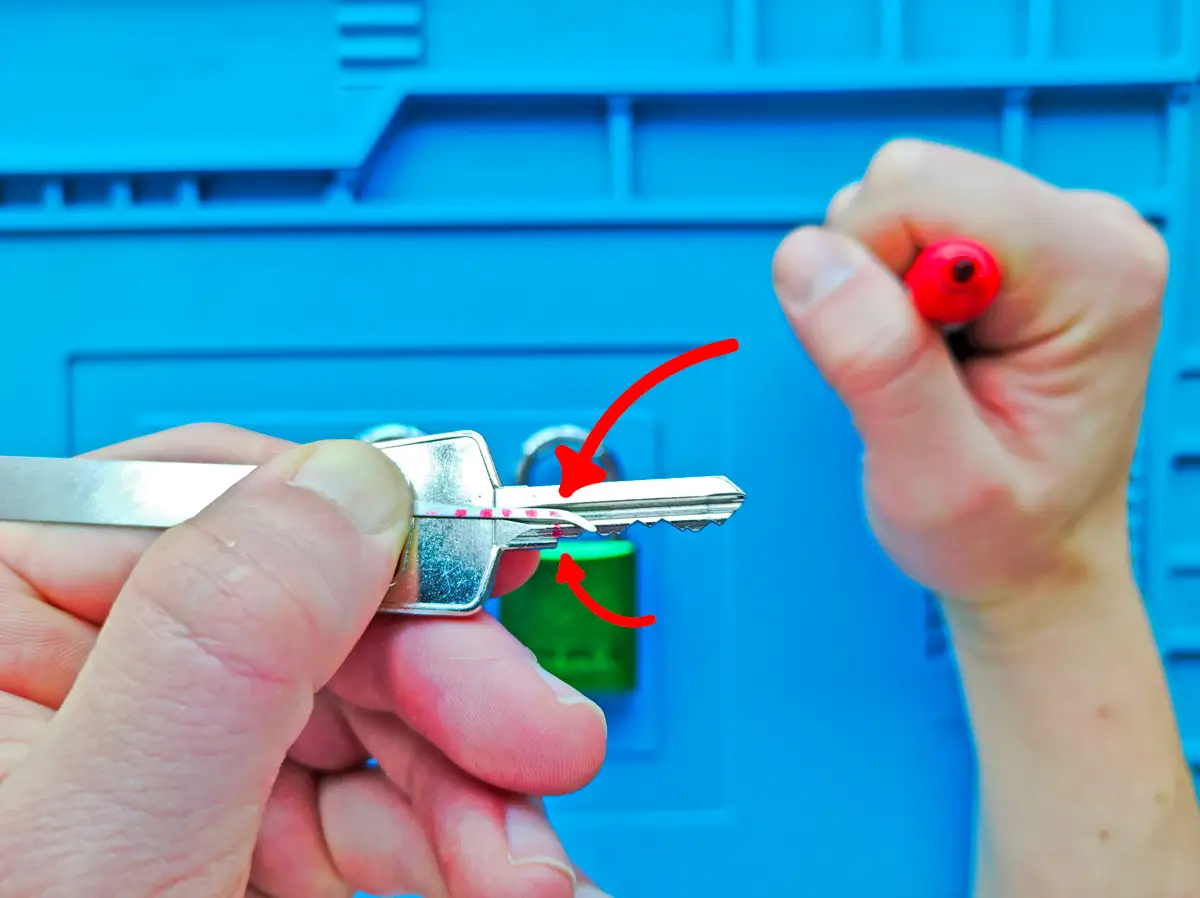
If you want to master the basics of lockpicking right away, you need to use this life hack. Learn directly what it takes to open an Abus padlock. Fortunately, you can use this trick on any new lock as long as you have the key.
This technique involves marking your lockpick with a Sharpie. Use the key as a reference to more accurately determine the position of the pins in the lock. This way, you create a cheap Lishi tool from your lockpick.
The Importance of Markings
Marking your lockpick is very simple, but oh so effective! It’s a quick method to improve your lockpicking skills. You get visual reference points on your lockpick. These help you understand how deep you need to insert the pick and which pin you are working on.
Steps for Marking the Lockpick
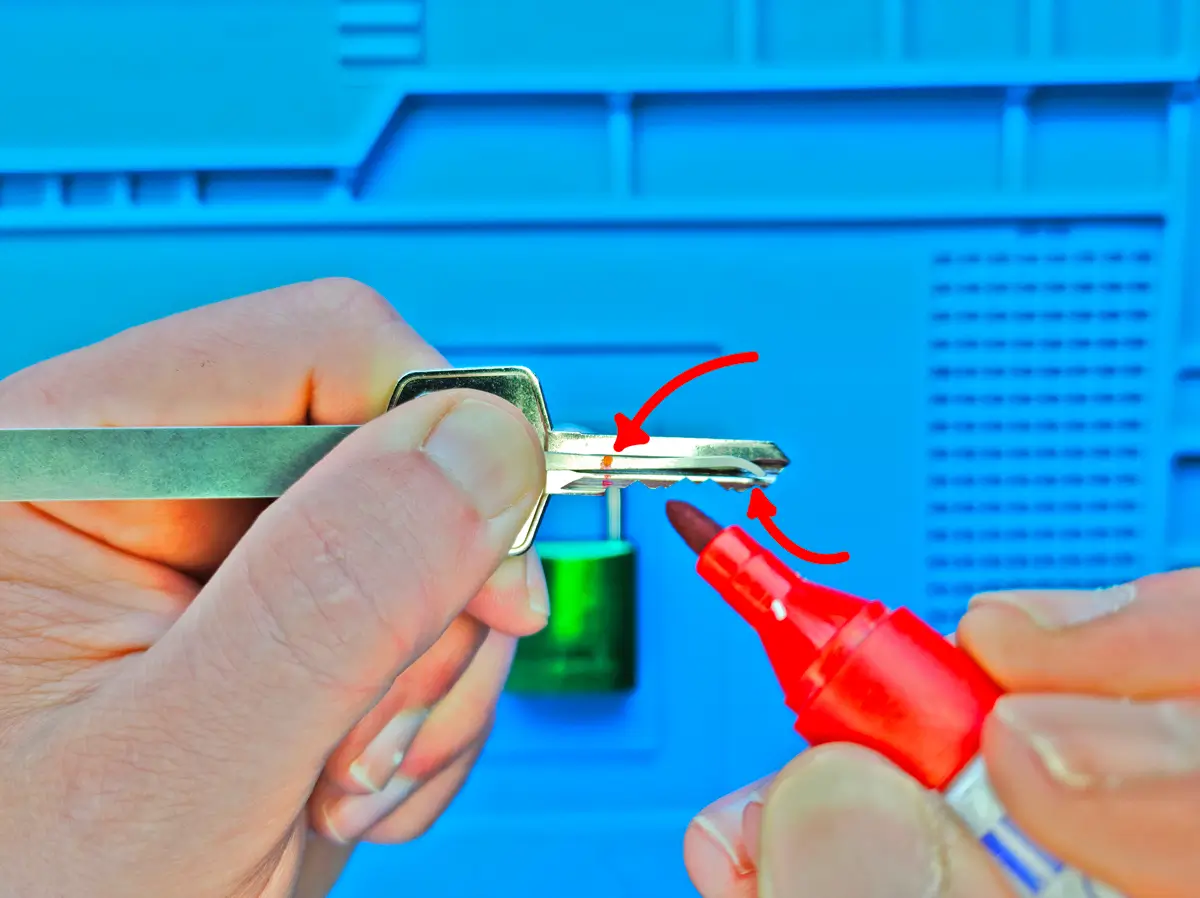
- Determine Starting Position: Insert the key into the lock and mark the point where the profile of the key meets the edge of the lock body. This is the shoulder of the key.
- First Marking: Hold the tip of the pick against the position of the last notch in the key and mark the pick just below the reference marking on the key.
- Subsequent Markings: Pull the pick back until the tip is aligned with the notch for the fourth pin and mark again. Repeat this for the remaining notches.
- Result: A pick with five reference points, corresponding to the five pins in the ABUS 72/40 lock.
This is especially useful for beginners, as you get an extra layer of visual feedback while practicing.
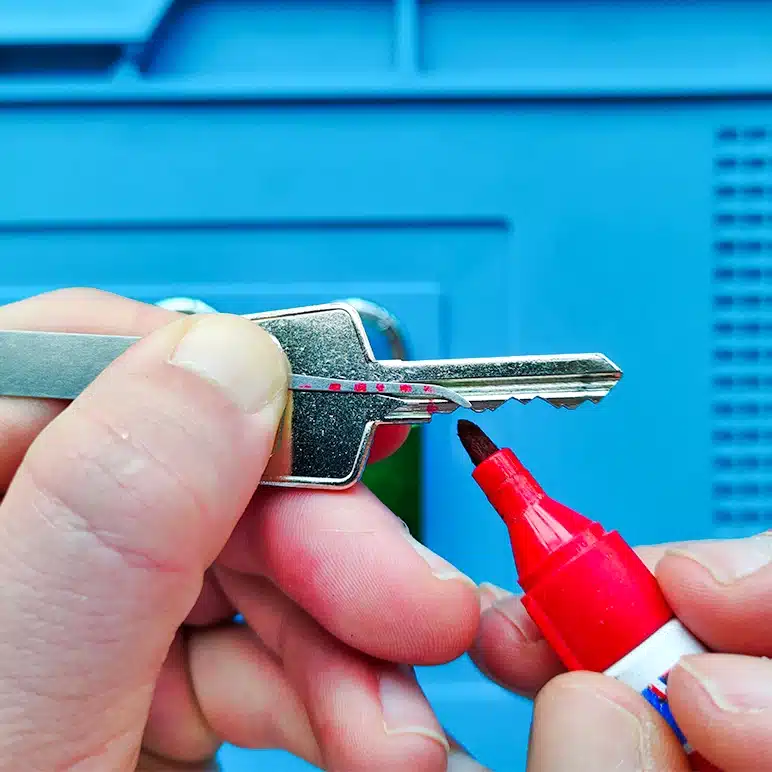
Now, when you insert the lockpick into the lock, you can see when your lockpick is effective. Place the red line on your lockpick directly on the outside of the lock. If you can just see the red line, then the lockpick is above a pin.

More Lockpicking Blogs
Want to learn lockpicking? With the right lockpick set and our guides, you can open your first lock within just a few hours. Whether you choose a beginner lockpicking set or professional lockpick tools, our articles will teach you all the techniques step by step.
Opening a Lock with a Paperclip [2025 Update]
We explain how to open locks with paperclips. We explore the history and mechanisms of padlocks and provide a detailed guide on using paperclips as lockpick tools in the...
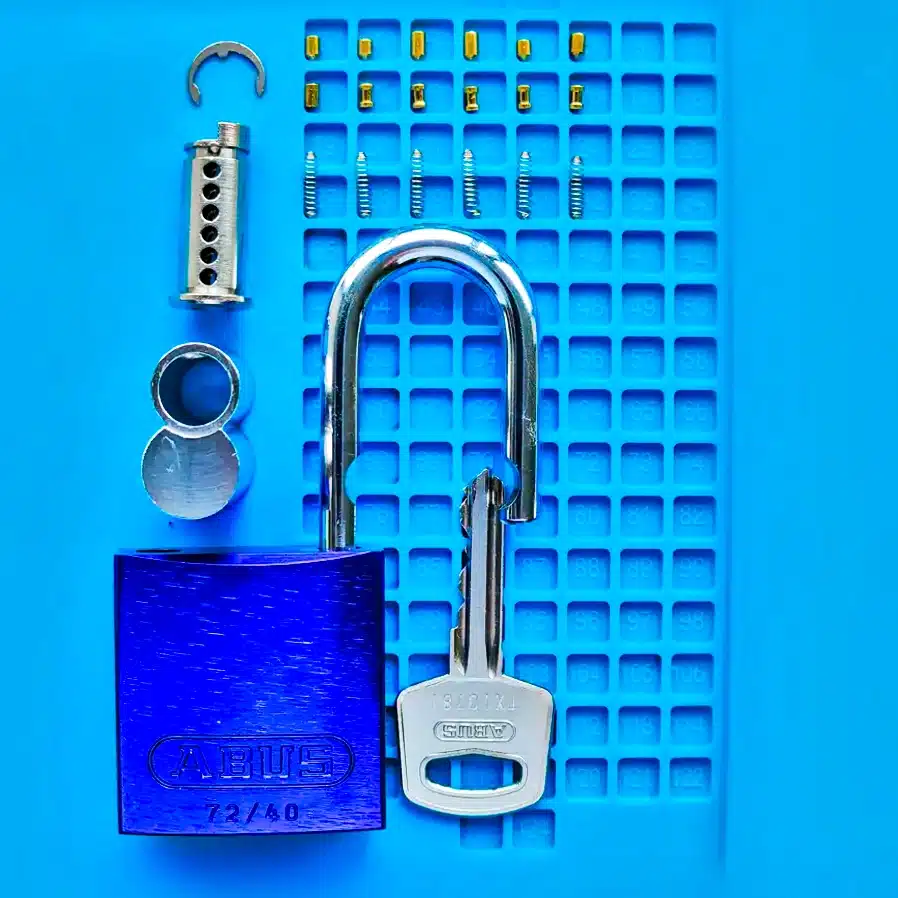
Setting Up a Practice Lock Yourself
Learn step by step how to create your own lockpicking practice lock from an ABUS 72/40 padlock. From disassembling the cylinder to progressively repinning: this comprehensive guide helps you...
Is a lockpick set legal?
Is the possession and use of a lockpick set legal? We explain how the legislation works in the Netherlands and other countries such as Belgium, Germany, and the United...
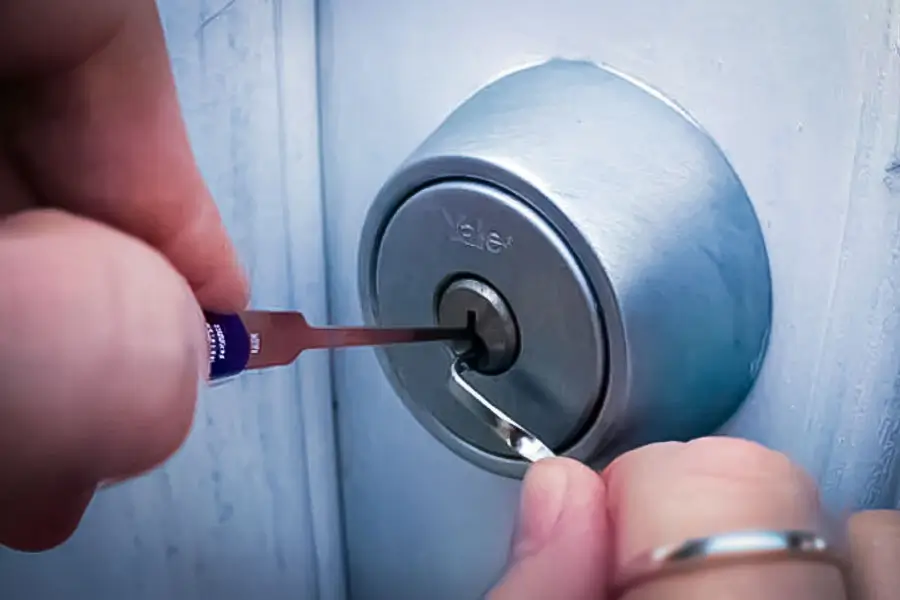
Why You Should Learn Lockpicking Now
Lockpicking has an undeserved negative image, but is primarily a valuable and fascinating skill. Discover how it helps you better understand your own security, how it provides solutions in...