
-
Je winkelmandje is leeg
Ga naar de shop om producten in je winkelwagen te plaatsen
The 10 Most Common Lockpick Mistakes
After years of helping lockpickers, I keep seeing the same mistakes: too much tension on the tension wrench, only practicing with transparent locks, wrong tool choices, and skipping progressive pinning. In this guide, I discuss the 10 most common lockpick mistakes, why they happen, and how to solve them, so you can learn to lockpick faster and with more enjoyment.
Author: Ties
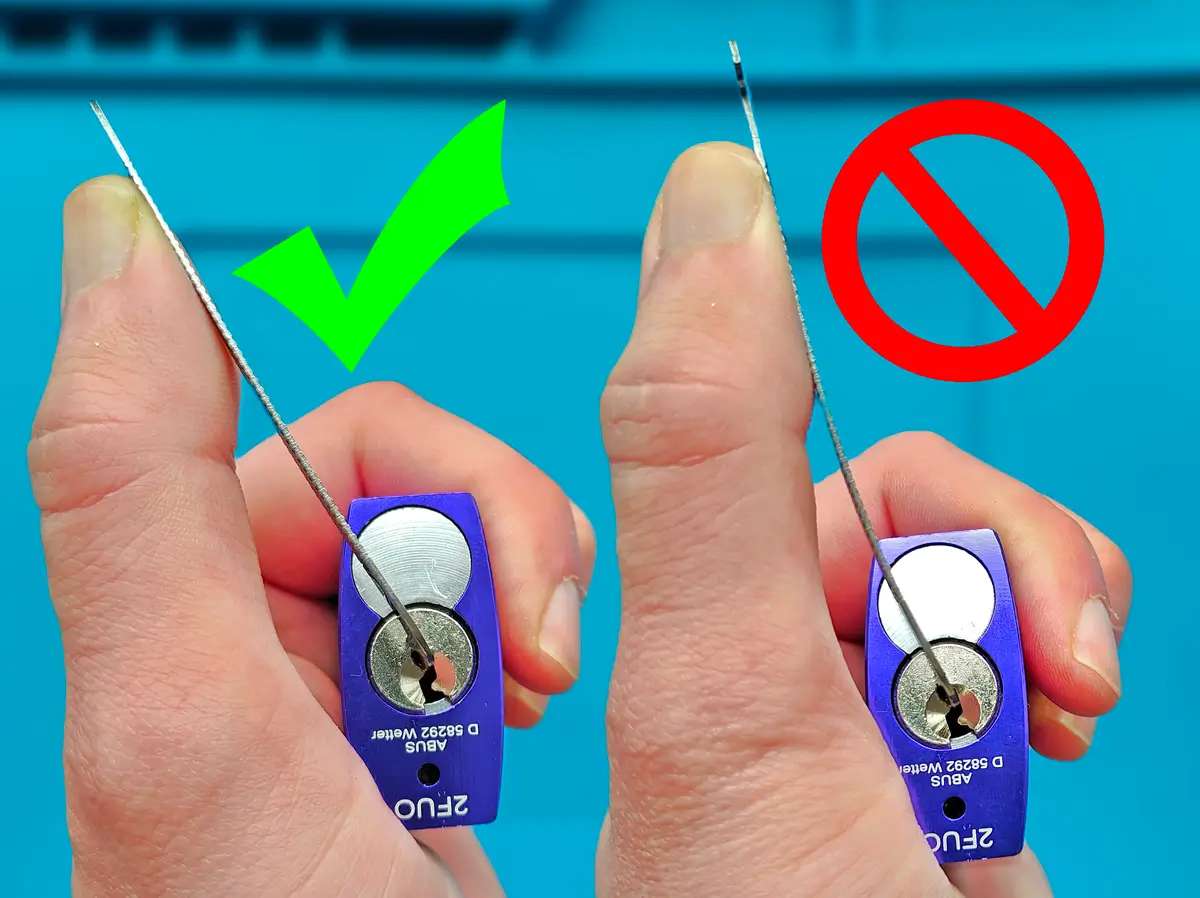
Estimated reading time: 12 minutes
After years of helping lockpickers and answering thousands of questions, I keep seeing the same mistakes. It doesn’t matter if you’re just starting out or have been at it for a while – these mistakes creep in for everyone. The good news? If you know them, you can avoid them!
In this comprehensive guide, I will take you through the 10 most common lockpicking mistakes. For each mistake, I will explain why it happens, what the consequences are, and more importantly: how to fix it.
Mistake #1: Too Much Tension on the Tension Wrench
This is undoubtedly THE most common mistake. I see it every day: beginners tightening their tension wrench so hard that their knuckles turn white.
The problem: Too much tension causes the pins to get stuck between the plug and the housing. They can no longer move freely, which means you won’t feel any feedback.
Imagine trying to open a door while someone leans against it with all their weight. That’s what you’re doing with too much tension!
The solution: Start with the lightest possible pressure. I really mean LIGHT – about the weight of a paperclip on your finger. Only add tension if you notice that the pins aren’t staying in place.
With a TOK tension wrench from the Flat Bar set, you’ll get better control and feedback than with traditional BOK wrenches.
Pro tip: If you notice that you no longer feel feedback, release all tension for a moment and start again.
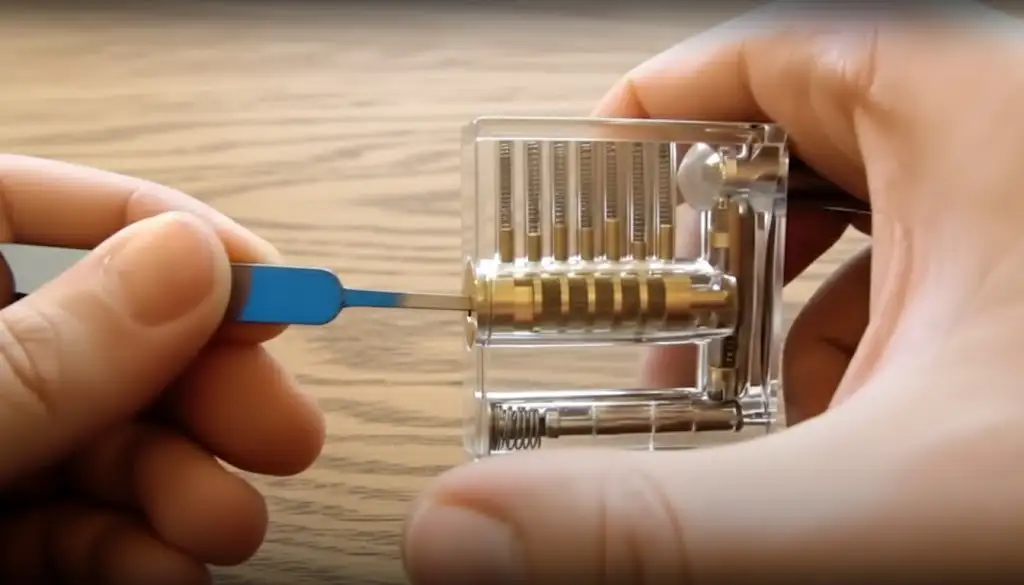
Mistake #2: Only Practicing with Transparent Locks
Transparent practice locks are great for understanding how a lock works. But there is a big danger: you become dependent on what you see instead of what you feel!
The problem: Lockpicking is 90% about feel. With transparent locks, you train your eyes, not your fingers. Moreover, plastic locks behave very differently than real metal locks.
Transparent locks often have: different friction than metal locks, weaker springs that respond differently, looser tolerances that make mistakes less noticeable, and no realistic feedback through your tools.
The solution: Use transparent locks only for the initial introduction (maximum one week). After that, switch to real locks that you can set up for progressive pinning.
Preferably buy a real metal practice lock that you can disassemble. Start with 2 pins and gradually build up.
Mistake #3: Making the Wrong Tool Choices
I see it so often: beginners buying a huge set of 30+ picks made of cheap steel that bends as soon as you use it. It seems like a bargain, but you’re actually buying frustration!
The problem: Cheap picks bend, break, or provide no good feedback. You don’t need 30 different picks – you need a few GOOD picks.
The solution: Start with a small set of high-quality tools: 2-3 different hook picks (shallow, medium, deep), 1 good rake (like a triple peak), and 4-6 different tension wrenches (more important than picks!).
An excellent starter set is the Sparrows Kick Start set. Focus especially on different tension wrenches – they make more difference than you think!
Pro tip: Invest the most in tension wrenches. A good lockpicker can open more locks with one hook pick and 5 different tension wrenches than with 20 picks and 1 tension wrench.
Mistake #4: Thinking Lishi Tools are Universal
Ah, the Lishi tool. I get asked at least once a week: “I bought a Lishi but it doesn’t fit in my lock, is it broken?” No, it’s not broken – you just don’t understand how Lishi tools work!
The problem: Many beginners think that a Lishi tool is some kind of magical universal lockpick. In reality, each Lishi tool is made for ONE specific type of keyhole.
A Lishi SC4 works ONLY in Schlage SC4 keyholes. A Lishi HU66 works ONLY in VAG HU66 car locks.
The solution: Before you buy a Lishi, first identify exactly which type of lock you want to open. Check the brand and model.
For hobbyists who want to learn to open different locks, traditional picks are much more versatile. If you still want to try a Lishi, start with a common type like the Lishi 2-in-1 for popular car brands.
Mistake #5: Skipping Progressive Pinning
This is the mistake of impatience. You want to open that 6-pin Abus lock you saw on YouTube right away. But would you also climb Mount Everest immediately without first trying a hill?
The problem: Starting with complex locks leads to frustration, bad habits, and often giving up.
The solution: Start with a lock with only 2 pins, practice until you can open it within 30 seconds, add one pin, and repeat until you reach 5-6 pins.
Don’t feel like disassembling locks yourself? The Sparrows Progressive Locks are made specifically for this purpose.
Pro tip: Keep track of your times! It’s motivating to see how you progress.
Mistake #6: Giving Up Too Quickly or Going On Too Long
Lockpicking is a balance between perseverance and knowing when to stop. I often see both extremes, and both are problematic.
The problem: Giving up too quickly means you never get through the first difficult phase. Going on too long leads to frustration and possibly damaged tools.
The solution: Work in sessions of 15-20 minutes. If it doesn’t work? Take a 5-minute break, try another lock, and come back later.
Remember: lockpicking is not a sprint but a marathon.
Mistake #7: Using the Wrong Pick for the Lock
It’s tempting to always use the same pick. But every lock is different, and choosing the right pick is half the job!
The problem: Using a shallow hook pick for a lock with high and low pins leads to oversets.
Do you see large height differences between the notches of the key? Then you probably need a deep hook like the SouthOrd Small Deep Hook.
The solution: Learn the characteristics of different picks: shallow hook (for locks with little variation in pin heights), medium hook (the all-rounder), deep hook (for extreme height differences), and rake (for quick attempts on simple locks).
Mistake #8: Ignoring the Feedback from the Lock
Lockpicking is a conversation between you and the lock. The problem? Many beginners don’t listen to what the lock has to say!
The problem: Pushing mechanical pins without feeling what is happening. You miss crucial information about binding order, false sets, and when a pin is correctly placed.
Each pin feels different. A binding pin has more resistance. A correctly placed pin gives a small “click” and the plug turns a fraction.
The solution: Slow down and focus on feel. Close your eyes – seriously! This forces you to rely on your sense of touch.
Mistake #9: Not Maintaining Tools and Locks
A dirty, dry lock is like a rusty bike – technically it still works, but it’s a crime to work with!
The problem: Dirty locks give false feedback, picks become rusty or bent, and everything becomes harder than necessary.
The solution: Regularly lubricate locks with graphite powder or ABUS lock spray, clean your picks after use with a cloth, store tools dry and safe, and check picks for cracks or bends.
Mistake #10: Practicing Alone
Learning lockpicking in isolation is possible, but you’re missing out on so much! The community is a goldmine of knowledge, tips, and motivation.
The problem: Without feedback from others, you may develop bad habits, miss new techniques, and lose motivation.
The solution: Get active in the community! Join online forums and Discord servers, attend TOOOL meetings in Europe, share your progress, and ask for feedback.
The Dutch lockpicking community is friendly and helpful. TOOOL (The Open Organisation Of Lockpickers) regularly holds meetings where you can learn from experts.
Conclusion: From Mistakes to Mastery
These 10 mistakes we all make – myself included when I started! The difference between getting stuck and progressing lies in recognizing and correcting these mistakes.
Key takeaways:
Less is more (light tension, little force, quality over quantity with tools), systematic learning (progressive pinning, correct order, having patience), listen to the lock (feedback is everything), and join the community (you learn faster together).
Start today by improving one aspect. Tomorrow another. Before you know it, you’ll be opening locks that you dreamed of just a month ago!
Frequently Asked Questions
How long does it take before I can open my first lock?
With the right approach and a simple 3-pin practice lock, you can achieve your first successes within an hour. A complex 6-pin lock? Expect weeks to months of practice.
Why does my new lockpick set feel so stiff?
New picks often have a protective coating that needs to “wear in”. After a few hours of use, they become more flexible. You can speed up the process by lightly polishing them with fine sandpaper (400+ grit).
Am I allowed to lockpick anywhere in the Netherlands?
Owning lockpicks is legal in the Netherlands. Use them only on your own locks or with explicit permission from the owner. Carrying them in public can be seen as “suspicious”.
Which lock do you recommend for beginners?
Start with a simple 4-pin cylinder lock without security pins. Master Lock padlocks are ideal for beginners. Upgrade later to ABUS for more challenge.
My picks keep breaking, what am I doing wrong?
Most likely, you are using too much force or twisting the pick in the lock. Lockpicking is about finesse, not strength. Also, invest in quality picks made of hardened steel.
Is a lockpick gun better for beginners?
No! A lockpick gun may seem easier but it doesn’t teach you good technique. Start with hand picking – then you’ll truly understand how locks work.

More Lockpicking Blogs
Want to learn lockpicking? With the right lockpick set and our guides, you can open your first lock within just a few hours. Whether you choose a beginner lockpicking set or professional lockpick tools, our articles will teach you all the techniques step by step.
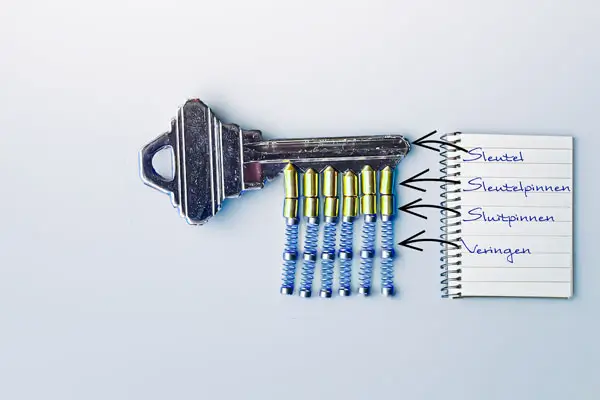
How Does Lockpicking Work? English Lockpick Beginner Guide
Curious about how lockpicking works? This beginner's guide explains the basics of pin cylinder locks, how pins and the cylinder work together, and what techniques lockpickers use to open...
Advice on Buying Your First Lockpick Set for Beginners
Buying your first lockpick set can be overwhelming with all the brands and options available. In this article, I share my personal advice on which set is best for...
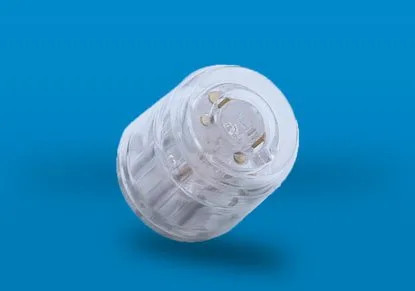
Open radial lock with lockpicks
Radial locks, or tubular locks, may look complicated but are actually very easy to lockpick with the right tubular lockpick. Discover how this round lock is constructed, what tools...
Raking & Rocking – Not Just for Beginners!
Raking and rocking are two of the fastest lockpick techniques to open a lock without needing to feel the exact feedback of single pin picking. In this article, I...