
-
Je winkelmandje is leeg
Ga naar de shop om producten in je winkelwagen te plaatsen
Opening a Lock with a Paperclip [2025 Update]
We explain how to open locks with paperclips. We explore the history and mechanisms of padlocks and provide a detailed guide on using paperclips as lockpick tools in the curious world of lockpicking.
Author: Ties
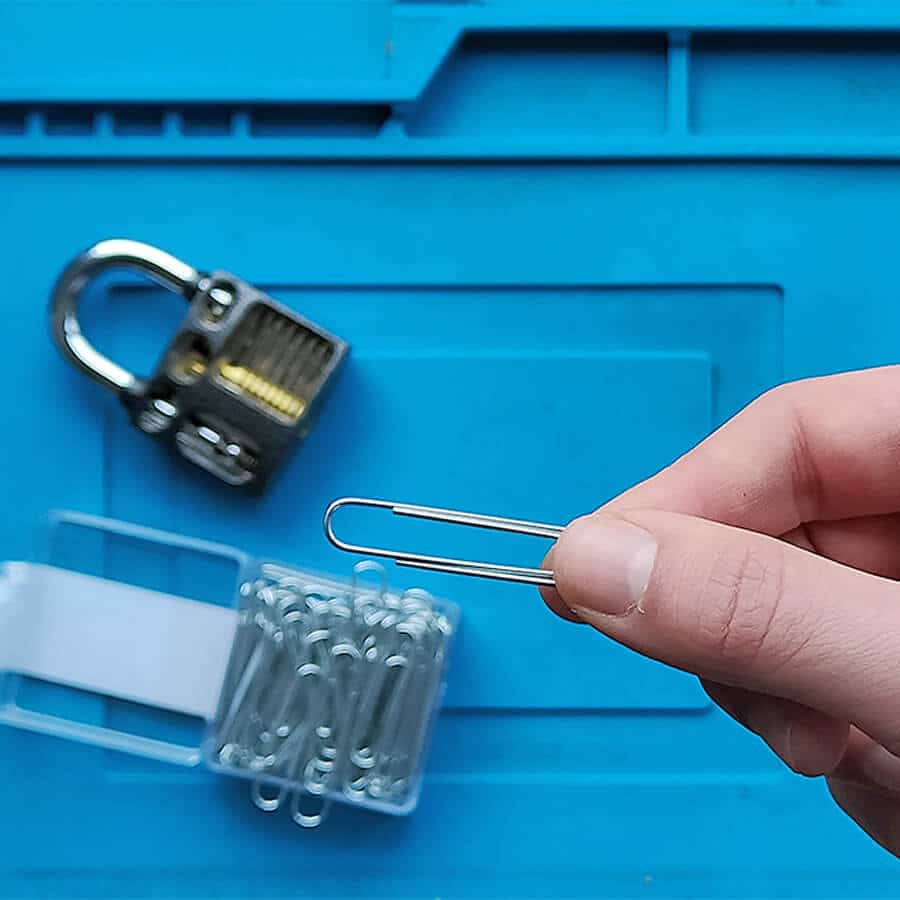
For those moments when you’ve lost your key, your survival instinct needs to kick in. Think à la MacGyver and you’ll find that you only need a paperclip. Within 30 minutes, you’ll have a lockpick set and can open a lock with a paperclip.
How to open a lock with a paperclip has been a topic of interest for decades. Whether at the office or during your studies, the challenge of securing and picking locks remains. Now the question is: how can you open a padlock without a key using a paperclip?
Professional tip: From my experience, this method works best with simple pin-tumbler locks and wafer locks. For more complex locks, I recommend investing in a good beginners lockpick set – this will save you time and frustration.
Can you open every type of lock with a paperclip?
In principle, you can open both old locks and new locks. However, be aware of the complexity of some locks. Take a look at the ranking system created by Lockpickers United. This system rates locks based on their lockpick level.
Most locks outside the white band will not be openable with paperclips. If you want to break open such a lock, one of our lockpick sets would be the better choice.
Make a lockpick tool from paperclips
Let’s get straight to the point and see how we can open a lock with paperclips. Using paperclips in lockpicking is a testament to ingenuity.
Requirements:
Two sturdy paperclips, the lock (open a lock with not too many SKG stars), and optionally a pair of pliers and a key.
Paperclip Lockpicking: Step by Step Guide to Opening Locks
Step 1: Bend a Paperclip into a Lockpick
Requirements:
You need a sturdy paperclip and a key.
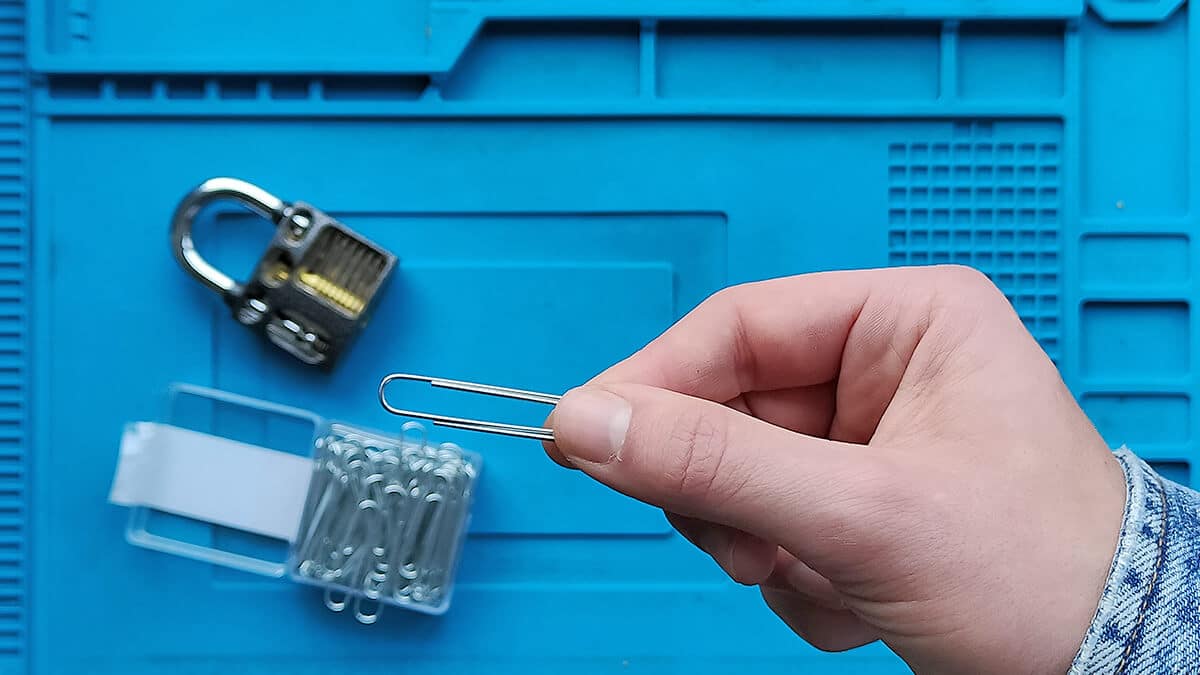
Bend Straight:
Start by straightening the paperclip completely. This forms the basis of your lockpick.
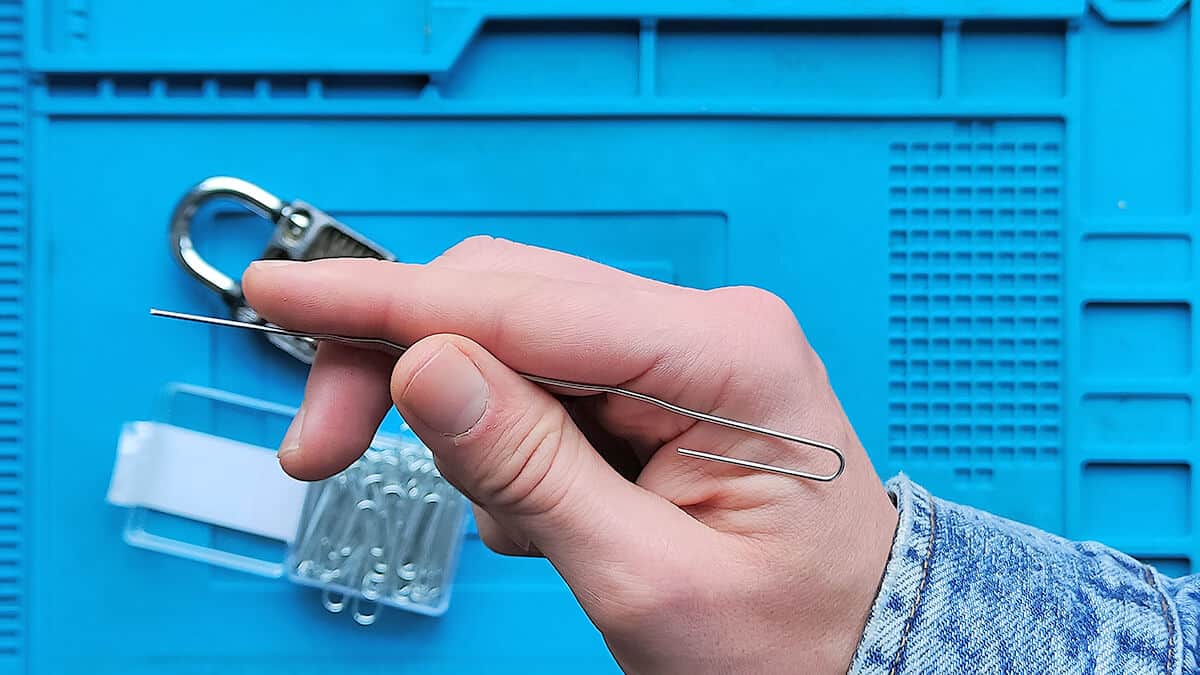
Marking the Bending Point:
Determine where you want to make the hook. This is usually at the end of the paperclip. Use the Key:
Place the paperclip along the edge of the key. Find the point where you want to create the bending point of the hook.
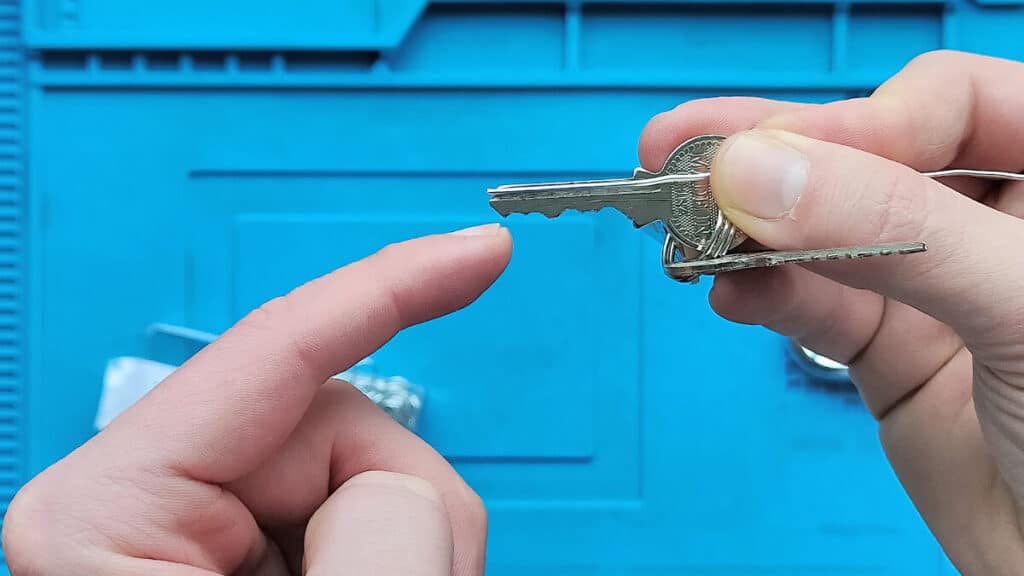
Carefully Bend:
Use pliers to manipulate the paperclip. Gently bend the paperclip to form a small hook that matches the angle of the key point.
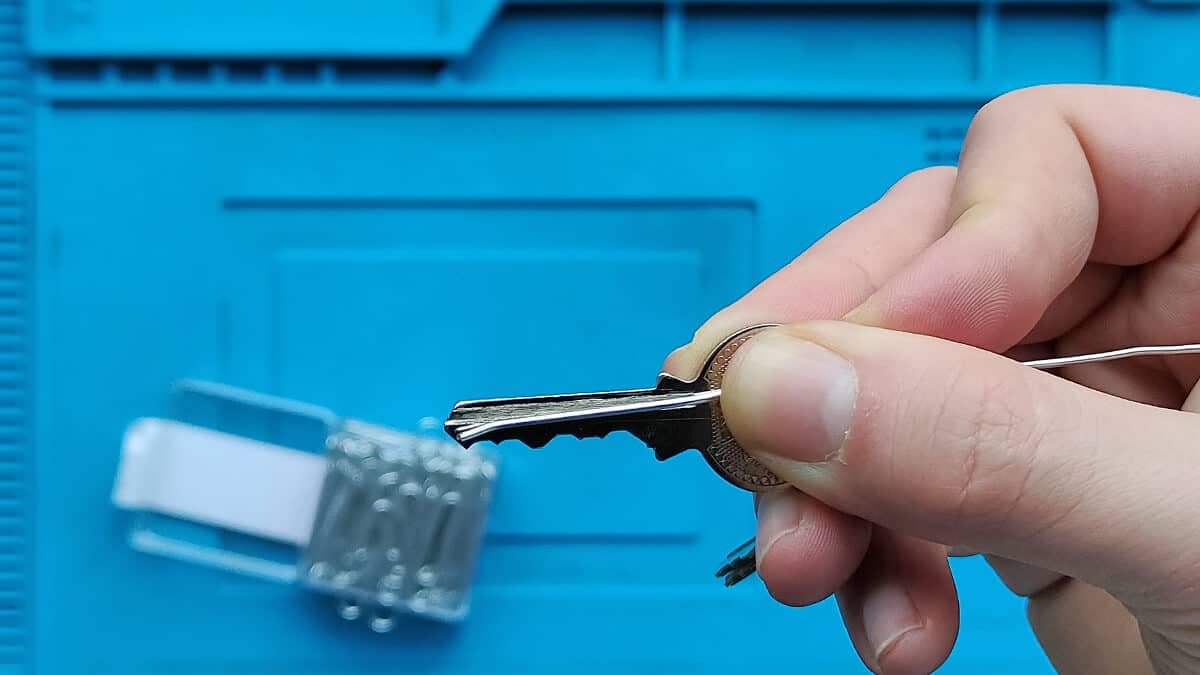
Step 2: Make a Tension Wrench from a Paperclip
Unfold the Paperclip:
Find a sturdy paperclip and unfold it completely.
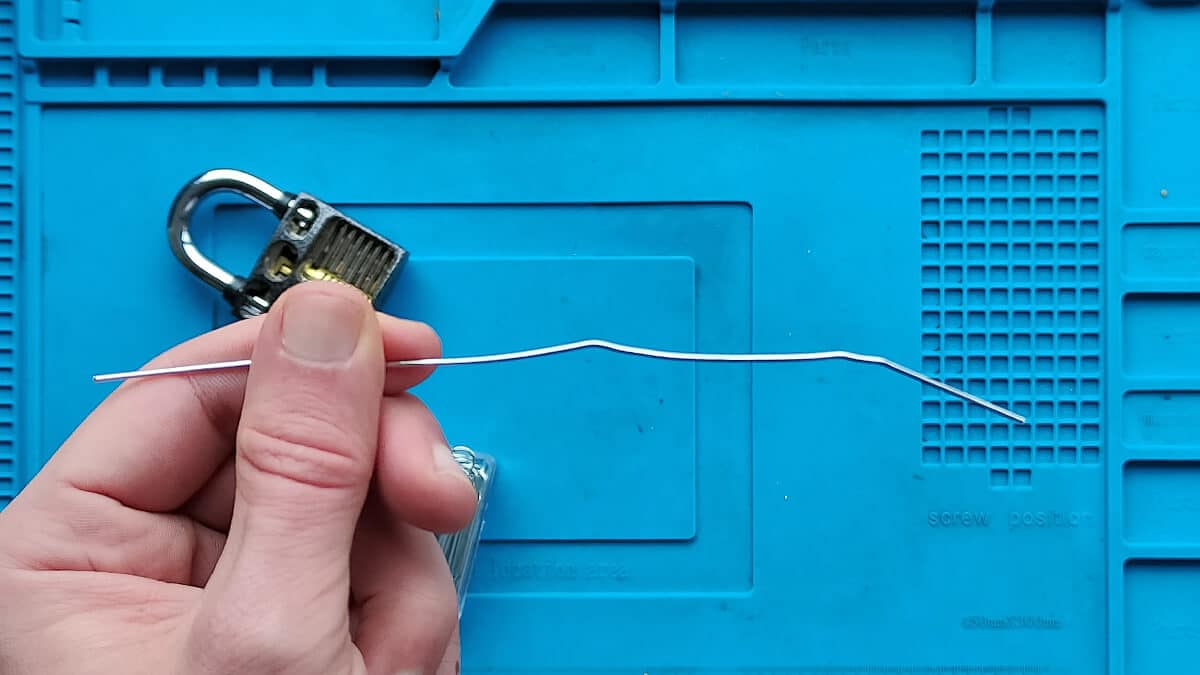
Find the Middle:
Determine the middle of the unfolded paperclip.
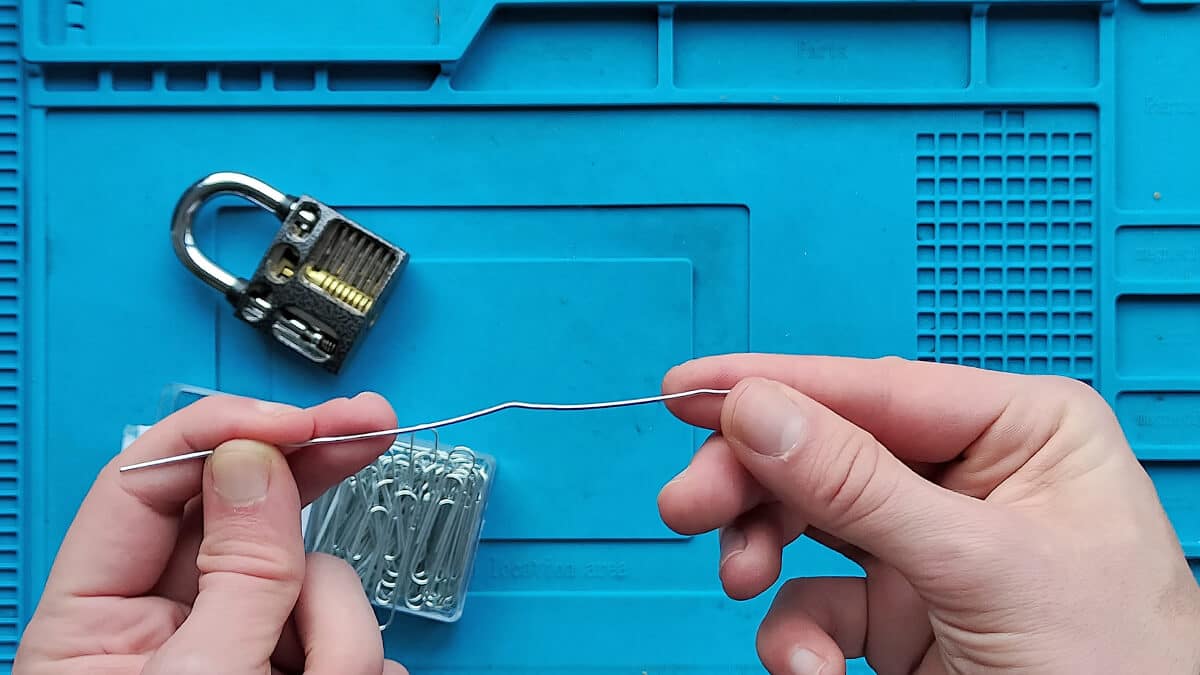
Fold in Half:
Fold the paperclip in half at the midpoint. Make sure the bend is as flat as possible.
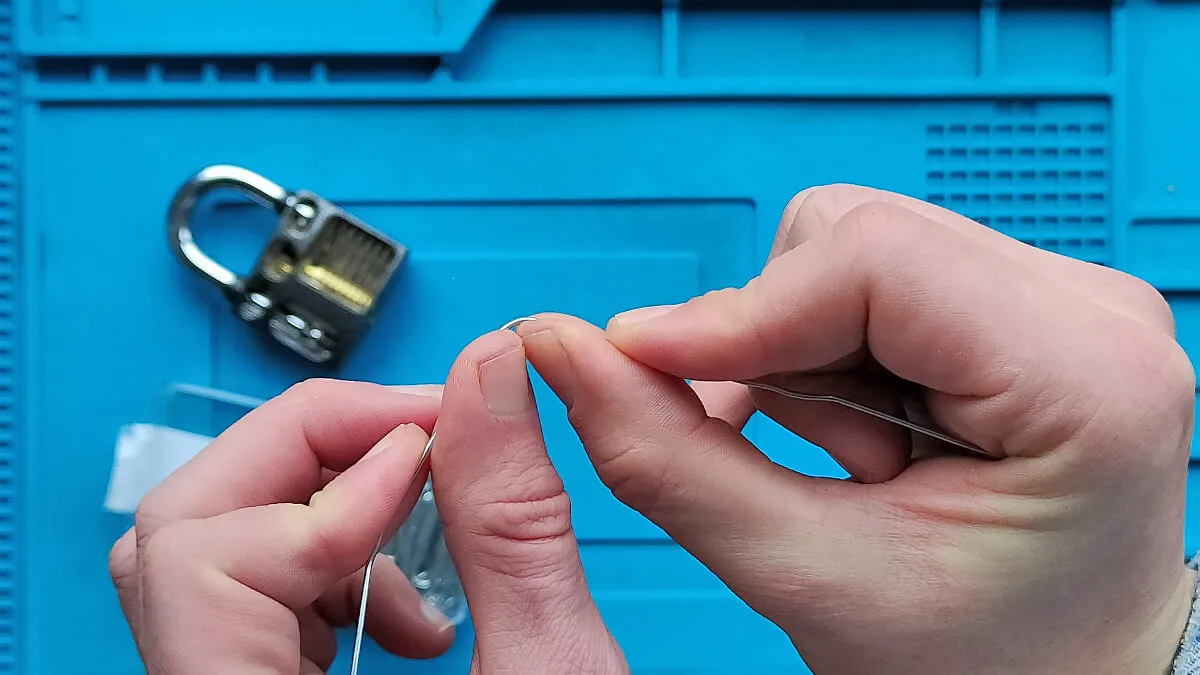
Flatten the Bend:
Use pliers or a heavy object to press the double bend flat.
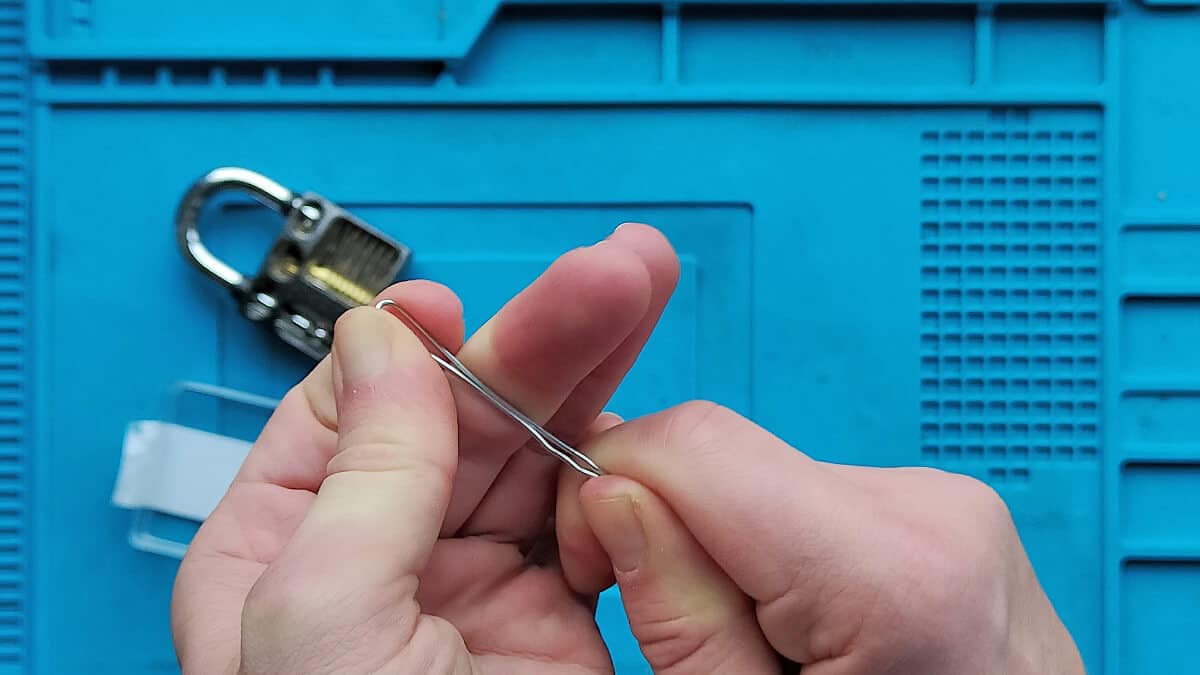
Insert into the Keyhole:
Insert the flat end of the paperclip into the keyhole of the lock.
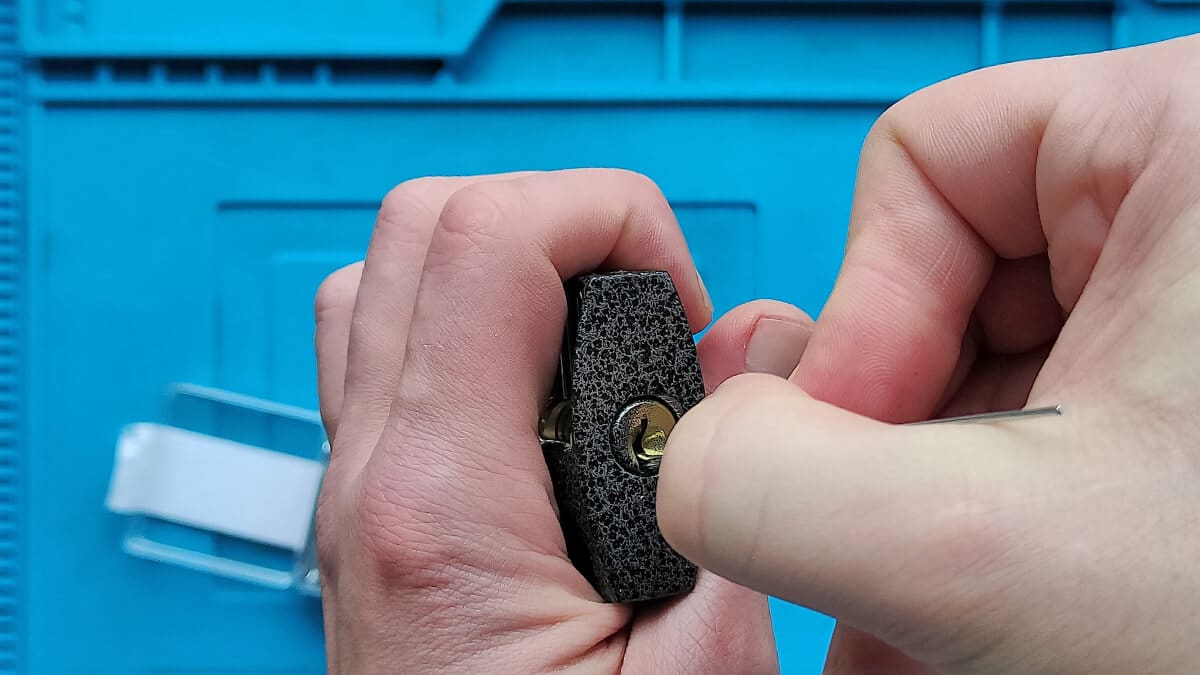
Bend 90 Degrees:
Bend the other end to the left or right (depending on left or right-handedness) at a 90-degree angle.
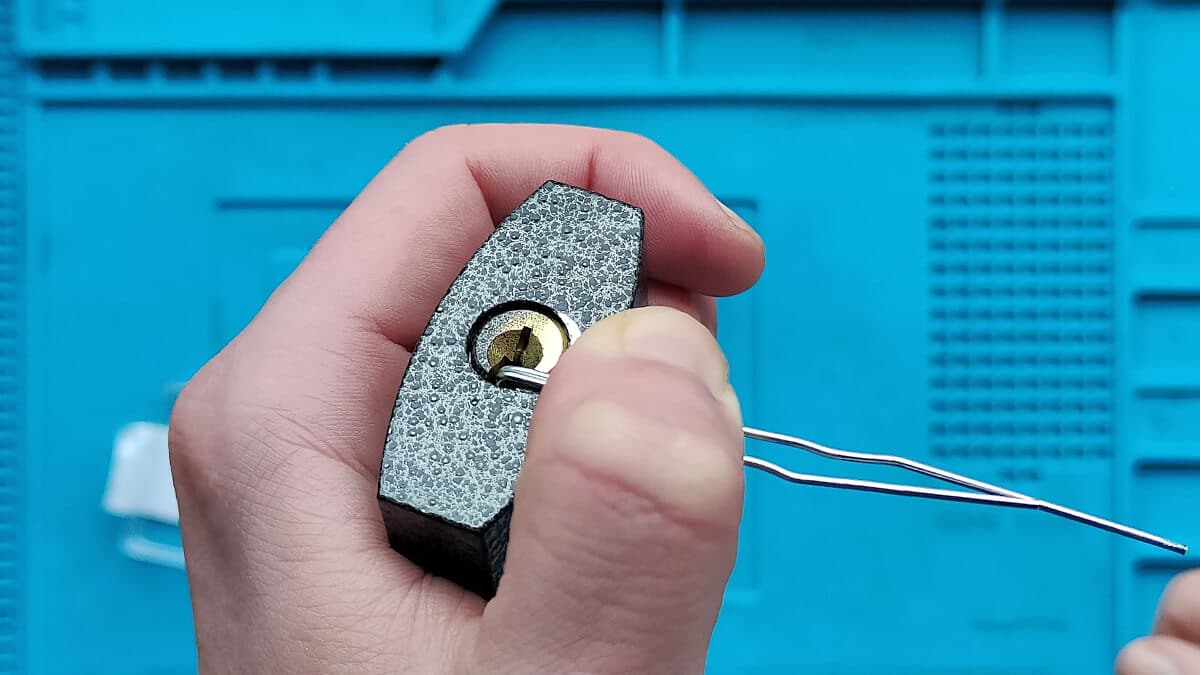
Adjustments:
Push the tension wrench into the lock. Check if it fits and can apply the right tension on the cylinder.
Step 3: Opening the Lock
- Preparation: Make sure you have the homemade paperclip lockpick and tension wrench at hand, and that the lock is your property.
- Insert the Tension Wrench: Place the tension wrench in the lower part of the lock. Apply light torque in the direction the lock turns.
- Insert the Lockpick: Insert the paperclip lockpick into the upper part of the keyhole.
- Look for the Binding Pin: Gently move the lockpick back in the lock. Look for a pin that doesn’t want to move or offers more resistance.
- Set the Binding Pin: Use the lockpick to gently push the binding pin up. You will feel or hear a small click.
- Repeat for Remaining Pins: Repeat the previous step for each pin in the lock.
- Open the Lock: Once all the pins are set, the torque from the tension wrench will open the lock.
Frequently Asked Questions
Can I open a bike lock with a paperclip?
Yes, as long as the paperclip fits in the lock. Also, try using a rake shape instead of a hook pick.
What if I can’t open the lock?
Try resetting the tension and applying it again with a different force. A pulsing tension and lockpick speeds can be effective.
Can lockpicking with paperclips damage my lock?
Yes, there is a chance of damage because paperclips are not designed for lockpicking. Avoid using this method on locks that are in use.
Is it legal to open a lock with paperclips?
In the Netherlands, possession of lockpicking tools is legal, but using them on someone else’s property without permission is illegal.

More Lockpicking Blogs
Want to learn lockpicking? With the right lockpick set and our guides, you can open your first lock within just a few hours. Whether you choose a beginner lockpicking set or professional lockpick tools, our articles will teach you all the techniques step by step.

Why is lockpicking so popular?
Lockpicking has evolved into a popular sport where you challenge yourself with locks. Discover why more and more people are taking up lockpicking, what the main principles are, and...

What Types of Locks Are There?
Discover which types of locks you encounter in Europe: from padlocks and profile cylinders to oval cylinders, knob cylinders, interchangeable cores, and wall or mortise locks. This guide explains...

May 4th Remembrance Day: The Value of Freedom
On May 4th, we pause to remember the victims of World War II and commemorate the value of freedom. We reflect on the sacrifices made and the importance of...
How Does Lockpicking Work? English Lockpick Beginner Guide
Curious about how lockpicking works? This beginner's guide explains the basics of pin cylinder locks, how pins and the cylinder work together, and what techniques lockpickers use to open...