
-
Je winkelmandje is leeg
Ga naar de shop om producten in je winkelwagen te plaatsen
My First Abus Lock Lockpicking
Discover how to lockpick the challenging ABUS 72/40 with step-by-step tips on raking, single pin picking, and using the right tension wrench. Also learn about the marking technique and progressive pinning to make faster progress in learning lockpicking.
Author: Ties
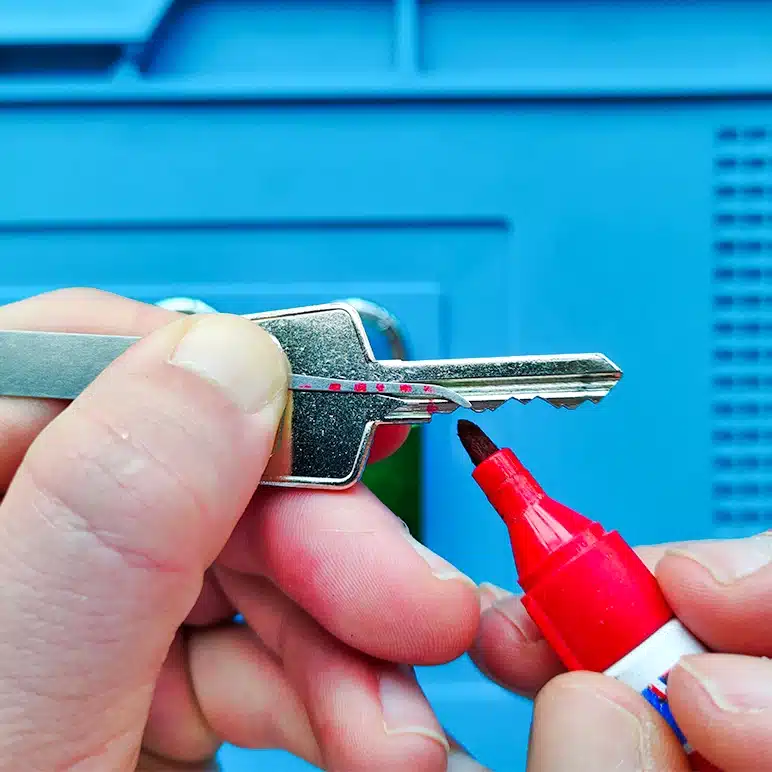
It took months before I could open the colorful ABUS 72/40 with lockpicking. There was no good English book to be found on how lockpicking works. The only thing I found were tips from YouTubers, such as Lockpick Lawyer.
I will give you step-by-step the best tips. You can apply them to any lock.
Unlock the Secrets of the ABUS 72/40: Features and Techniques Analyzed
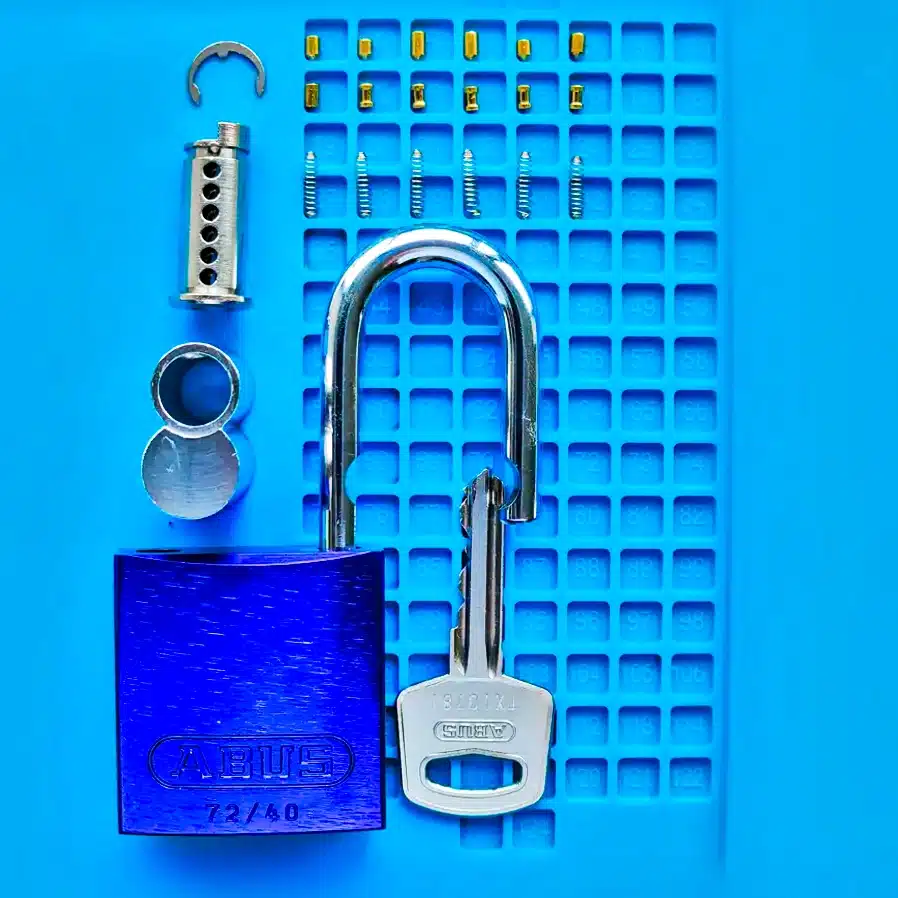
In this ‘How to lockpicking guide’, we explore the ABUS 72/40 padlock in detail. We will dissect the lock and pin it progressively. This way, you will know in advance which pins you will encounter in the lock.
Unique Features of the ABUS 72/40
The ABUS 72/40 has features that make it a challenging lockpick lock. This padlock has a small keyhole and six pins.
- Small keyhole for extra challenge.
- Contains both standard and spool pins.
- Ideal practice lock for beginners and advanced users.
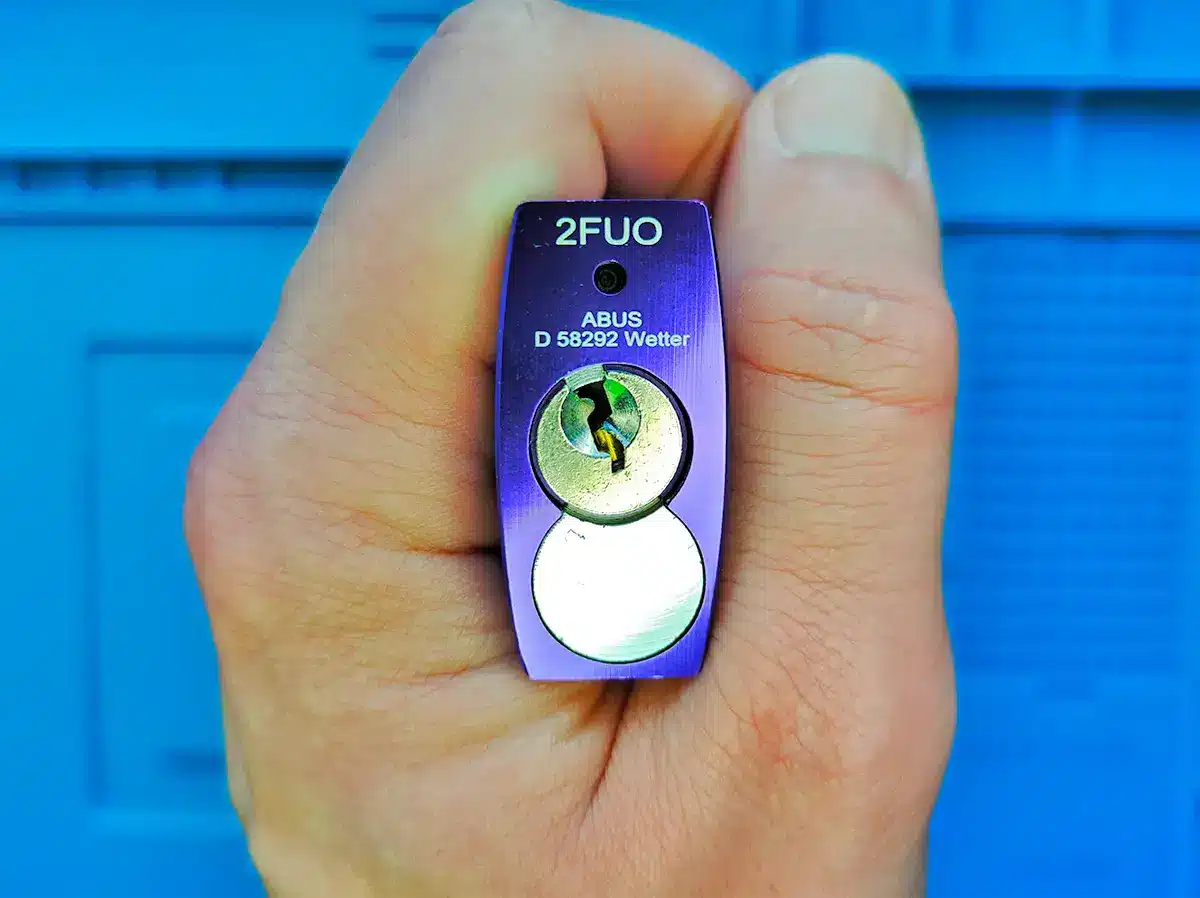
The Dissection Process and What We Discovered
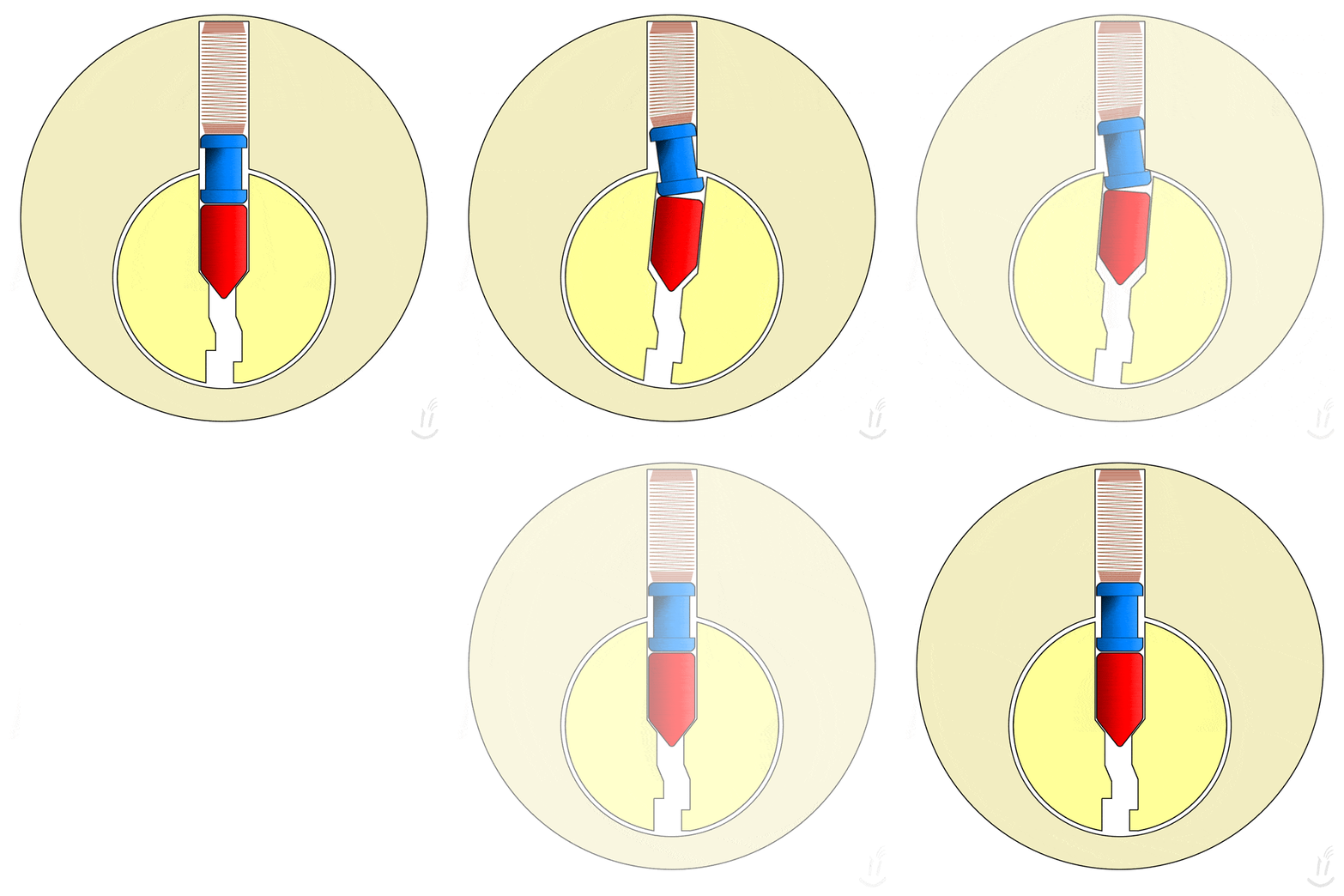
Dissecting the lock reveals the ABUS 72/40’s standard and spool pins.
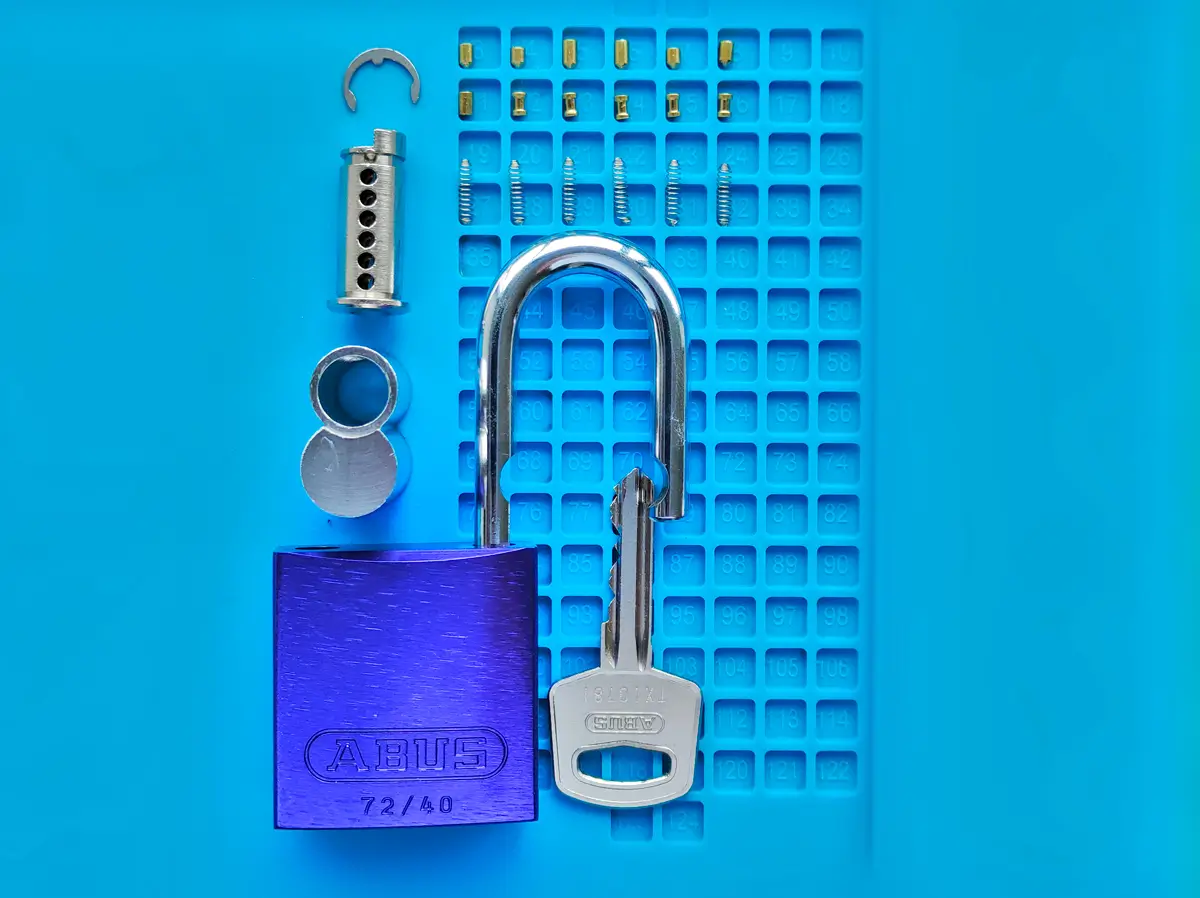
The ABUS 72/40 has a unique set of pins. The spool pins are found on the second row of the pins.
The Marking Technique for Beginners in Lockpicking
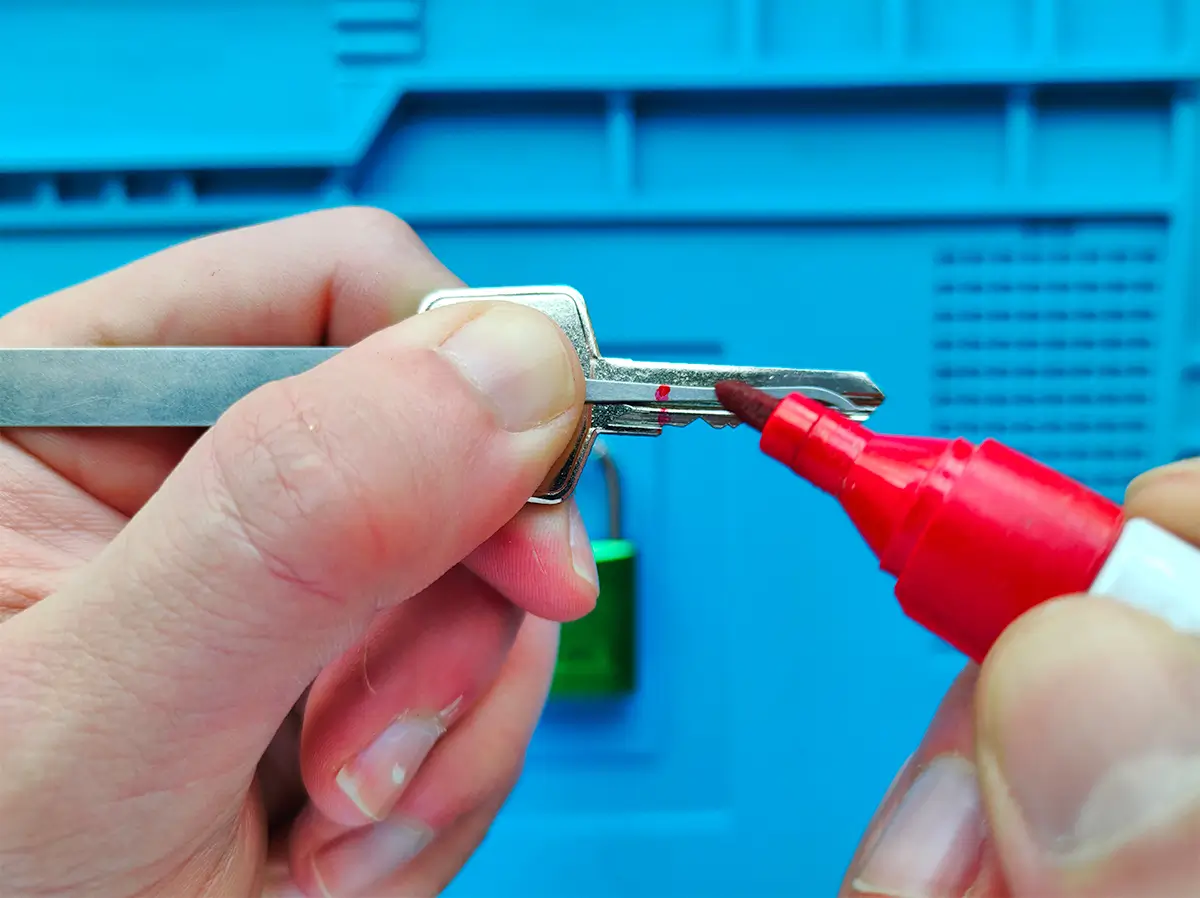
A top tip for beginners: mark your pick with a marker. This allows you to see the position of the pins in the lock. It helps you better understand which pin you are lockpicking.
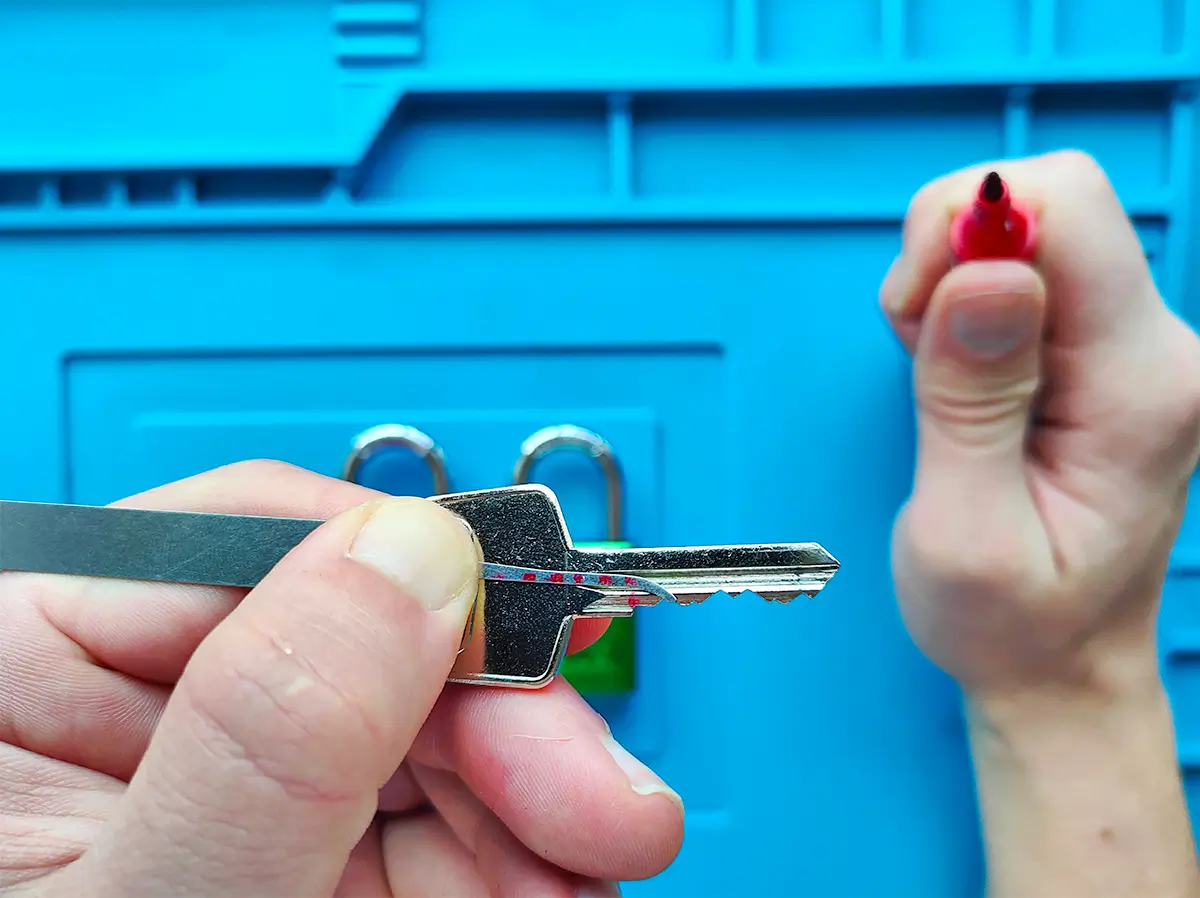
Tips for Lockpicking the ABUS 72/40
- Thin lockpick tools: Necessary given the small keyway. This makes it crucial to use thinner and smaller lock picks.
- The Binding Pin: The binding pin is the pin that needs to be pushed out of the cylinder. This is the pin that is pushed against the wall of the core.
- Dealing with Spool Pins: The spool pins require a sensitive approach. Pay attention to subtle changes in feedback while lock picking. Use subtle pressure with the tension wrench.
Lockpicking a Lubricated Lock
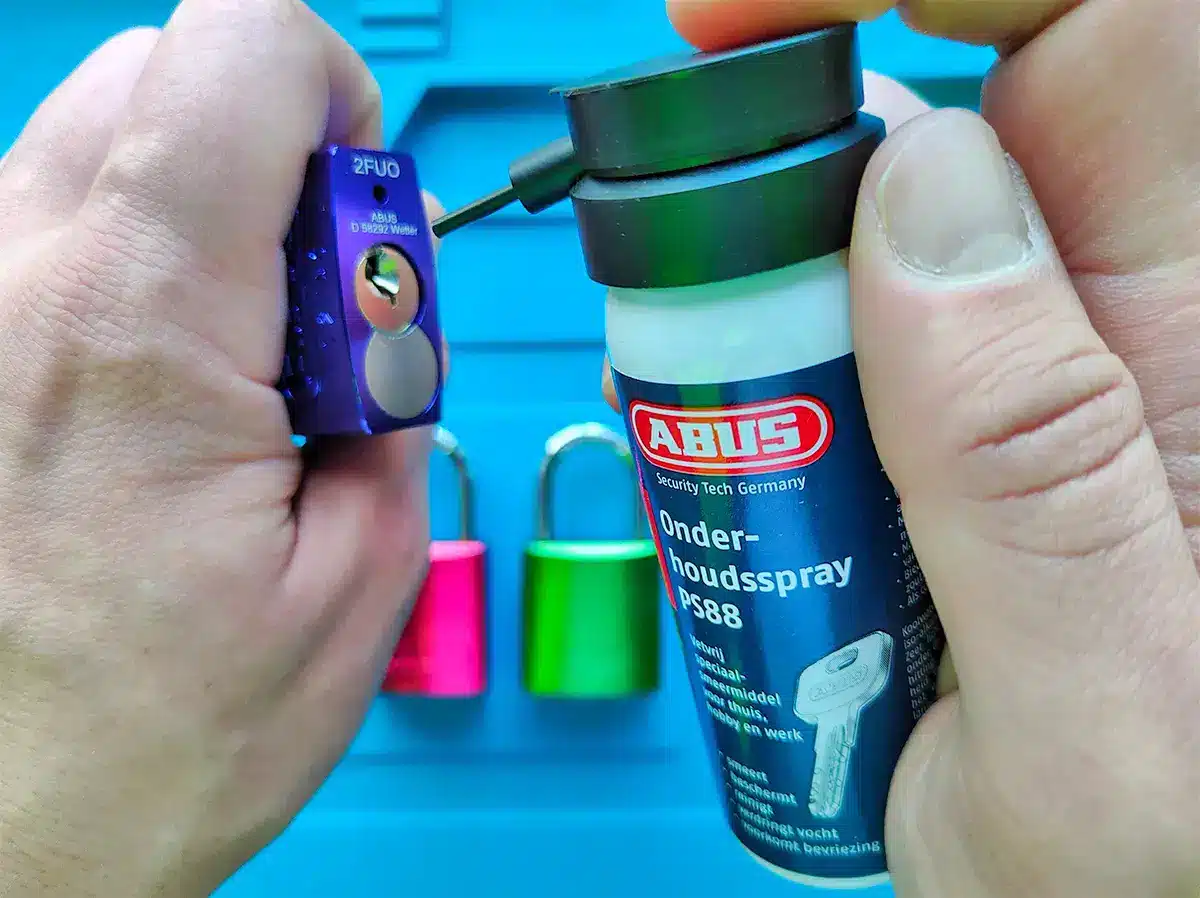
Clear feedback is very important if you want to improve in lockpicking. This is easier with a lock where all parts move smoothly. Lubricate your lock with suitable oil, such as Abus Lock Spray. Important for opening an old lock without a key, as these are often very stiff.
Advanced Techniques and Strategies in Lockpicking
Let’s dive into the ‘Guide to Manipulating Locks’ with some techniques. These techniques will help you open any lock.
Raking: Technique for Quick Unlocking with Ease and Luck
How do you open a lock without a key? A fun quick technique to discover this is with a transparent lock and Raking.
Raking is an English term that means raking. It is known as a lockpick technique where multiple pins are positioned correctly at the same time.
The technique can be effectively combined with Single Pin Picking (SPP). This is called hybrid picking.
The Worm Rake from Sparrows works well in smaller keyholes.
Single Pin Picking (SPP): For Precision Work
Single Pin Picking, often abbreviated as SPP, is the method where you set each pin individually. This requires more finesse and patience than raking. It offers more control and is more effective on more challenging locks. This is the technique we will use with the 72/40.
Using Different Picks
Develop your lockpicking skills by testing with different picks. Each pick has a different profile. Each profile can be effective, depending on the type of lock and the technique you use.
Required Tools for Lockpicking:
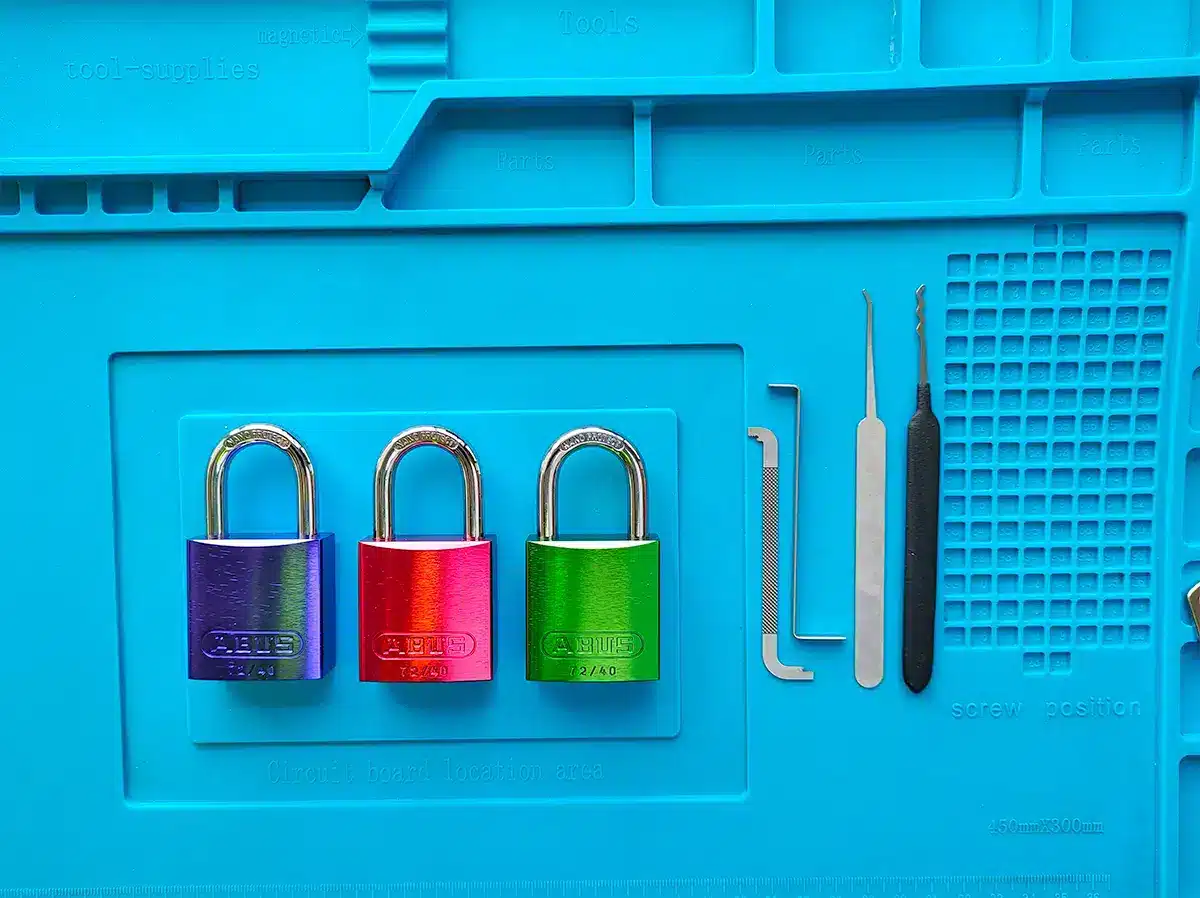
- Tension wrench
- Hook lockpick
- Practice lock
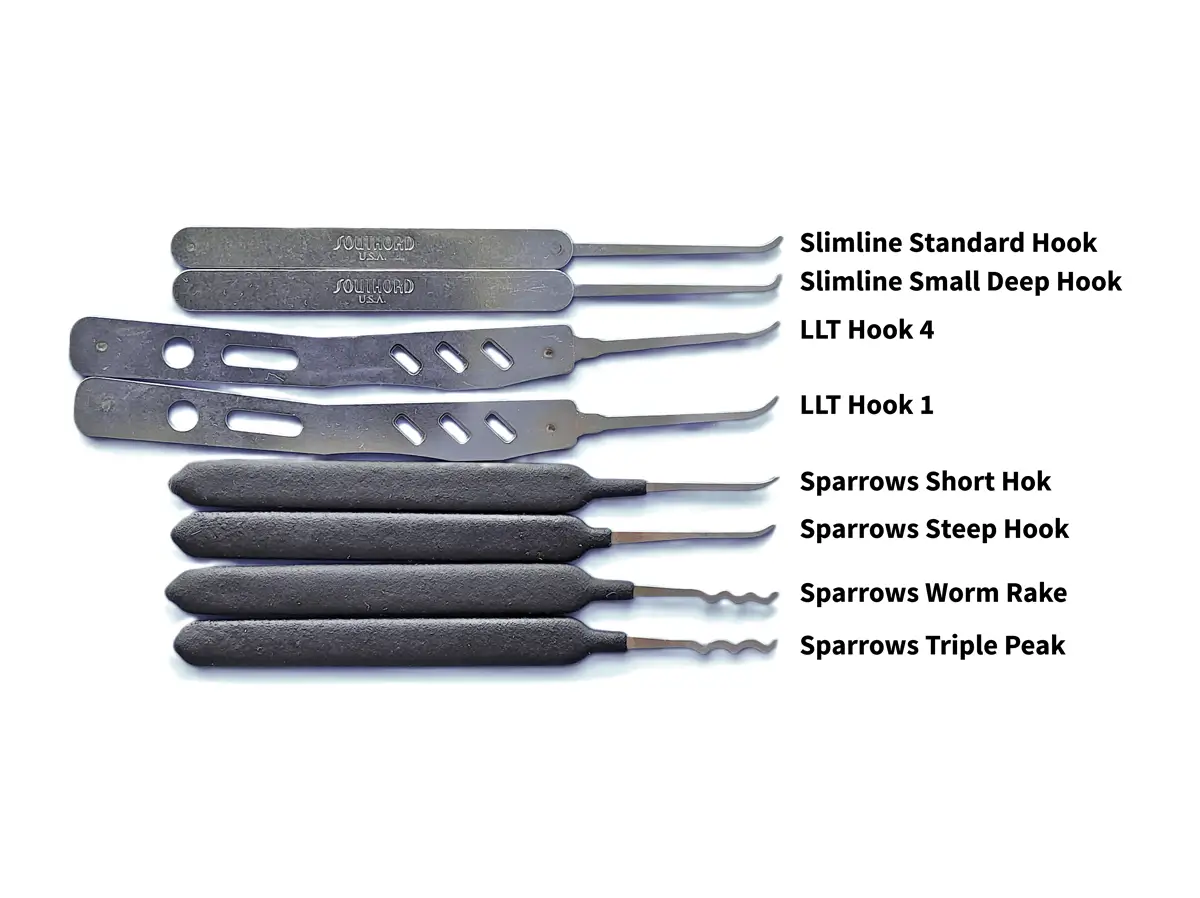
The Medium Hook: For opening the ABUS 72/40, a medium hook is recommended. An effective choice is the Slimline Standard Hook from SouthOrd.
A Deep Hook: for example, the Small Deep Hook from SouthOrd. For when you are dealing with a lock that has both high and low pins in succession.
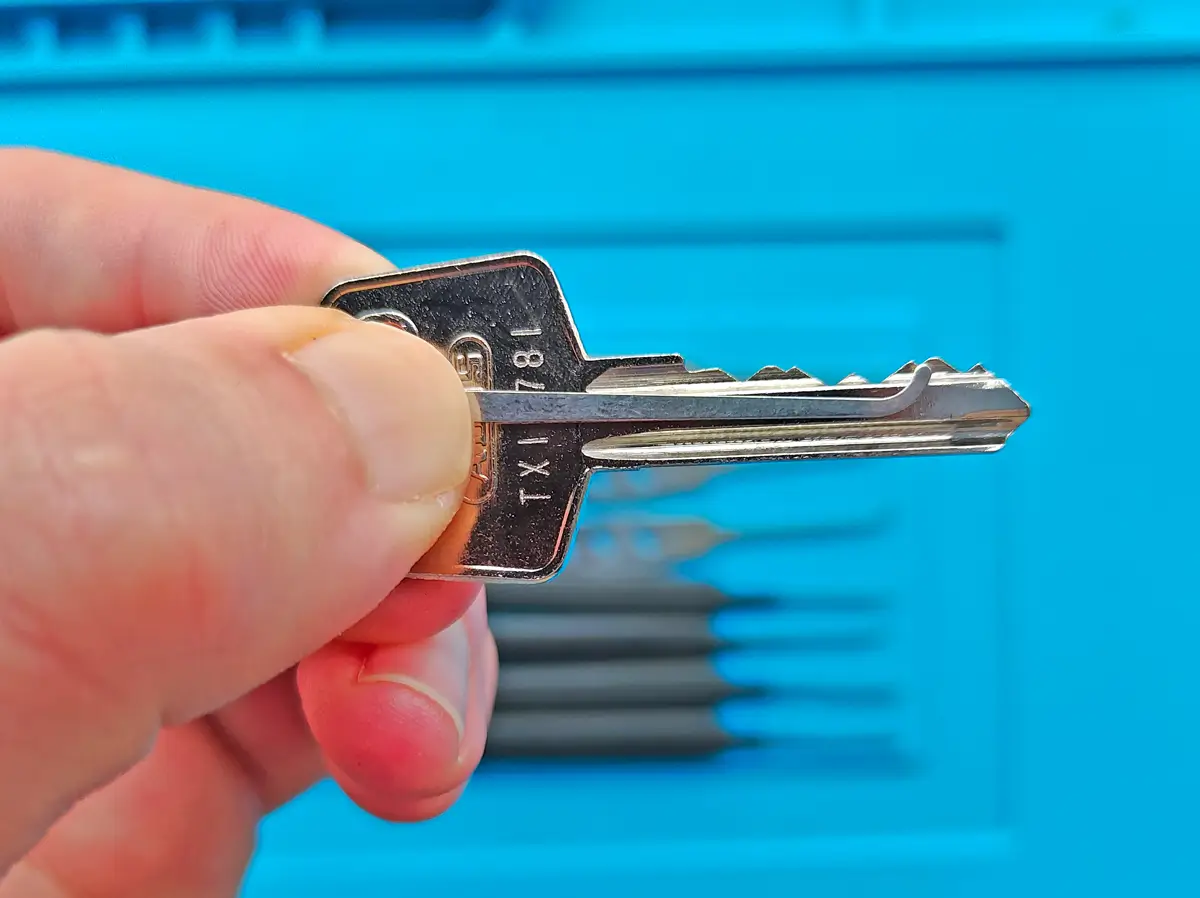
Choose Your Lockpick Based on the Key: The key tells you which lockpick you need. Find the highest and lowest pin, visible on the key. Check with your lockpick to ensure you don’t get an over-set.
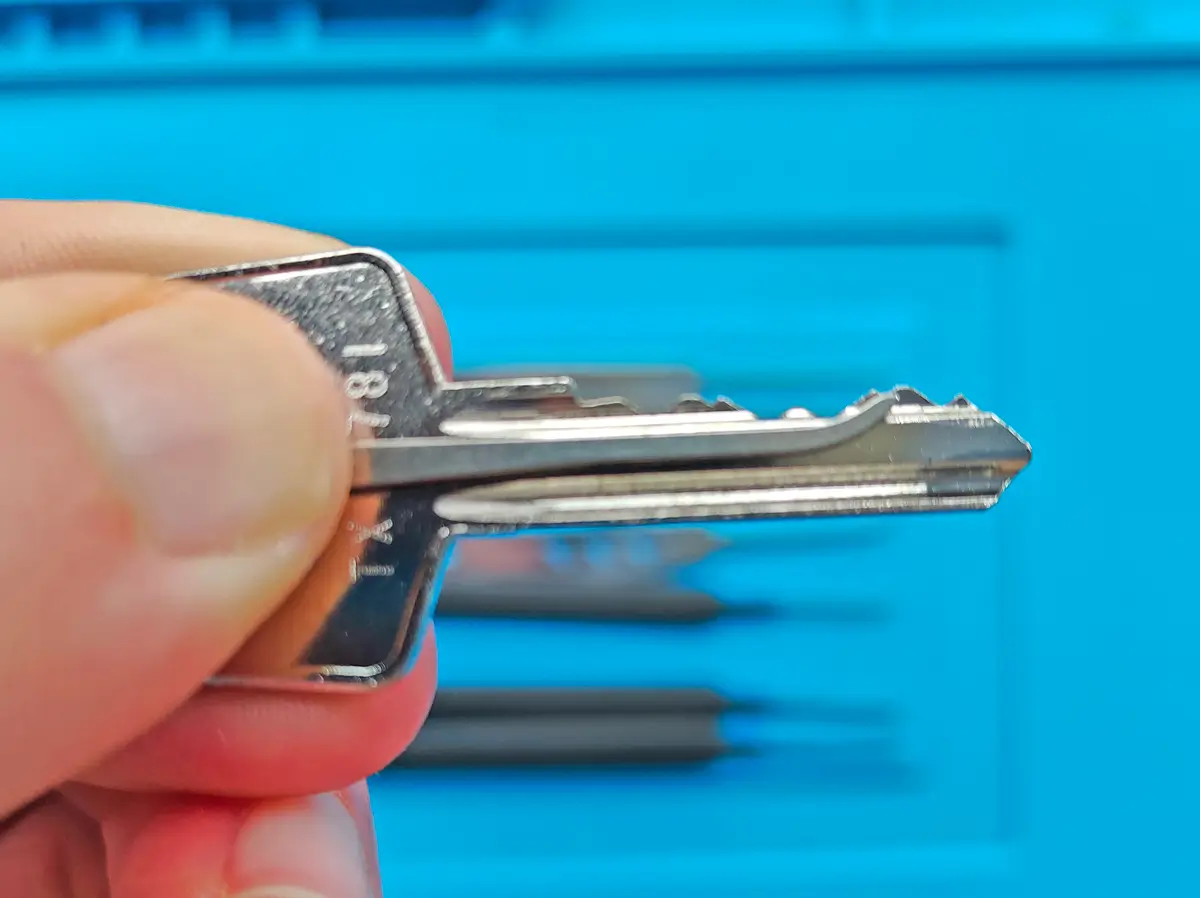
With a wider selection of hook picks, you can more easily reach the harder-to-reach pins. If a flat Hook Pick doesn’t work to open the lock, try a Deep Hook.
Using the Tension Wrench Properly
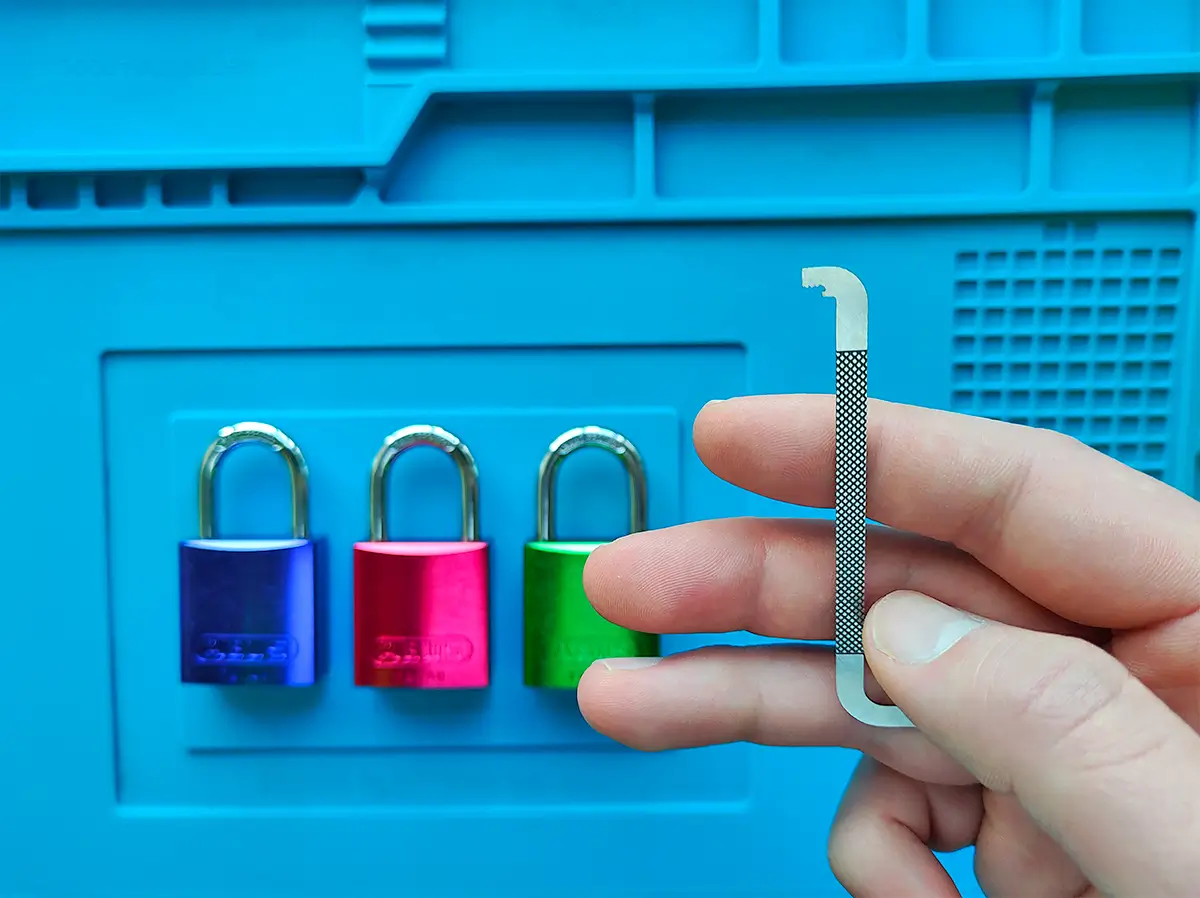
An essential part of learning lockpicking is the correct application of a tension wrench. Light tension is essential to overcome spool pins. For this padlock, I use a TOK tension wrench from the Flat Bar set from Sparrows.
Top Of Keyway (TOK) Tension Wrench for Lockpicking
Place the TOK tension wrench at the top of the keyhole. This gives you more access and control over the pins, essential for lockpicking. Better feedback and more space make TOK the top choice for lockpickers.
Advice on Common Mistakes and How to Avoid Them
A common mistake is applying too much force. This can damage the lock or tools. Lockpicking is about finesse, not strength.
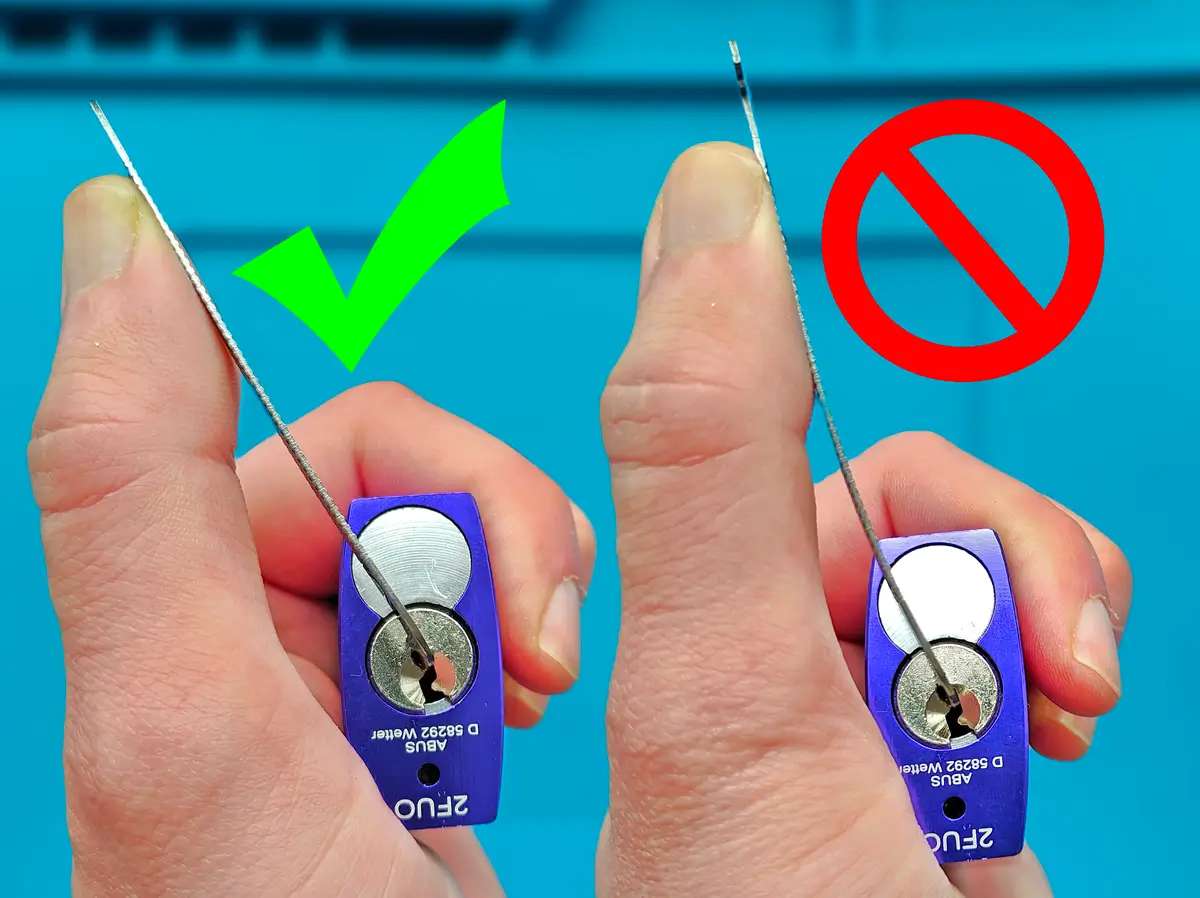
Gradual Tension and Feeling Feedback: Identify binding pins with moderate tension on your wrench. Then carefully move with the pick through the lock to feel the pins one by one. Binding pins will feel stiffer.
Listening for Clicks: This sound is an indication that you have placed the pin correctly.
Watch for False Sets and Counter Pressure: Spool pins can result in a false set. In this case, you will feel a clear rotation of the core. The pin is just not placed correctly yet. With light tension, you can place the spool pin over the false set.
The Marking Technique: A Lockpick Life Hack for Beginners
Learn directly how to work with locks like the ABUS 72/40. This technique involves marking your lockpick with a waterproof marker.
The Importance of Markings
To gain insight into opening locks without a key, you can mark the lock pick. This provides visual references on your lockpick. They show how deep the pick needs to go and which pin you are hitting.
Learn Lockpicking Faster with Progressive Pinning
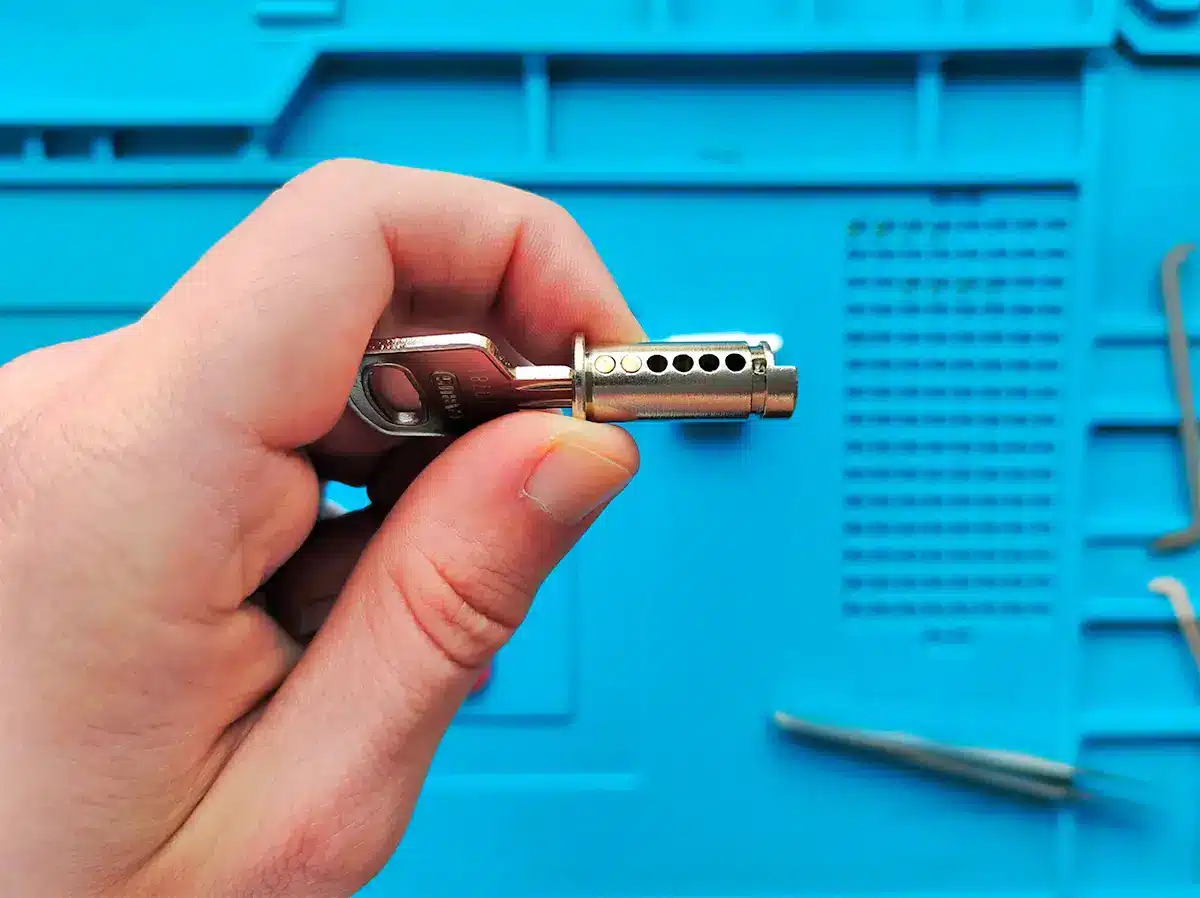
If you are not very familiar with lock picking yet, then progressive pinning is an essential technique. Gradually build your skills with an increasing number of pins in a lock. Read more about making your own progressive practice lock in this article.
Not in the mood to dissect your lock yourself? Then take a look at the Progressive Locks from Sparrows!
The Idea of Progressive Pinning
Progressive pinning means starting with a lock that contains only one or two pins. Add more pins as you are able to open the lock consistently with confidence.

More Lockpicking Blogs
Want to learn lockpicking? With the right lockpick set and our guides, you can open your first lock within just a few hours. Whether you choose a beginner lockpicking set or professional lockpick tools, our articles will teach you all the techniques step by step.
Replicating a TSA Master Key with a Photo
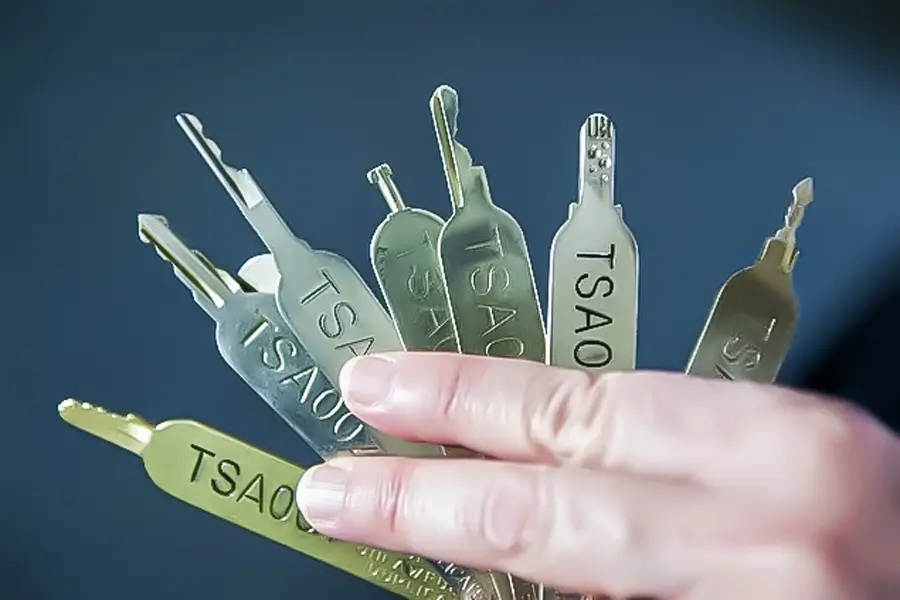
TSA locks have a secret master key that allows baggage inspectors to open suitcases. When a photo of all TSA keys appeared online, lockpickers could easily replicate them. This...

Lockpickers United (LPU) – Belt Ranking System & Community
Lockpickers United (LPU) is an international community for lockpickers with a unique Belt Ranking System. This guide explains what LPU is, how to join via Reddit or Discord, how...
Opening a €500 Lock with a Tie Wrap
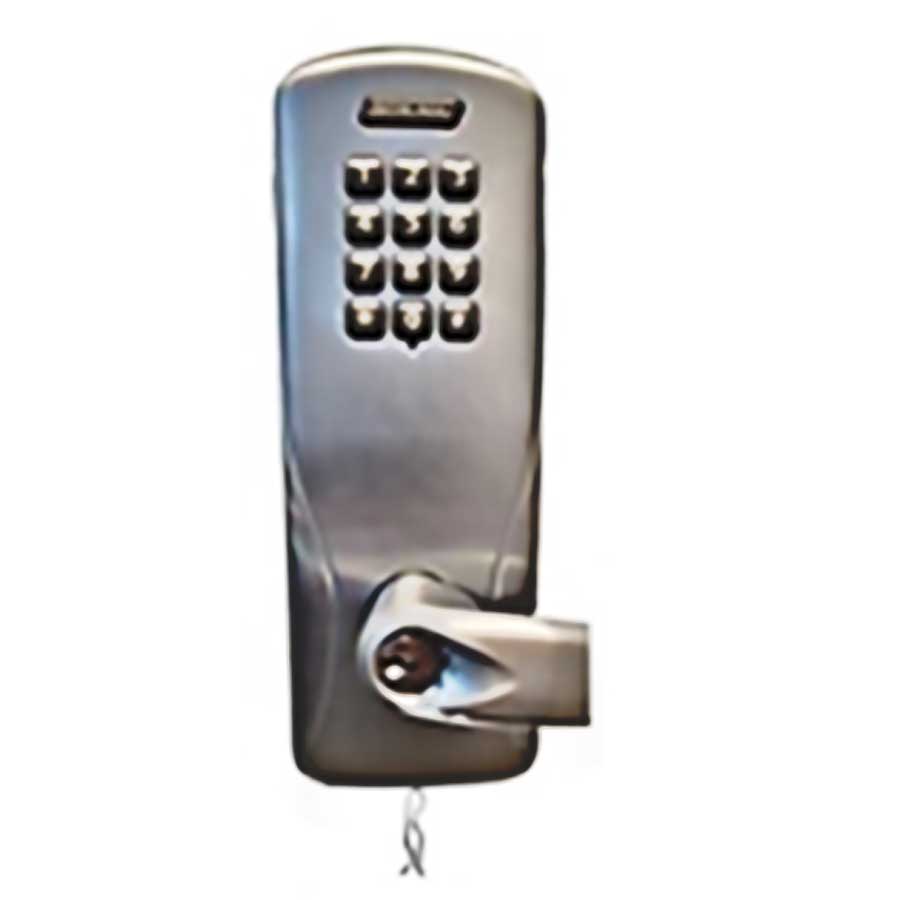
A simple tie wrap proves enough to open the Schlage CO-100, a lock costing around €500, in seconds. Discover how this surprising bypass technique works, how manufacturer Allegion responded...
Setting Up a Practice Lock Yourself
Learn step by step how to create your own lockpicking practice lock from an ABUS 72/40 padlock. From disassembling the cylinder to progressively repinning: this comprehensive guide helps you...