
-
Je winkelmandje is leeg
Ga naar de shop om producten in je winkelwagen te plaatsen
Replicating a TSA Master Key with a Photo
TSA locks have a secret master key that allows baggage inspectors to open suitcases. When a photo of all TSA keys appeared online, lockpickers could easily replicate them. This article shows how to copy keys based on photos and why caution is advised.
Author: Ties
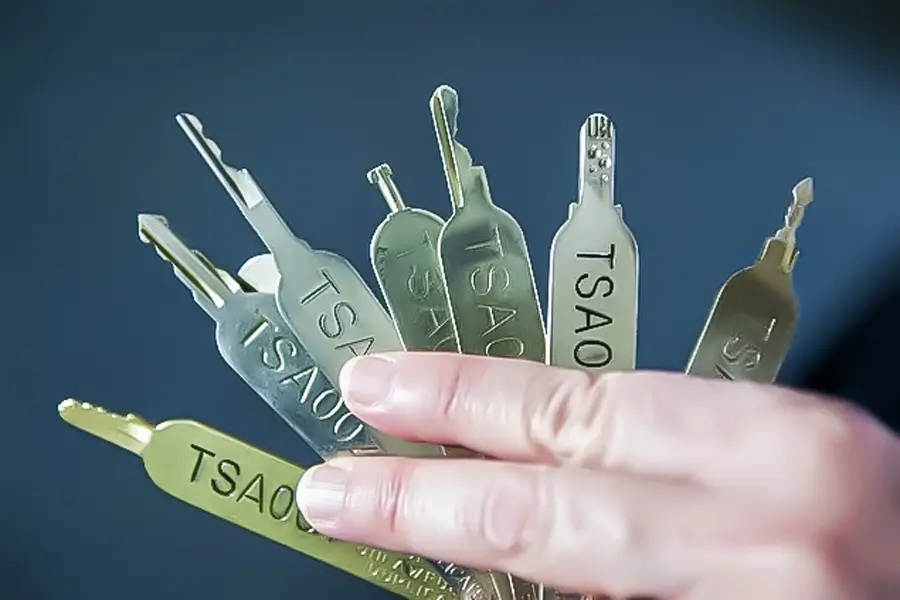
It has been clear for some time that baggage screening by the TSA at airports has leaked data. An article described how baggage is processed through detection systems and checks, and how inspectors have access to TSA-approved locks with master keys. In this article, a crucial mistake was made by publishing a photo of all TSA master keys.
TSA locks have a small backdoor that inspectors at the TSA can use to check passengers’ luggage. Only a small master key is needed to open the locks.
By sharing the photo of the master keys, security risks arose, as a few savvy lockpickers could easily copy the locks.
Copy a key without ever touching your key
As our technology advances rapidly, cloning physical keys just by seeing a photo has become a reality. A sharp close-up or even a distant image can suffice to make an exact copy, without the owner noticing anything.
Create a TSA master key
There are many ways to do this. You can buy a blank key and cut it to size with a pair of pliers or use files. You might even be able to open some locks with a drill and some aluminum foil.
On Reddit, some have gone much further. Many high-res photos are being shared of the keys. With these, you can assemble your own set. Check them here.
Still too difficult? Feel free to check out Github. You can now also download some CAD files and print your own set using a 3D printer.
Are all our locks vulnerable due to a simple photo?
The idea that your home can be opened by a stranger who has merely taken a photo of your key sounds like science fiction, but research proves otherwise. Here you can read more about how digital imaging techniques can accurately capture key patterns from a distance.
Most keys are quite easy to read based on photos, which poses a fundamental security problem. Contrary to what many think, others do not even need to be physically close to your key to gain access to your locks.
This is how you copy a key based on a photo
Deviant Ollam, a well-known figure in the lockpick world, demonstrates how simple it can be to copy a key based on a photo. In this video, he shows this with a photo that the American artist T-Pain shared on Instagram.
Ollam used simple software to analyze the exact patterns on the key. With a bit of image editing and precise measurements, he was able to reproduce the key in detail.
By using photos, a trained lockpicker can quickly capture the depth and pattern of each cut on a key. For T-Pain, this posed no real risks, as he planned to replace his locks. But for others, sharing a key online can create unexpected security issues. This is how you learn why it is important to be cautious when sharing images of keys online!

More Lockpicking Blogs
Want to learn lockpicking? With the right lockpick set and our guides, you can open your first lock within just a few hours. Whether you choose a beginner lockpicking set or professional lockpick tools, our articles will teach you all the techniques step by step.
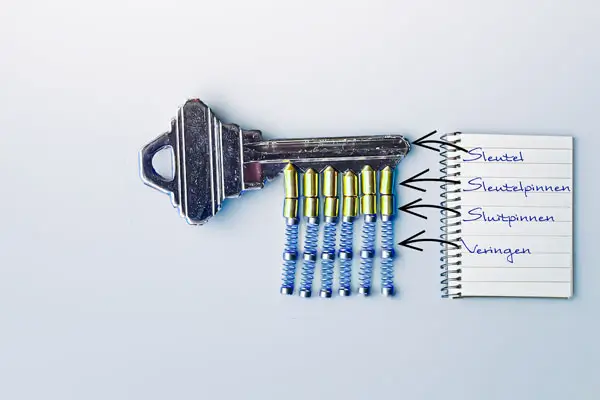
How Does Lockpicking Work? English Lockpick Beginner Guide
Curious about how lockpicking works? This beginner's guide explains the basics of pin cylinder locks, how pins and the cylinder work together, and what techniques lockpickers use to open...
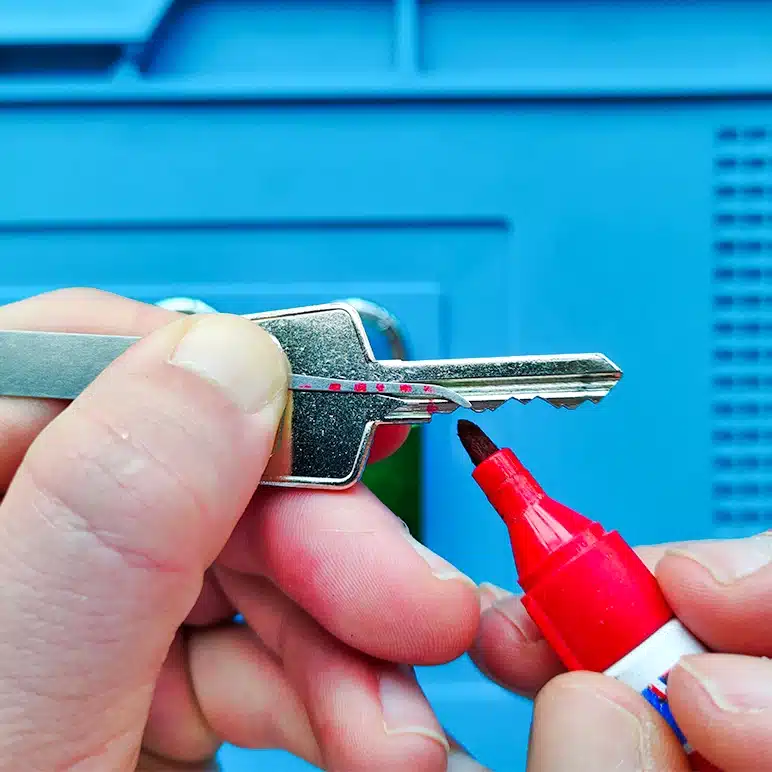
My First Abus Lock Lockpicking
Discover how to lockpick the challenging ABUS 72/40 with step-by-step tips on raking, single pin picking, and using the right tension wrench. Also learn about the marking technique and...
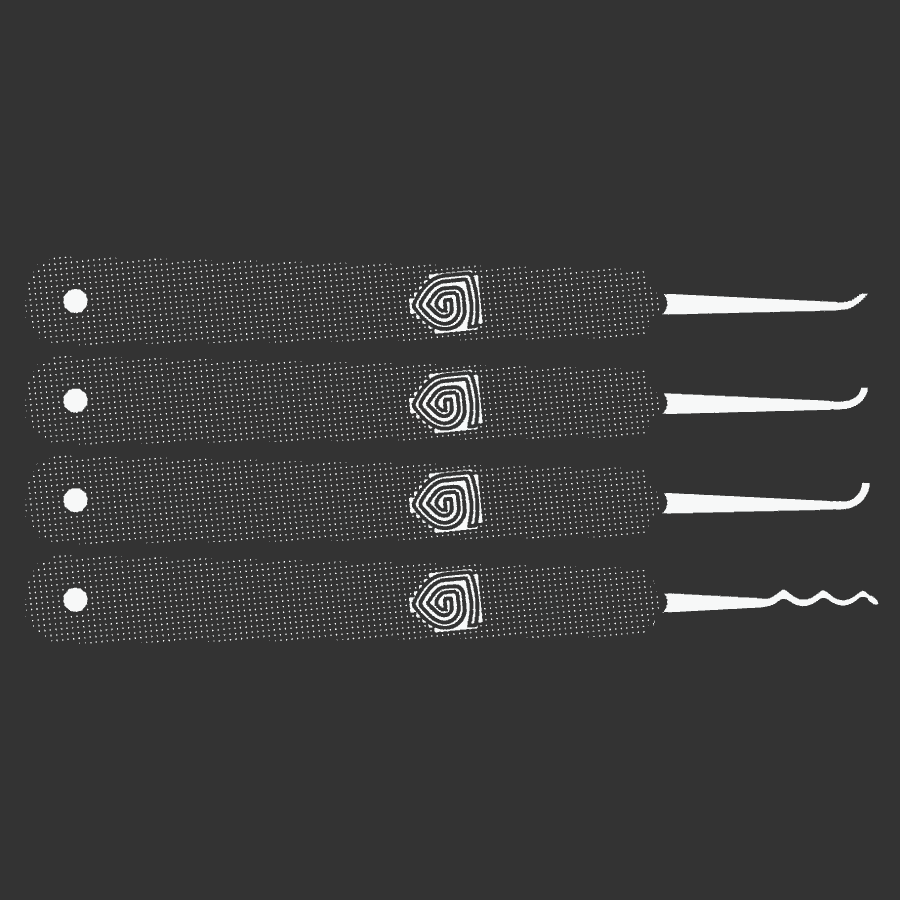
GrimGO Prototype: FEA analysis
A technical research report on the GrimGO prototype phase, in which an FEA analysis (Finite Element Analysis) was conducted on more than 35 lockpick designs. Discover what insights this...
Advice on Buying Your First Lockpick Set for Beginners
Buying your first lockpick set can be overwhelming with all the brands and options available. In this article, I share my personal advice on which set is best for...