
-
Je winkelmandje is leeg
Ga naar de shop om producten in je winkelwagen te plaatsen
How Do I Open a Mailbox? Dutch Mailbox Locks
Mailbox blocked or lost key? Dutch mailboxes primarily use wafer locks and pin tumbler locks. In this article, we explain how these locks work, what the differences in security levels are, and how to open a mailbox lock without a key.
Author: Ties
Which Locks Are Found on Dutch Mailboxes?
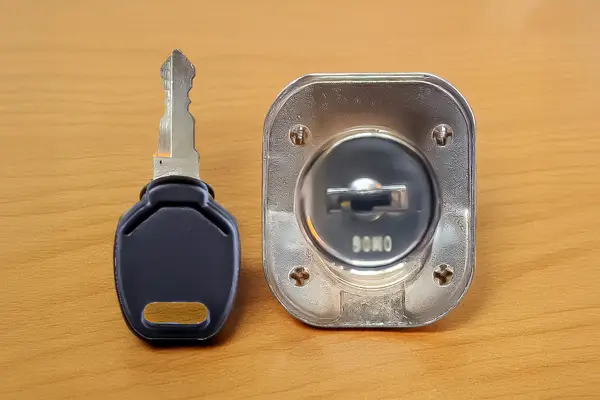
Dutch mailboxes primarily use two types of locks: wafer locks and pin tumbler locks. Wafer locks dominate 80% of Dutch mailboxes due to cost-effectiveness, but offer significantly lower security than pin tumbler alternatives.
💡 Important to know: The type of lock on your mailbox determines which lockpicking techniques and tools you need. Wafer locks are often easier to open than pin tumbler locks.
Technical Specifications of Dutch Mailbox Locks
RUKO Cylinder Locks – Market Leader in the Netherlands
RUKO (part of the ASSA ABLOY Group) dominates the Dutch market through integration with major mailbox manufacturers such as Allux. The RUKO 1607 Series 6-pin cylinder is standard in Allux mailboxes and offers:
- 6-pin system for enhanced security
- Hardened steel construction against drilling
- Anti-pick pins in premium models
- Compatibility with Dutch standard NEN 5089
ABUS Security Systems
ABUS provides alternative solutions with their 1-20 scale security system, where mailbox applications typically use level 4-6 pin cylinders. These offer:
- Paracentric key profile against unauthorized copying
- Corrosion-resistant materials for outdoor use
- Optional keyed alike systems for multiple mailboxes
| Feature | Wafer Locks | Pin Tumbler Locks |
|---|---|---|
| Number of security elements | 4-5 wafers | 5-6 pins |
| Rake sensitivity | 80-90% success rate | 40-60% success rate |
| Opening time (professional) | 30 seconds | 1-5 minutes |
| Cost of lock | €15-25 | €25-45 |
Wafer Locks: The Most Common Type of Mailbox Lock
Wafer locks, also known as plate cylinder locks, use flat, rectangular metal plates instead of cylindrical pins. This construction makes them cheaper to produce but also more vulnerable to lockpicking.
How does a wafer lock work?
As Schuyler Towne explains in the video above, wafer locks operate with spring-loaded wafers that protrude from both sides of the plug. The correct key pushes all wafers exactly to the shear line, allowing the lock to turn. Note: no sound – there is nothing wrong with your audio.
Vulnerabilities of wafer locks
- Extreme sensitivity to rake attacks: 80-90% success rate within 30 seconds
- Wide keyway: Allows easy tool access
- Single-piece construction: Easier to manipulate than multi-component pins
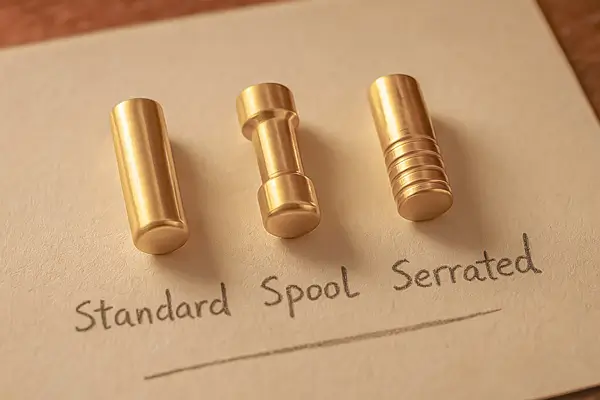
- No security pins: No spool, serrated, or mushroom pins that create false sets
Wafer Lock Picks for Mailboxes
To open wafer locks, we have specific tools that are perfectly suited:
Pin Tumbler Locks: The Safer Option for Mailboxes
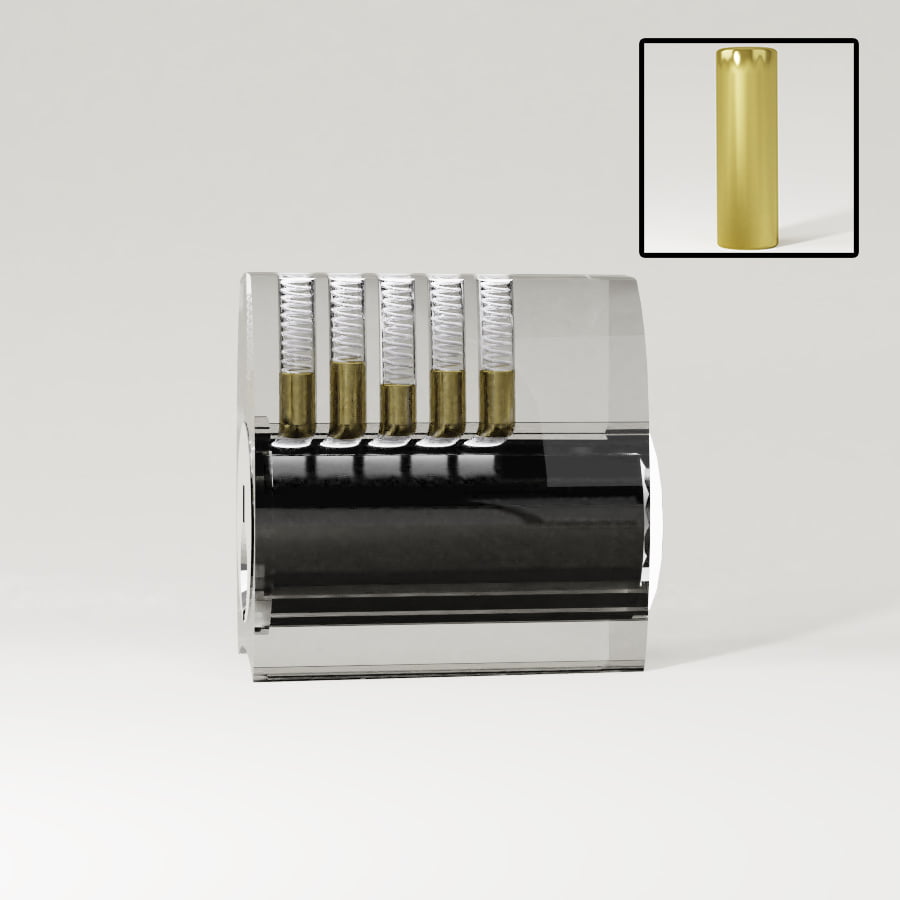
Pin tumbler locks use a series of two-part pins (driver pins and key pins) held in place by springs. These locks offer significantly better security than wafer locks.
Advantages of pin tumbler locks
- Security pins: Spool, serrated, and mushroom pins create false sets
- Higher pick resistance: Require advanced single pin picking techniques
- Better construction: More robust materials and precise tolerances
- Anti-drill features: Hardened steel pins protect against drilling
Want to learn how pin tumbler locks work? Check out our comprehensive guide on lockpicking or try one of our transparent practice locks.
Effective Lockpicking Techniques for Mailbox Locks
As an expert with years of experience, I share here the most effective techniques for opening mailbox locks. These techniques vary depending on the type of lock you encounter.
1. Raking Technique – Ideal for Wafer Locks
Step-by-step raking method:
- Place a tension wrench in the bottom of the keyway
- Apply light tension in the turning direction
- Use a snake rake or city rake
- Move the rake quickly in and out while maintaining tension
- Within 30 seconds, the lock should open
⏱️ Average time: 30 seconds for wafer locks
Video Tutorial: Opening Wafer Locks
LockNoob demonstrates various techniques for wafer locks, including the use of ball rakes, snake rakes, and jiggler keys.
2. Single Pin Picking (SPP) – For Pin Tumbler Locks
The SPP technique expertly explained:
- Place tension tool (TOK or BOK method)
- Use a hook pick to feel individual pins
- Find the binding pin (this one feels the stiffest)
- Push the pin up until you feel a small click
- Repeat for all pins until the lock opens
⏱️ Average time: 2-10 minutes for beginners
3. Jiggler Keys – The Quick Option
Jiggler keys are pre-formed tools that work as a kind of universal key for certain lock types. They are particularly effective on wafer locks with a 90%+ success rate.
Recommended for mailbox locks:
The Jiggler Keys Set (€29.95) includes 10 different profiles that fit most Dutch mailbox locks.
4. Impressioning – For Permanent Access
Impressioning is a technique where you create a working key by analyzing markings on a blank key. This requires:
- Brass key blanks
- Swiss #4 round file
- Good lighting and possibly a magnifying glass
- Patience and precision
⚠️ Note: Impressioning can leave traces on the lock.
The Golden Rule of Lockpicking
In Europe, you may only open locks for which you have permission from the owner. Possession of lockpick tools is legal, but be aware: there is always a risk of damage when opening, which may require the lock to be replaced.
Common Problems with Mailbox Locks and Solutions
1. Lost Mailbox Key
This is the most common problem. You have several options:
DIY Solution with Lockpicking:
- For wafer locks: Use a City Rake (€3.49) with a tension wrench (€3.95)
- For pin tumbler locks: Try the Lockpicking Beginner set (€17.99) with a complete set of tools
- Quick solution: Jiggler Keys (€29.95) work on 90% of wafer locks
2. Frozen Mailbox Lock in Winter
Prevention and solutions:
- Preventive: Treat the lock before winter with WD-40 or graphite powder
- Acute solution: Warm the key with a lighter (carefully!)
- Alternative: Use a hairdryer on the lock
- Product tip: Our ABUS Maintenance Spray prevents freezing
3. Rusty or Stuck Lock
A rusty lock can often be saved without replacement:
- Spray penetrating oil (WD-40) into the lock
- Let it sit for 24 hours
- Gently try to move the key
- If this doesn’t work, consider lockpicking with extra lubrication
4. Broken Key in the Lock
Extraction methods:
- Visible piece: Use pliers to pull it out
- Deep in the lock: Use a key extractor set
- Professional tip: Lubricate first with oil for easier extraction
5. Mailbox Too Full – Lock Not Working
If your mailbox is overflowing, the pressure can block the lock:
- Try pushing the door slightly while turning the key
- Use a flipper card to create space
- As a last resort: lockpick the lock while applying pressure
Recommended Lockpick Sets for Mailbox Locks
Based on my experience and the specific challenges of Dutch mailbox locks, here are my top recommendations:
For Beginners: Lockpicking Beginner Set
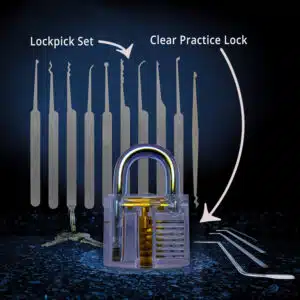
Price: €17.99
Includes: 15 lockpicks, tension tools, practice lock
Perfect for: First introduction to lockpicking
For Wafer Locks: Sparrows Wafer Picks
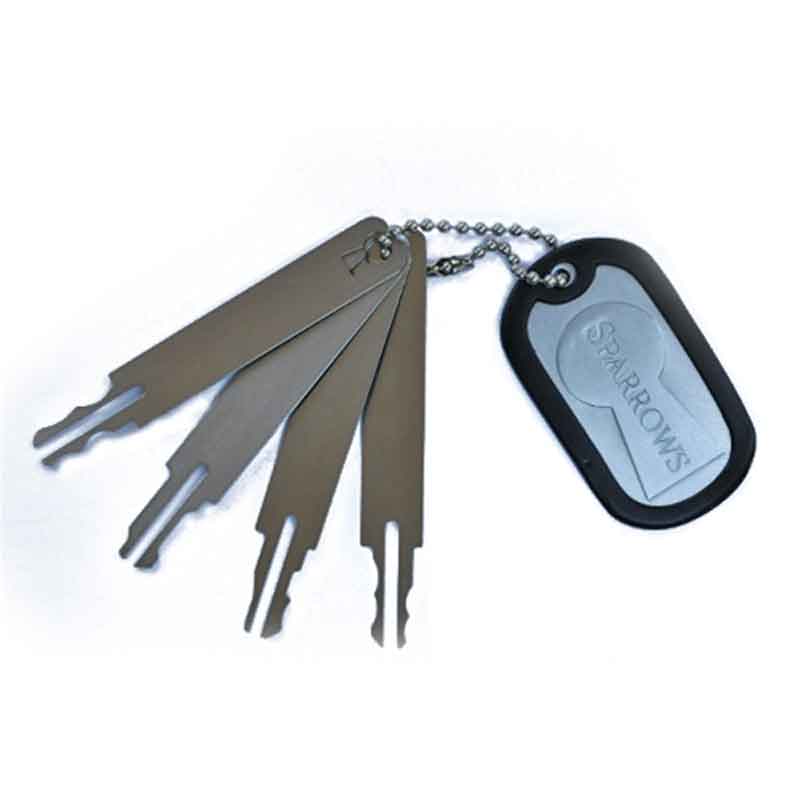
Price: €15.50
Specialty: Designed for disc cylinder locks
Success rate: 90% on standard wafer locks
Professional Choice: Multipick Elite Beginner Lockpick Set
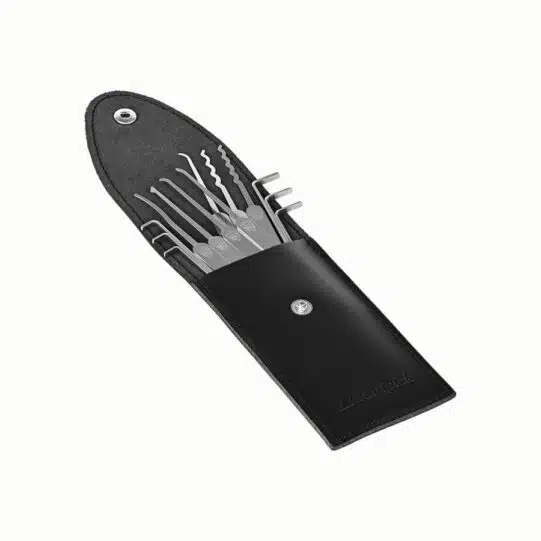
Price: €75,-
Quality: German precision engineering
For: Serious hobbyists and professionals
Essential Tools for Mailbox Locks
| Product | Type of Lock | Price | Level |
|---|---|---|---|
| C Rake | Wafer locks | €3.49 | Beginner |
| Tension Wrench Set | All types | €12.50 | Essential |
| Hook Pick Set | Pin tumbler | €19.95 | Advanced |
| Pin Tumbler Practice Lock | Training | €49.95 | All levels |
Opening Your Mailbox
Opening your mailbox without a key is often easier than you think. With the right knowledge and tools, you can:
- Open wafer locks within 30 seconds using basic raking techniques
- Tackle pin tumbler locks with single pin picking
- Create permanent access through impressioning
- Save costs on locksmith services (€95-150)
Start Lockpicking Today
Whether you are a locksmith or a consumer with a mailbox lock problem, we have the right tools and knowledge you need.
Want to Learn More about Lockpicking?
Deepen your knowledge with these related articles:
Frequently Asked Questions about Opening Mailbox Locks
How do I open my mailbox without a key?
You can open your mailbox without a key using lockpicking techniques. For wafer locks (80% of Dutch mailboxes), use a rake and tension wrench. They often open within 30 seconds. For pin tumbler locks, single pin picking is required, which takes 2-10 minutes. Alternatively: use jiggler keys with a 90% success rate on wafer locks.
What does it cost to have a mailbox lock opened?
A professional locksmith charges €95-125 during office hours, €125-150 in the evening, and €170-200 on weekends/nights. A complete lockpick set costs €25-50 and is reusable. Replacing a mailbox lock costs €105-115 plus €20 extra for wooden mailboxes.
Is it legal to open my own mailbox with lockpicks?
Yes, it is completely legal to open your own mailbox with lockpick tools. In the Netherlands, possession of lockpicks is legal as long as there is no criminal intent. The golden rule: only open locks for which you have permission from the owner. In rental properties, the mailbox may belong to the landlord, so check first.
What lockpick set do I need for a mailbox lock?
For wafer locks (most common): a city rake or snake rake plus tension wrench (total €7-15). For pin tumbler locks: a beginner lockpick set with hook picks and tension tools (€25-50). Jiggler keys (€30) work on 90% of wafer locks without experience. For professionals: Multipick ELITE set (€100) for all lock types.
How long does it take to lockpick a mailbox lock?
Wafer locks: 30 seconds with raking technique. Pin tumbler locks: 30 seconds to 2 minutes for professionals, 2-10 minutes for beginners. Jiggler keys: 10-30 seconds without experience. With practice, you will become faster. Most people can open their first wafer lock after 1 hour of practice.
What is the difference between a wafer lock and a pin tumbler lock?
Wafer locks use 4-5 flat metal plates and are cheaper but less secure (80-90% rake success rate). Pin tumbler locks use 5-6 cylindrical pins with springs and offer better security (40-60% rake success rate). Wafer locks cost €15-25, pin tumbler locks €25-45. RUKO and ABUS make both types for Dutch mailboxes.
My mailbox key is broken in the lock, what now?
For visible pieces: use pliers to pull it out. For deeply stuck pieces: use a key extractor set (€20-50) or spiral extractors. First, lubricate with WD-40 for easier extraction. If this doesn’t work: drill out the lock and replace it (€25-45 for a new lock).
Can I replace my mailbox lock myself?
Yes, replacing a mailbox lock is easy: remove the old lock (2 screws), install the new lock, secure the screws. Buy a compatible lock (RUKO 6-pins €35 or wafer lock €20). In rental properties: ask for the landlord’s permission first. Total time: 10-15 minutes with a screwdriver.
What do I do if my mailbox lock is frozen?
Warm the key with a lighter (carefully) or use a hairdryer on the lock. Spray lock de-icer or WD-40 into the lock. Prevention: treat the lock before winter with graphite powder or silicone spray. Never use hot water, as this will freeze again and cause more damage.
Do paperclips work to open a mailbox?
Paperclips can work but are not ideal. You need 2 paperclips: one bent as a tension tool, one as a pick. Success rate: 20-40% on wafer locks, <10% on pin tumbler locks. Professional tools (€7-15) are 10x more effective and do not damage the lock. In emergencies: first try jiggler keys or raking techniques.
How do I know if my mailbox has a wafer lock or pin tumbler?
Look at the key: wafer lock keys are flat with notches on both sides. Pin tumbler keys have notches on one side with a ridged back. Check the brand: cheap mailboxes usually use wafer locks, more expensive models (RUKO 6-pins, ABUS) have pin tumbler locks. When in doubt: wafer locks are 80% of Dutch mailboxes.
Does lockpicking damage my mailbox lock?
When used correctly, lockpicks do not damage the lock. Use sufficient lubrication (WD-40/graphite), apply minimal tension, and never force. Microscopic traces always remain (forensically detectable) but functionally the lock remains intact. Rough use can damage the lock. So practice first on a practice lock.
What are jiggler keys and do they work on mailbox locks?
Jiggler keys are pre-formed ‘try-out’ keys that work as universal keys. They have a 90%+ success rate on wafer locks, 30-50% on pin tumbler locks. Use: insert into the lock, move up and down while turning. A set of 10 profiles costs €30 and works on most Dutch mailboxes without lockpick experience.
Can the locksmith open my mailbox without damage?
NSSG-certified locksmiths open 95% of mailbox locks without damage within 1-2 minutes. They use professional picks, decoders, or impressioning. Costs: €95-125 plus travel costs. Response time: 20-30 minutes. In cases of extremely rusted/damaged locks, drilling may sometimes be necessary (€50 extra for replacement).
My mailbox is too full and won’t open, what now?
Press the door while turning the key to relieve pressure. Use a flipper card or bank card to create space between the door and frame. Try to lockpick the lock while applying pressure. As a last resort: remove hinge pins if they are accessible. Prevention: empty the mailbox regularly, especially during holidays.
Need help? Our team is ready to advise you on the best tools for your specific situation. Contact us for personalized advice.

More Lockpicking Blogs
Want to learn lockpicking? With the right lockpick set and our guides, you can open your first lock within just a few hours. Whether you choose a beginner lockpicking set or professional lockpick tools, our articles will teach you all the techniques step by step.
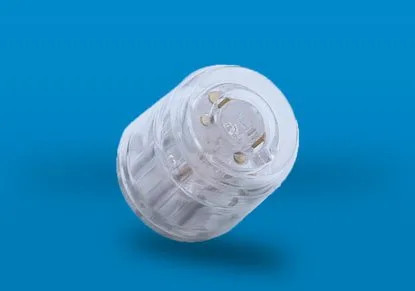
Open radial lock with lockpicks
Radial locks, or tubular locks, may look complicated but are actually very easy to lockpick with the right tubular lockpick. Discover how this round lock is constructed, what tools...
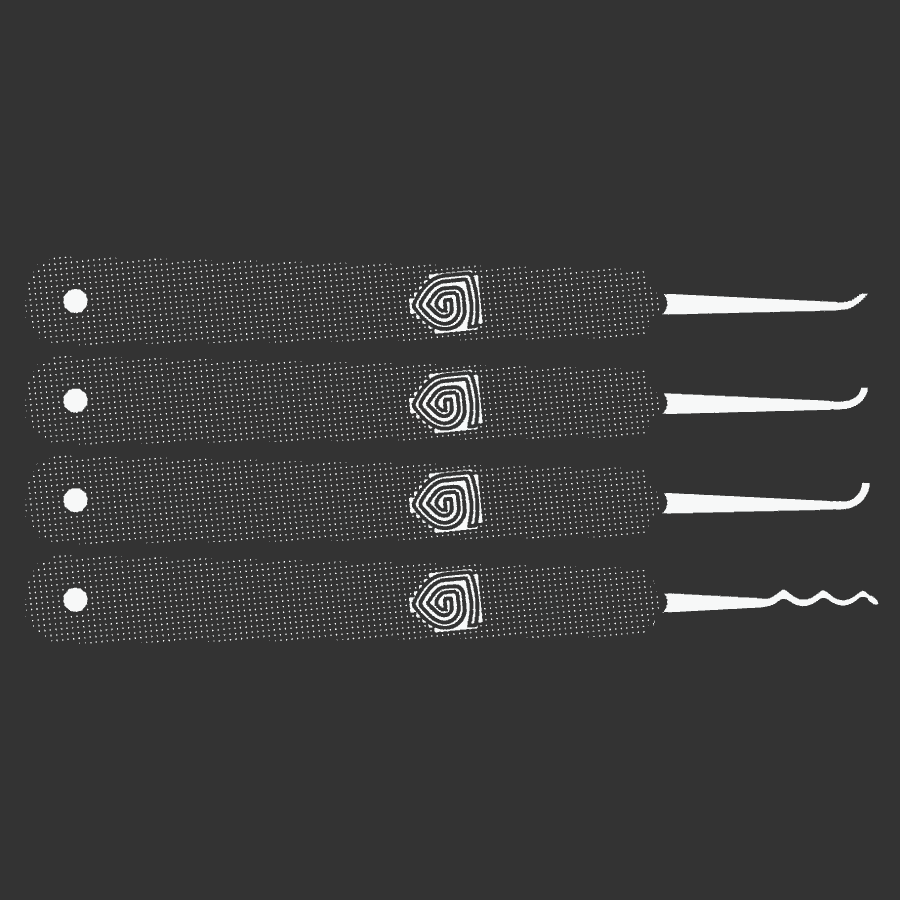
GrimGO Prototype: FEA analysis
A technical research report on the GrimGO prototype phase, in which an FEA analysis (Finite Element Analysis) was conducted on more than 35 lockpick designs. Discover what insights this...
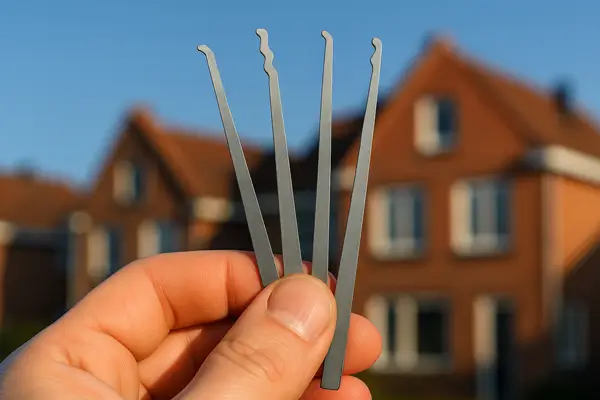
Making Your Own Lockpicks: DIY Guide & All Alternatives (2025)
Making lockpicks from wiper blades or feeler gauges is a fun weekend project to learn more about lock mechanisms. In this guide, I compare which DIY materials actually work,...
Security Pins in Lockpicking
Security pins such as spool, serrated, and mushroom pins make lockpicking significantly more difficult. In this article, you will learn how to recognize these security pins, what a false...