
-
Je winkelmandje is leeg
Ga naar de shop om producten in je winkelwagen te plaatsen
Making Your Own Lockpicks: DIY Guide & All Alternatives (2025)
Making lockpicks from wiper blades or feeler gauges is a fun weekend project to learn more about lock mechanisms. In this guide, I compare which DIY materials actually work, provide a step-by-step guide for the wiper blade method, and honestly explain why most hobbyists switch to a professional lockpick set within a few months.
Author: Ties
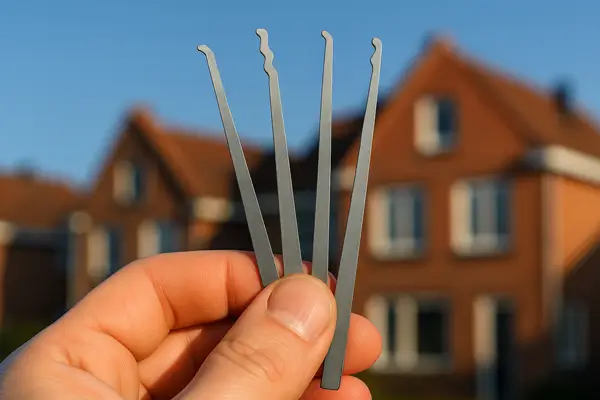
Contents of this manual
Creating your own lockpick set is a fascinating project that teaches you more about lock technology and the mechanics behind security. At Lockpickings, we have helped countless hobbyists over the years – some start with DIY tools, while others go straight for professional sets. In this comprehensive guide, we share all the knowledge we have gained over 13+ years, including the latest insights from the international lockpicking community.
Legal disclaimer: Lockpicking is legal in the Netherlands as a hobby, provided you only open locks that you own or for which you have explicit permission. This guide is purely educational. At Lockpickings, we support the ethical guidelines of TOOOL Netherlands and the international locksport community.
Which Materials Really Work For DIY Lockpicks?
After extensive research within the lockpicking community, we can create a clear ranking of DIY materials. Not all popular suggestions on the internet work equally well!
Top 3 Best DIY Materials (Proven Effective)
1. Feeler Gauges – 55-75% success rate. Cost: €1 per pick. Thickness: 0.015-0.035 inch (ideal for lockpicking). Advantage: Professional steel quality, precise thickness control. Disadvantage: Requires more tools for processing.
2. Street Sweeper Brushes – 50-65% success rate. Cost: Free (found along the street). Material: High-quality spring steel. Advantage: Legendary material (original Bogota rakes!). Disadvantage: Difficult to find, requires a lot of processing.
3. Wiper Inserts – 45-60% success rate. Cost: €3-5 per set. Material: Spring steel. Advantage: Readily available, easy to process. Disadvantage: Quality varies greatly by brand.
Materials that DO NOT work (despite online claims)
Paperclips & Hairpins: Only 20-40% success rate. The soft metal bends permanently after a few attempts and provides no good feedback.
Complete Step-by-Step Guide: Wiper Method
This method was developed by the lockpicking community and refined over years of experimentation.
Total time:
2-3 hours
Requirements
- Wipers with metal inserts (note: no plastic!)
- Wire cutters
- Vise or locking pliers
- Metal files (fine to coarse)
- Sandpaper (220, 400, 600 grit)
- Safety glasses, work gloves, water for cooling
- Dismantling wipers: Carefully pull the end of the wiper out. Older cars often have better (thicker) metal strips!
- Making a tension wrench (5 minutes): Clamp 5mm of the strip in a vise. Bend at a 90-degree angle. Cut to 5cm length. This tool determines 70% of your success.
- Shaping a hook pick (30 minutes): File a 45-degree angle at the end. Flip over and file the other side for a triangular tip. Cool regularly with water to maintain hardness!
- Polishing (45 minutes – crucial!): Start with 220 grit, work up to 600. This makes the difference between a pick that works and one that jams.
U&I DIY demonstrates various DIY methods and tests them with lockpicking.
Homemade vs Professional: A Fair Comparison
After 13 years of helping customers, we can make a fair comparison between DIY and professional tools. Many beginners start with homemade picks but switch to professional sets within 3-6 months.
| Aspect | DIY Lockpicks | Professional Tools |
|---|---|---|
| Initial Cost | €3-10 (materials) | €14.99-29.95 (starter sets) |
| Time Investment | 2-3 hours to make + practice | Ready to use immediately |
| Lifespan | 2-4 weeks of intensive use | 2-5 years (301 stainless steel) |
| Beginner Success Rate | 30-40% on simple locks | 60-80% on simple locks |
| Feedback Quality | Moderate (rough finish) | Excellent (polished steel) |
Insider tip from our experts: “85% of DIY picks break within the first month. For the price of materials and time, you might as well invest directly in a Beginner Lockpick Set for €9.95.”
Troubleshooting: Solutions for Common Problems
Problem 1: Pick constantly breaks
DIY solution: Use thicker material (0.025″ minimum), re-temper the steel. Professional solution: Sparrows Kick Start Set with hardened picks that last for years.
Problem 2: No feedback from pins
DIY solution: Polish for at least 1 hour with fine sandpaper. Professional solution: Professional picks are factory-polished for optimal feedback.
Problem 3: Pick gets stuck in the lock
DIY solution: Round off the edges. Professional solution: Choose the right pick thickness (0.015″ for European locks).
Frequently Asked Questions (FAQ)
How long does a homemade lockpick last?
Research within the lockpicking community shows that 85% of DIY picks break within 4 weeks of regular use. Wiper picks last an average of 20-30 hours, while professional picks made of 301 stainless steel last over 1000 hours.
Can I open any lock with DIY picks?
No, DIY picks have a success rate of 30-70% on simple padlocks, but only 20% on European cylinders or high-security locks. For locks with security pins, you need the precision of professional tools.
What if my homemade pick breaks in the lock?
You will need a broken key extractor (€8-15). Professional picks made of hardened steel rarely break. Prevention is always better: never use too much force and choose the right pick thickness.
Is lockpicking legal in the Netherlands?
Yes, owning lockpicks is legal in the Netherlands. You may only open locks that you own or for which you have explicit permission.
Why do professionals never choose DIY picks?
Professionals value consistency, reliability, and efficiency. With professional tools, you achieve a 70-90% success rate versus 30-40% with DIY.
Affordable Professional Alternatives
After helping thousands of customers, we know that the transition from DIY to professional is often a turning point. Here are our top recommendations for different budgets:
- Southord Pocket Set – €32.50 – 7 essential picks for Euro and American locks, including tension tools.
- Complete Beginner Set – €17.99 – 15-piece set with practice lock included and English manual.
- Sparrows Kick Start – €29.95 – Professional quality with ergonomic handles and a lifetime warranty.
Lockpicking Starter Deal
Combine a lockpick set with a transparent practice lock and save on shipping costs.
Conclusion: DIY or Go Professional?
Making your own lockpicks is an educational experience that gives you more insight into the mechanics of locks. It’s a fun weekend project and perfect for discovering if lockpicking is for you.
- DIY is ideal if: You love crafting, have time to spare, and mainly want to experiment
- Professional is better if: You want to learn seriously, avoid frustration, and make progress faster
Most hobbyists who come back to us after a DIY attempt say the same thing: “I wish I had bought a good set right away.”

More Lockpicking Blogs
Want to learn lockpicking? With the right lockpick set and our guides, you can open your first lock within just a few hours. Whether you choose a beginner lockpicking set or professional lockpick tools, our articles will teach you all the techniques step by step.

Rock’A Lock’A BANG BANG!
Sparrows is organizing the unique lockpick event ROCK'A LOCK'A BANG BANG 2024 in a real prison in Canada. Read all about the intensive training, exciting activities like breaching and...
Opening a Padlock with a Belt
A simple belt turned out to be enough to open a padlock, as a surprising video shows. This story illustrates how creativity can solve a problem without special tools...
How Lockpickings is handling the Corona virus
Curious about how Lockpickings is dealing with the corona measures and lockdown? We will keep you updated on the impact on orders and deliveries, and answer frequently asked questions...
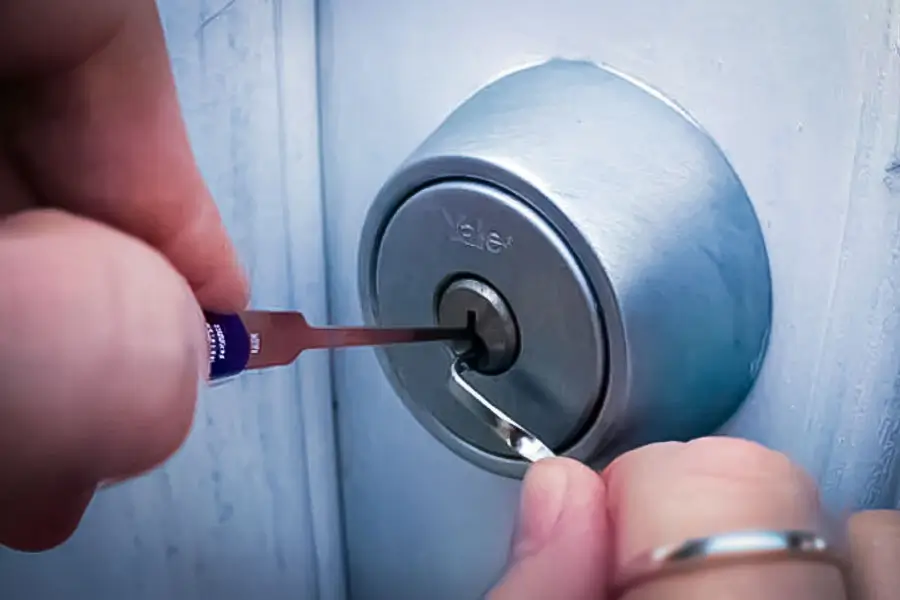
Why You Should Learn Lockpicking Now
Lockpicking has an undeserved negative image, but is primarily a valuable and fascinating skill. Discover how it helps you better understand your own security, how it provides solutions in...