
-
Je winkelmandje is leeg
Ga naar de shop om producten in je winkelwagen te plaatsen
Security Pins in Lockpicking
Security pins such as spool, serrated, and mushroom pins make lockpicking significantly more difficult. In this article, you will learn how to recognize these security pins, what a false set is, and how to open your lock with counter rotation. Including tips for practicing with cutaway and transparent practice locks.
Author: Ties
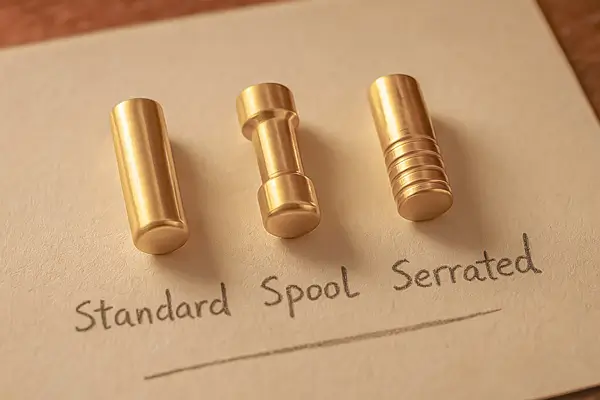
As soon as you master the basics of lockpicking, you’ll naturally encounter locks that feel different. The cylinder turns a bit, you think you’re almost there, but the lock doesn’t open. There’s a good chance you’re dealing with security pins. In this article, I explain what they are, how to recognize them, and how to overcome them.
What are security pins?
Security pins are locking pins with a modified shape that make lockpicking more difficult. A standard locking pin is a smooth cylinder. Once you place it on the shear line, it is “set” and you can move on to the next one. Simple. Security pins work differently. Due to their shape, they catch on spots where a standard pin would not. They give you the feeling that you are making progress while you are actually stuck. Security pins are the solution to make lockpicking on locks more challenging. The three types you encounter most often are spool pins, serrated pins, and mushroom pins. Let’s take a look at them one by one.
Spool pins
A spool pin looks like a spool of thread. The middle is narrower than the two ends. It is by far the most commonly used security pin, and you will find it in almost every lock that costs more than the cheapest models. What makes a spool pin so tricky? When you apply tension and try to set the pin, the wide end catches on the edge of the pin chamber. The cylinder turns a few degrees, just enough to make you think you’re on the right track. But the lock doesn’t open. You’re in a false set. Schuyler Towne demonstrates this beautifully in his course, which you can find for free on YouTube. He removes all pins except the spool in the fourth chamber and shows how the cylinder moves dramatically when the narrow part of the spool reaches the shear line. The solution is simple in theory but tricky in practice. You slightly reduce the tension on your tension wrench while continuing to push the pin up. The spool then slides past the shear line into its correct position.
Tip: A spool pin always gives a noticeable false set. Whether the spool is long and thin or short and thick, you can feel it in your tension wrench. Trust that feeling.
Serrated pins
Serrated pins have multiple small grooves around their surface, like the serrations on a knife. Each groove can catch on the shear line. Where a spool pin gives you one clear false set, a serrated pin gives you multiple false clicks. The annoying thing about serrated pins is that they are harder to recognize than spools. Serrated pins can bind at any random moment in the picking process, unlike spools that occupy a predictable spot in the binding order. You feel a “click” and think the pin is set, but you’re actually on one of the grooves. The approach is patience. You work with very light tension through each groove until you reach the real shear line. Every click you feel, you test. Is this the real one? Or am I on a groove? You find the answer by pushing very lightly further. If the pin still moves, it was a false click.
Mushroom pins and other variants
Mushroom pins have a wide, flat head on top, like a mushroom. That head increases the contact surface with the chamber wall, which creates more friction during picking. They are even more misleading than spools because the counter rotation is subtler. In addition to these three main types, there are dozens of variants. Barrel pins that work as double-sided spools. Christmas tree pins with multiple protrusions. Gin bottle pins with extreme spool profiles that cause deep counter rotation. And then there are trampoline pins found in TrioVing locks, which literally spring back when you try to set them. For most lockpickers, mastering spools and serrated pins is more than enough. If you can recognize and overcome those two types, you’ll open the vast majority of locks you encounter.
What is a false set?
A false set is the moment when the cylinder turns further than normal, but the lock does not open. It feels confusing as a beginner. You have clearly made progress because the cylinder has moved. But something is not right. What happens is that the narrow part of a spool pin (or the groove of a serrated pin) has caught on the shear line. The pin is not in its correct position. It blocks full rotation.
A false set is good news. It means you are dealing with security pins and that you have already picked part of the lock correctly. Now you just need to set the security pins correctly. How do you recognize a false set? The cylinder turns about 5 to 10 degrees. There is less resistance on your tension wrench than normal. It feels “easy” but the lock does not open. If you now test the pins, you will feel that one or more pins give counter rotation when you push them.
Mastering counter rotation
Counter rotation is the key to overcoming security pins. When you push a spool pin up from a false set, the wide top of the spool tries to turn the cylinder back in the opposite direction. That feels like a slight movement under your tension wrench. The technique is as follows. Once you recognize a false set, you test each pin. The pin that causes counter rotation is your security pin. Now you slightly reduce the tension on your tension wrench, just enough to allow the pin to move, but not so much that you lose previously set pins. Gently push the pin up. If you do it right, the pin slides past the shear line and clicks into its true position. In the words of Deviant Ollam, former president of TOOOL US: you let the cylinder rotate back under control while you help the pin over the shear line. It’s a dance between tension and pressure. With multiple spool pins in the same lock, you repeat this for each security pin. Each time a spool is set correctly, you fall back into a new false set until the last pin falls into place and the lock opens.
Practicing with security pins
The best way to learn about security pins is with a cutaway practice lock. You can see exactly what happens when a spool or serrated pin reaches the shear line. That visual understanding makes the feeling in your fingertips much quicker to recognize.
Cutaway Practice Lock with Spool Pins
A cutaway lock where you can see how spool pins get stuck on the shear line and what counter rotation looks like. View Practice Lock
Cutaway Practice Lock with Serrated Pins
The same setup but with serrated pins. Ideal for feeling and seeing the difference between spool and serrated feedback. View Practice Lock If you already have a Skylender practice lock, you can place loose security pins in it. Start with one spool among standard pins and gradually build up.
Transparent Practice Lock with Spool Pins
Fully transparent lock so you can see how the pins move from the outside. Perfect for understanding false sets. View Practice Lock
Frequently Asked Questions
Can I rake security pins instead of single pin picking?
Raking sometimes works against spool pins, but it is unreliable. Security pins are specifically designed to frustrate raking and pick guns. Single pin picking gives you the control you need.
How do I know if my lock has security pins?
If you feel a clear false set while picking where the cylinder turns further than normal but the lock does not open, there is a good chance that security pins are present. You can also disassemble the lock to view the pins.
What type of security pin is the hardest?
That depends on the lock and the combination. Spool pins are the easiest to recognize due to their clear false set. Serrated pins are trickier because they give multiple false clicks. In practice, combinations of different types in the same lock are the most challenging.
Should I master standard locks first before starting with security pins?
Yes. If you do not master the basics of lockpicking, security pins will only frustrate you. Make sure you can consistently open at least a five-pin lock with standard pins before you start with spools.

More Lockpicking Blogs
Want to learn lockpicking? With the right lockpick set and our guides, you can open your first lock within just a few hours. Whether you choose a beginner lockpicking set or professional lockpick tools, our articles will teach you all the techniques step by step.
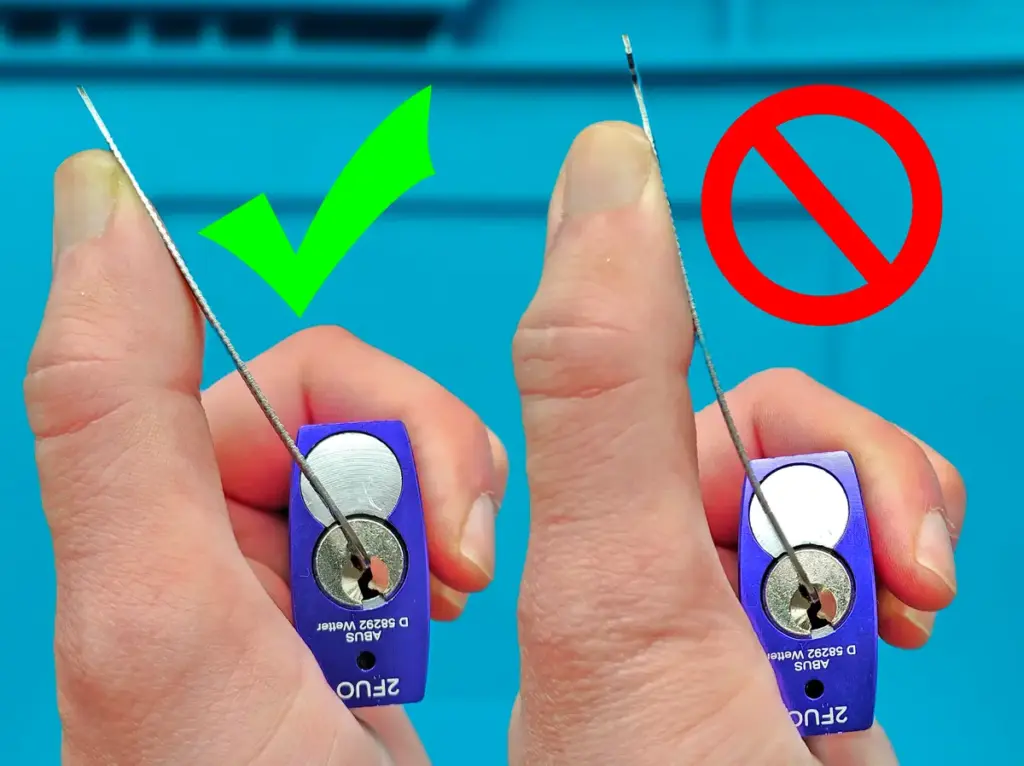
The 10 Most Common Lockpick Mistakes
After years of helping lockpickers, I keep seeing the same mistakes: too much tension on the tension wrench, only practicing with transparent locks, wrong tool choices, and skipping progressive...
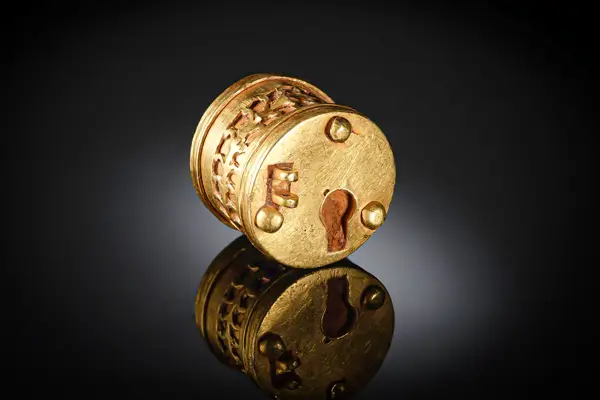
Open Ancient Roman Miniature Lock with LWL
Archaeologists discovered a unique Roman miniature lock made of gold, measuring only 1.1 by 1.2 cm. Using a 3D neutron CT scan, LWL mapped the internal mechanism. Discover the...
How does a Lockpick Gun work?
A lockpick gun (snap gun) uses kinetic energy to separate the pins in a cylinder lock, similar to the Newton's cradle principle. In this article, I explain the physics...

TOOOL Europe – The Global Locksport Community
TOOOL (The Open Organisation Of Lockpickers) originated in the Netherlands and has grown since 2001 into a global locksport community. Discover how the bi-weekly meetings in Amsterdam and Eindhoven...