
-
Je winkelmandje is leeg
Ga naar de shop om producten in je winkelwagen te plaatsen
Lockpicking and Bumping
Discover how bumping works as a lockpicking technique to open pin tumbler locks. We explain how a bump key functions, which methods such as the Rebound and Micro-Movement methods you can apply, and what problems and risks may arise.
Author: Ties
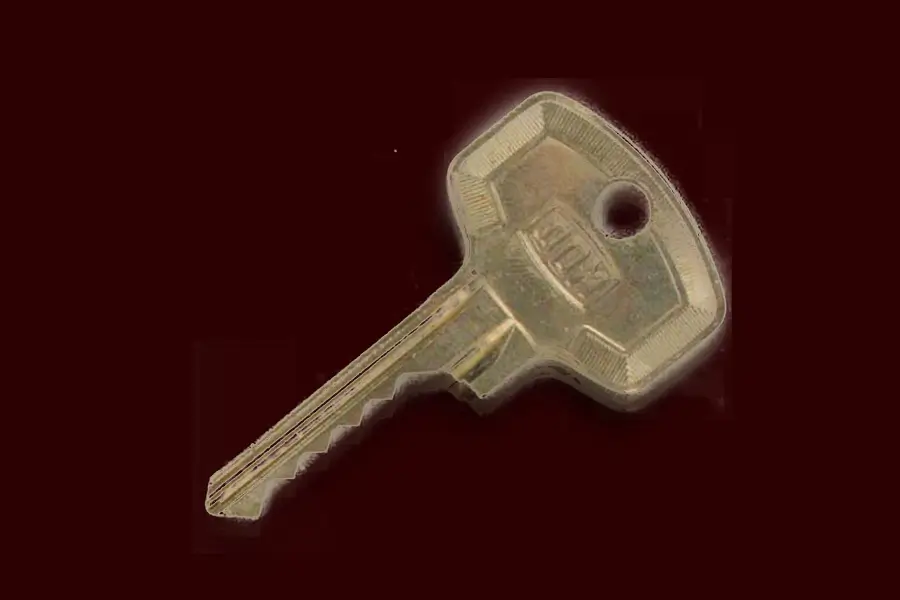
Although all locks are designed to keep things secure, there are different techniques to open locks without the original key. One of these lockpicking techniques is bumping. In this guide, we will delve deeper into these methods. I will explain how they work and what their advantages and disadvantages are.
How does a pin tumbler lock work?
One of the most commonly used locks is the pin tumbler lock. You probably have one of these locks at home as well. When you insert a key into such a lock, it pushes small pins down into the correct position. These pins are pushed back by springs as the key moves past them. When all the pins are aligned, the core of the lock can turn, and the lock opens.
Opening locks without a key
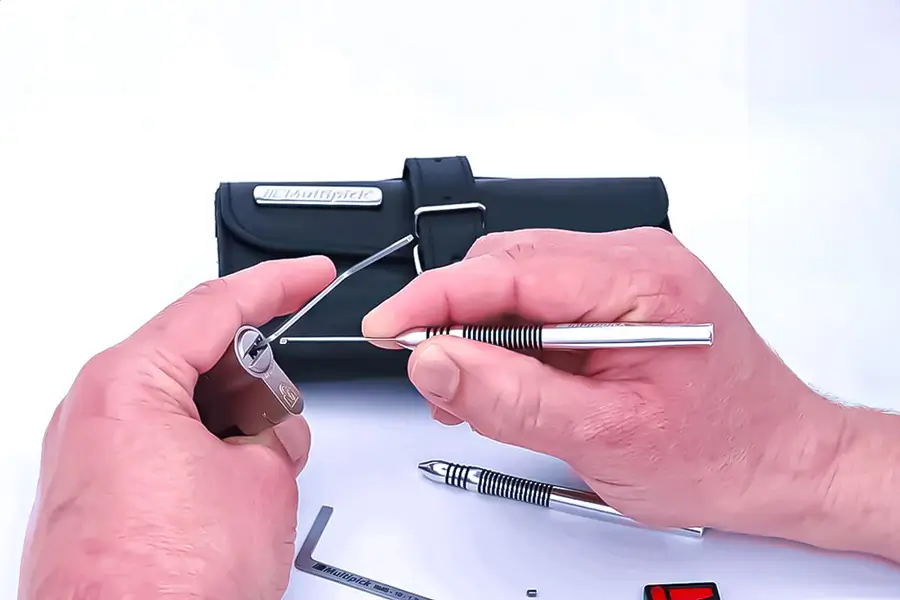
You can open a lock without a key using lockpicking. With special tools, you can manipulate the pins in a lock to set them one by one into the correct position. This is only possible because locks are never made perfectly. Due to manufacturing errors, you can set some pins before others. By carefully turning the core of the lock and positioning the pins, you can open the lock. Lockpicking has become a popular sport, complete with clubs and world championships.
How does a lockpick gun work?
A lockpick gun offers another lockpicking technique. With this, you work with the laws of Newton. Hold the needle just against the top of the pins in the lock. With a quick tap, the pins momentarily come loose from each other, allowing you to turn the lock. The trigger of the lockpick gun tightens a spring, which then strikes the pins with a sharp motion. It is a small stroke, but powerful enough to make the pins jump to open the lock.
However, a lockpick gun is not always effective. Some locks are modified to counter this method by having narrower keyholes or stronger components.
Bumping method to open locks
Bumping is a technique where you use a special ‘bump key’. This bump key has all the cuts at maximum depth, allowing the pins in the lock to jump when the key is tapped. By inserting the bump key into the lock and giving it a tap, the energy causes the pins to momentarily come loose, allowing the lock to turn. Bump keys are easy to make and copy, making bumping a powerful technique.
The Rebound method in bumping
A popular technique in bumping is the Rebound method. Here, you fully insert the bump key into the lock and then pull it back one pin. Then, you give a tap on the back of the key with a special bump hammer and turn the key at the right moment. The precise moment of turning is important. Always practice the technique on old locks that are not in use.
The Micro-Movement Method for bump keys
In the Micro-Movement Method, you sand a little metal off the tip and shoulder of the bump key. This allows the key to go slightly deeper into the lock, making the technique more efficient. When the bump key is fully inserted into the lock, the springs push the key back slightly. This causes the pins to rest against the sides of the cuts instead of the bottom.
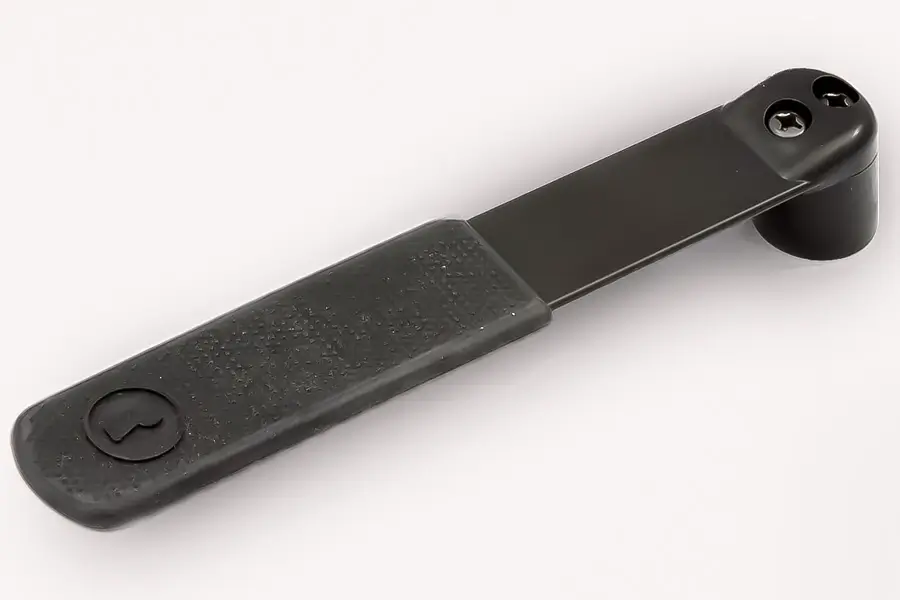
It is important to use a light object, such as the bump hammer from Sparrows. This is suitable for tapping the bump key, so you damage the lock and the key less.
Does bumping work on every lock?
Bumping does not work on every lock. Some locks have multiple layers of security, such as a pin tumbler combined with a sidebar. This makes them harder to bump, as the sidebar keeps the lock closed even if the pin tumbler comes loose.
Also, some locks are specially designed with modifications, such as narrower keyholes or special pins, to make bumping more difficult.
Common problems with bumping
Bumping can cause damage to both the lock and the bump key. Below are some of the most common problems:
- Due to the force of the taps, the bump key and the lock can be damaged, especially around the shoulder of the key.
- Sometimes the bump key deforms and gets stuck. Extra force is needed to free it, which can cause further damage.
- Bump keys made of hard metal are less prone to deformation. Softer metals can bend or wear down and damage the lock.
Tips to reduce damage when bumping
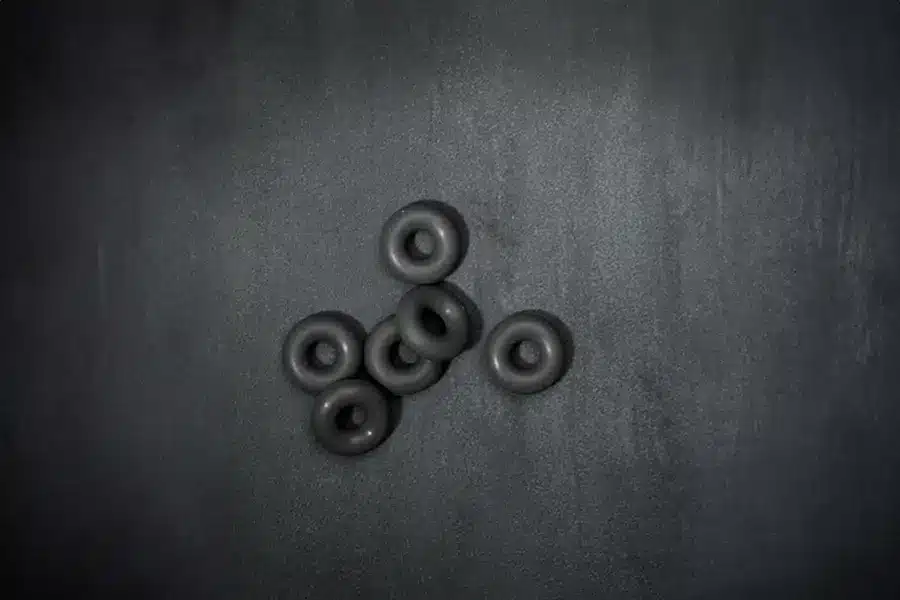
A simple way to reduce damage when bumping is to protect the bump key with a rubber ring that touches the lock. This prevents the shoulder of the bump key from directly hitting the lock. The rubber should press just enough for an effective bump. Products like bumpkey washers can be used for this purpose. This makes bumping somewhat safer for both the lock and the key.
Although bumping and lockpicking are interesting techniques, they should always be applied responsibly, for example, as a sport or by professionals. The goal is always to learn about locks and security, not to cause unnecessary damage.

More Lockpicking Blogs
Want to learn lockpicking? With the right lockpick set and our guides, you can open your first lock within just a few hours. Whether you choose a beginner lockpicking set or professional lockpick tools, our articles will teach you all the techniques step by step.
History of Lockpickers
Discover the historical story of the rivalry between locksmiths Solomon Andrews and Robert Newell in 19th century America. Both sought the perfect, unpickable lock, until Newell managed to open...
Open radial lock with lockpicks
Radial locks, or tubular locks, may look complicated but are actually very easy to lockpick with the right tubular lockpick. Discover how this round lock is constructed, what tools...
How Do I Open a Mailbox? Dutch Mailbox Locks
Mailbox blocked or lost key? Dutch mailboxes primarily use wafer locks and pin tumbler locks. In this article, we explain how these locks work, what the differences in security...
My First Abus Lock Lockpicking
Discover how to lockpick the challenging ABUS 72/40 with step-by-step tips on raking, single pin picking, and using the right tension wrench. Also learn about the marking technique and...