-
Your shopping cart is empty
Go to the shop to add products to your cart

Gift weeks until 1 November: free gift on orders from €50 · Free gift from €50 until 1 Nov · See the gifts
Gift weeks until 1 November: free gift on orders from €50 · Free gift from €50 until 1 Nov · See the gifts
Buy your bypass tools at Lockpickings and open locks without a key. To open a closed door, purchase flip cards. If the door is locked, choose bump keys, decoders, comb picks, and more. Bypass tools are efficient in circumventing locking mechanisms in locks.
Sign up for our newsletter and be the first to hear about new products, offers and helpful tips. As a thank you, you receive a personal code for €5 extra off during Black Friday week (23 to 30 November, on orders from €50).

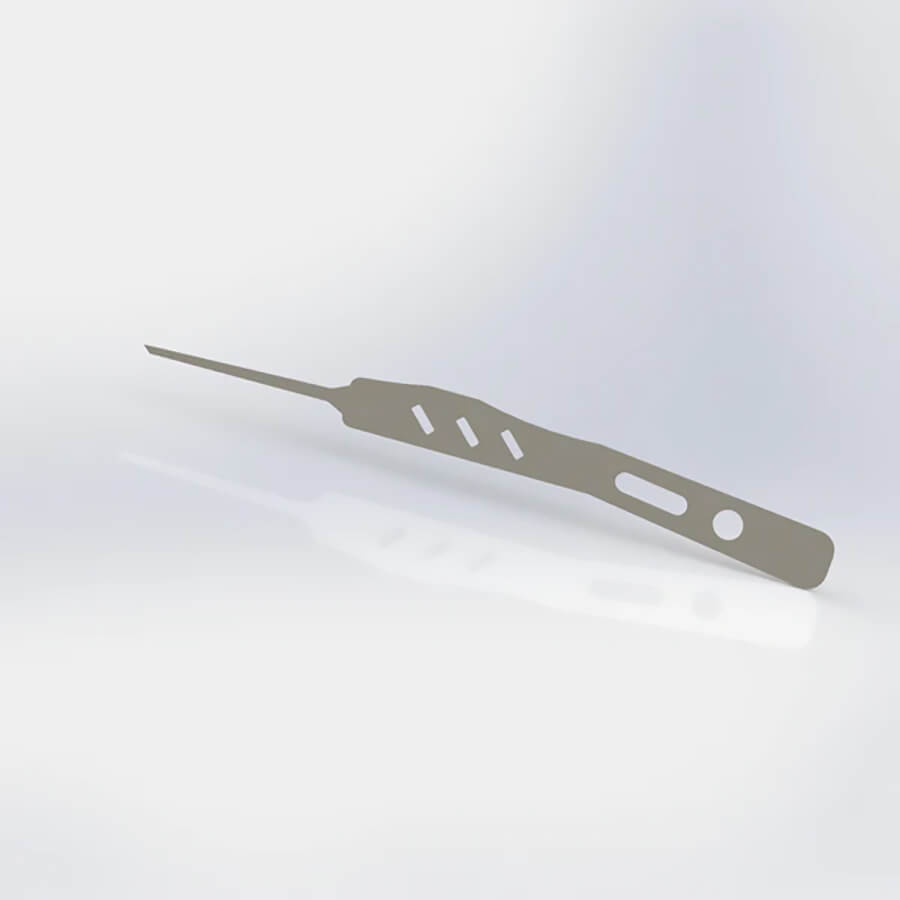
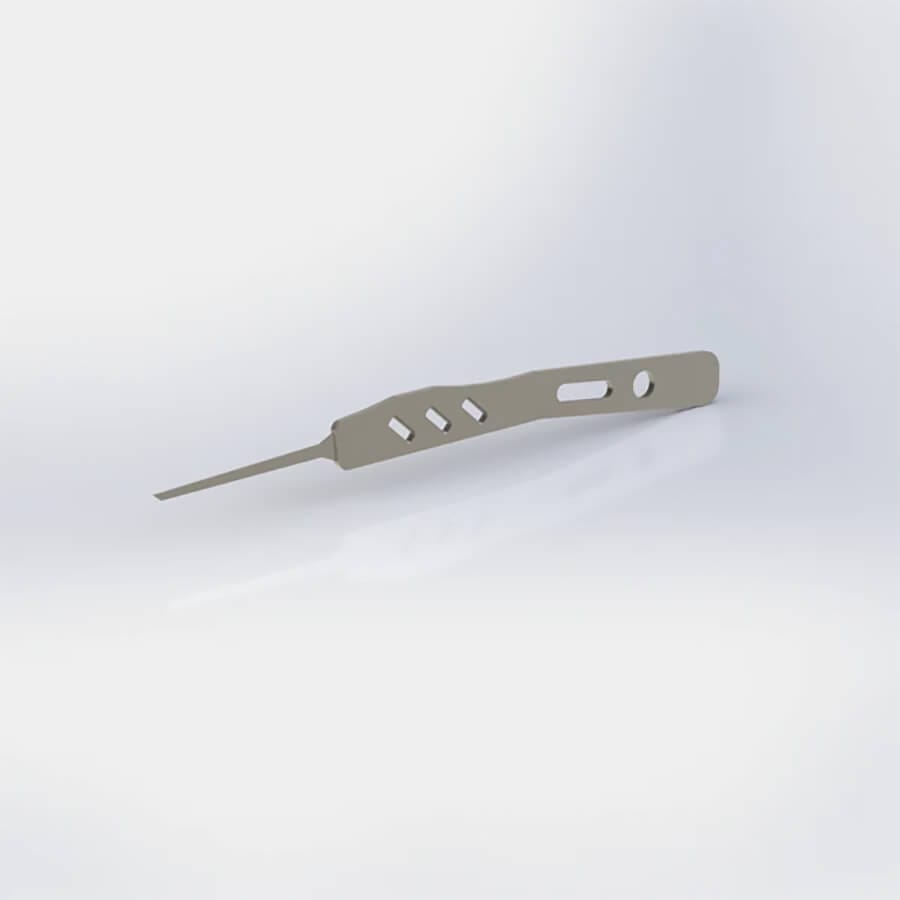
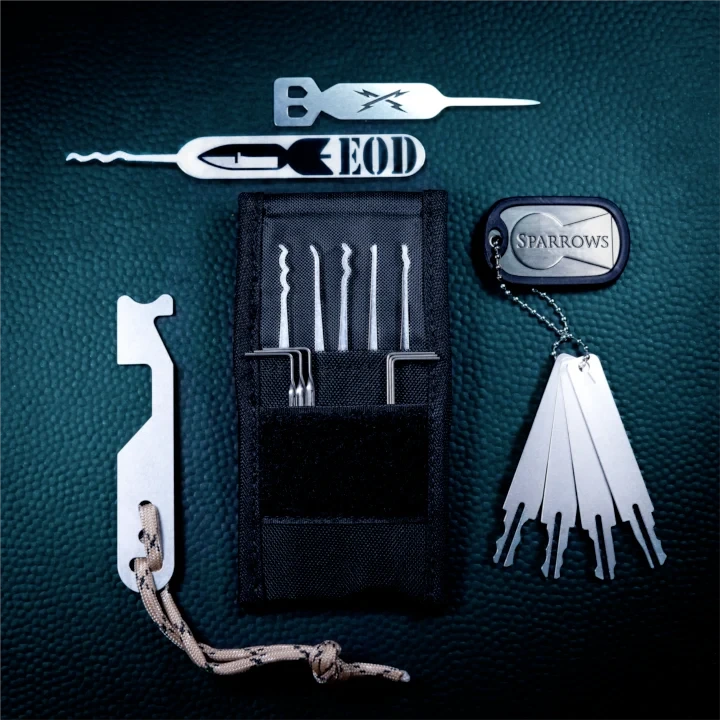
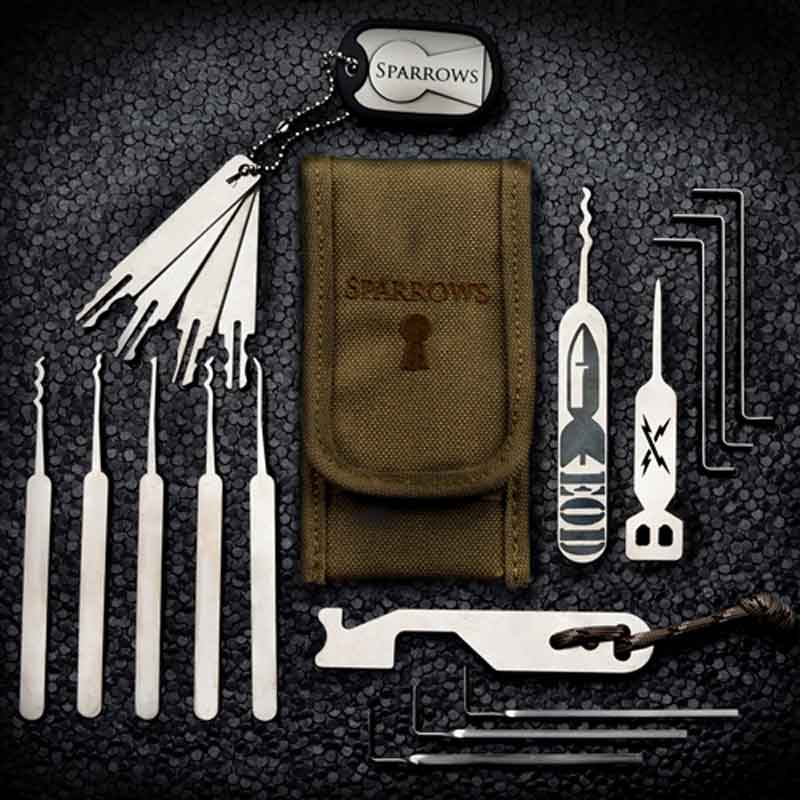
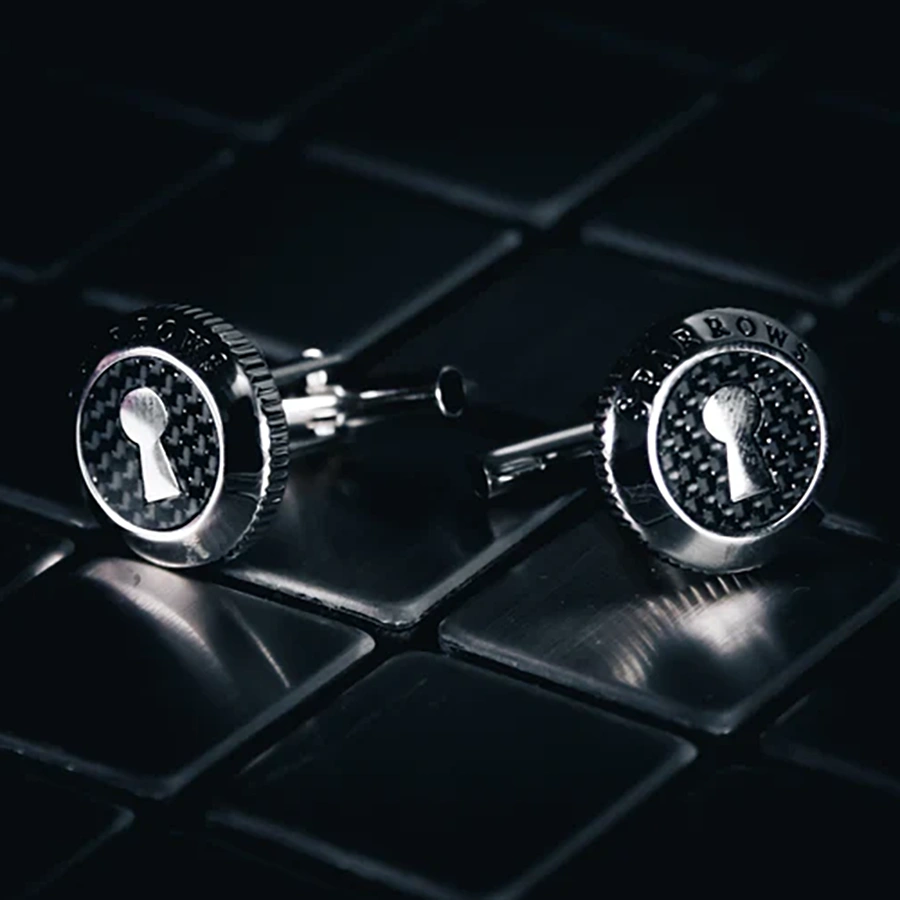
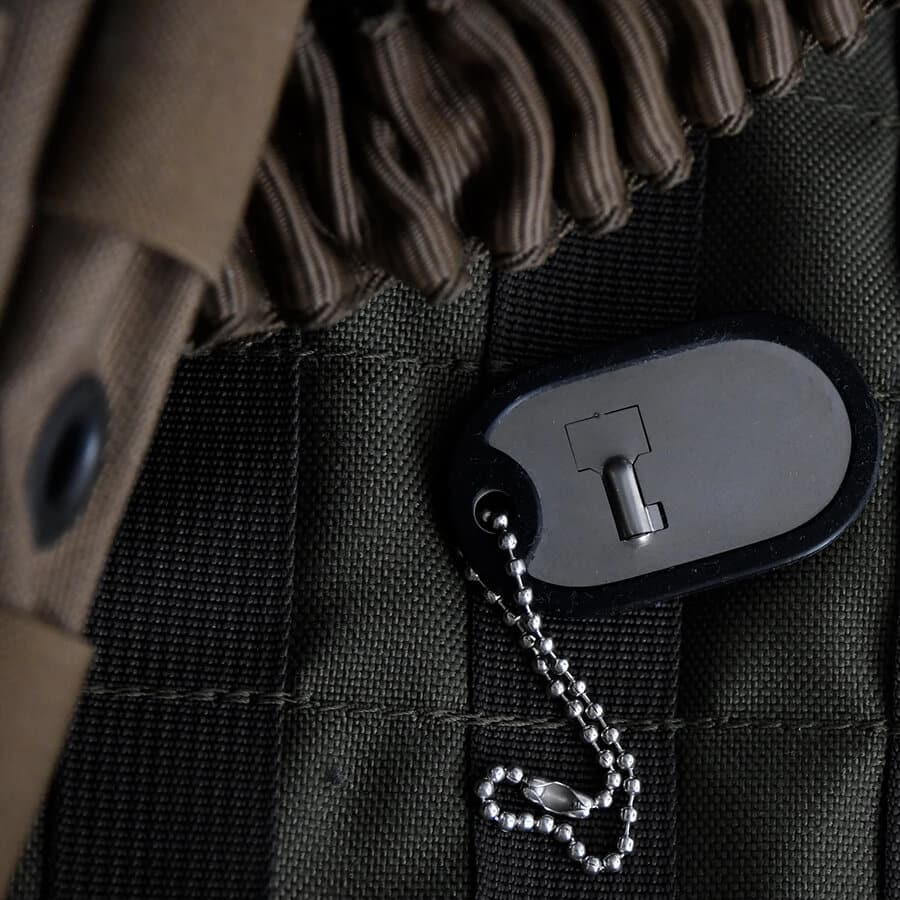
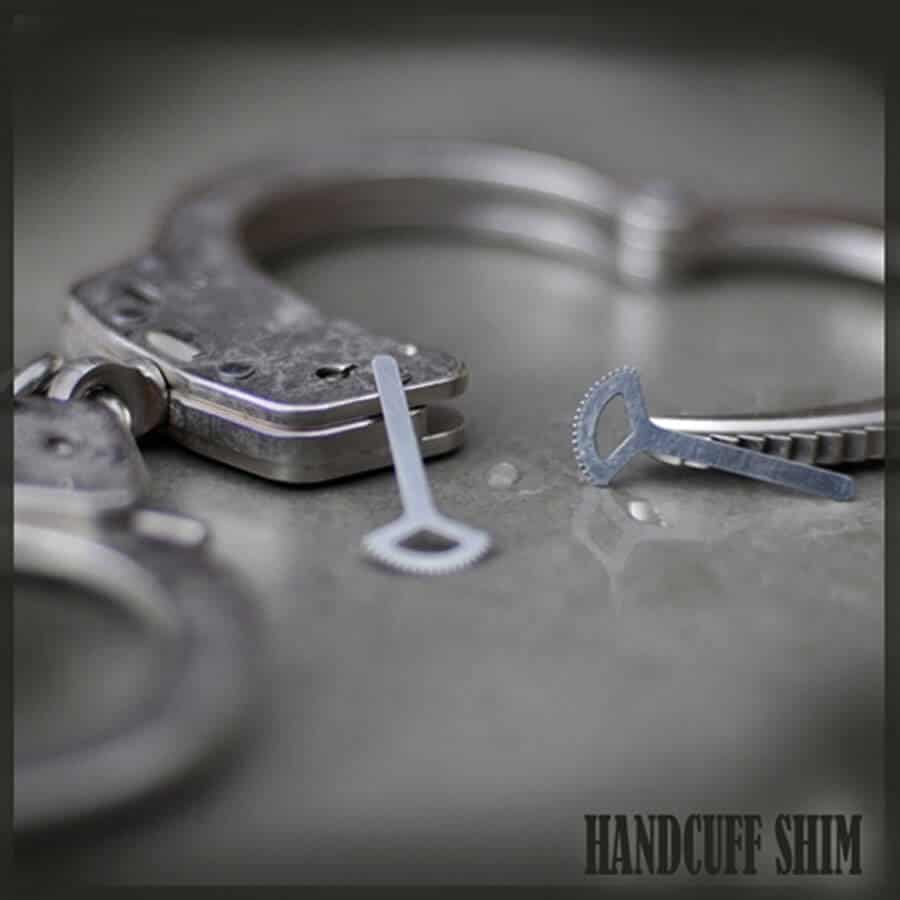
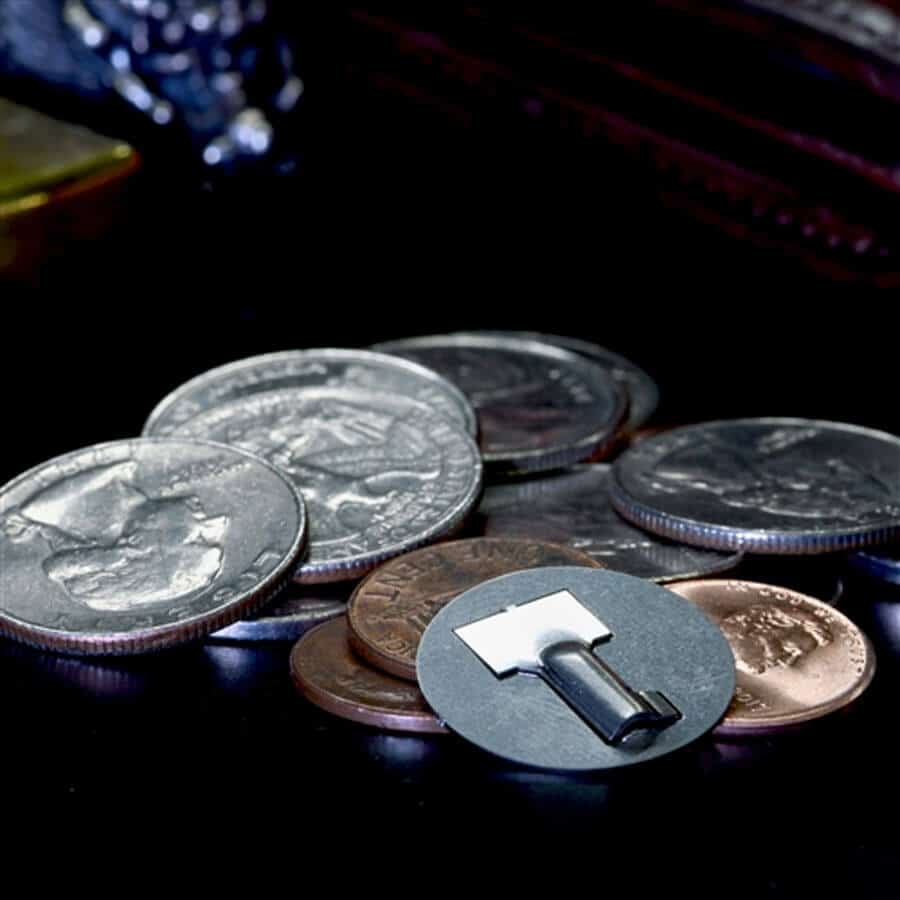
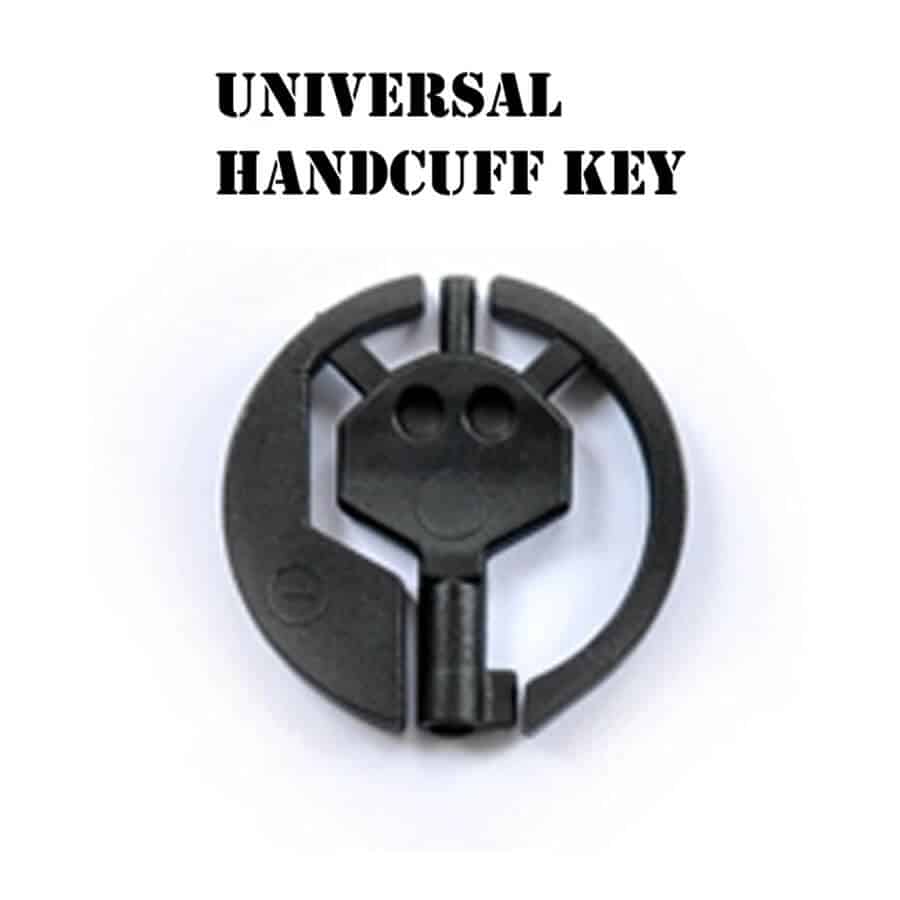
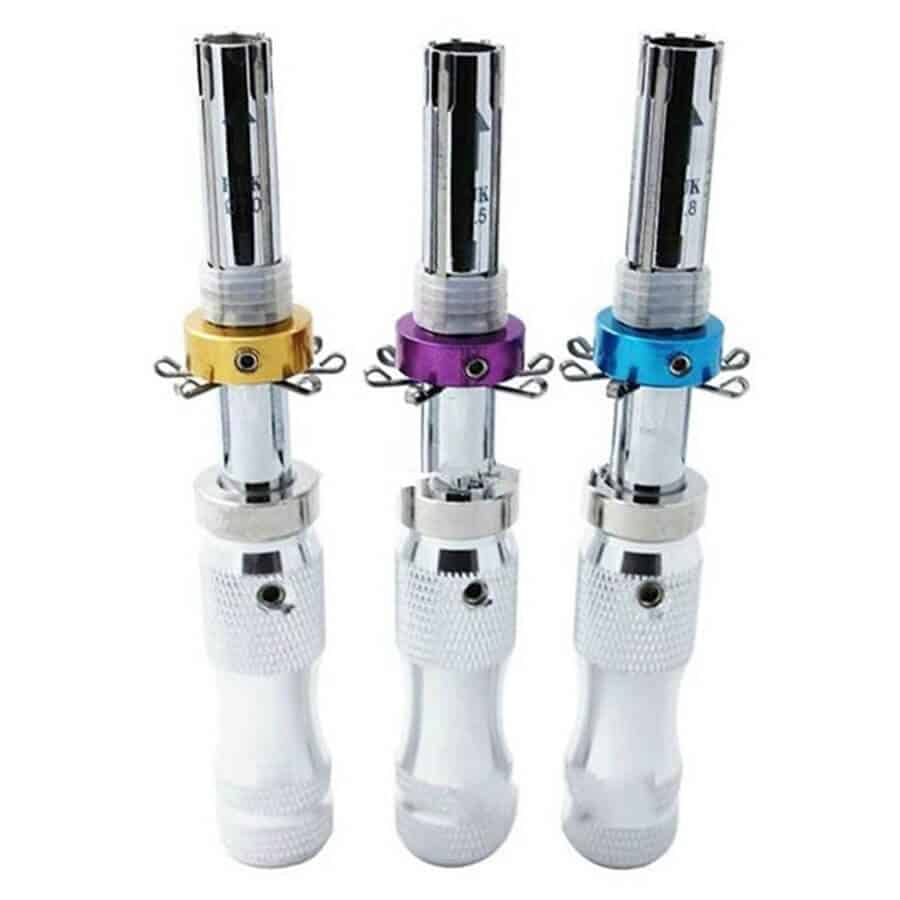

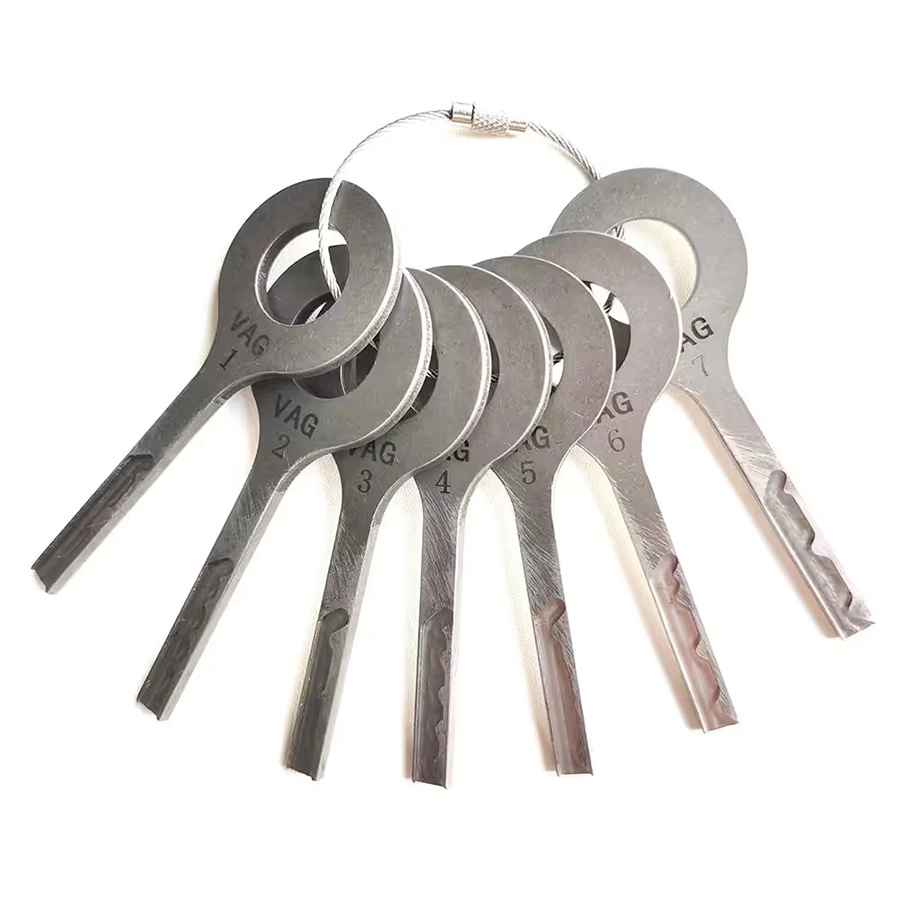
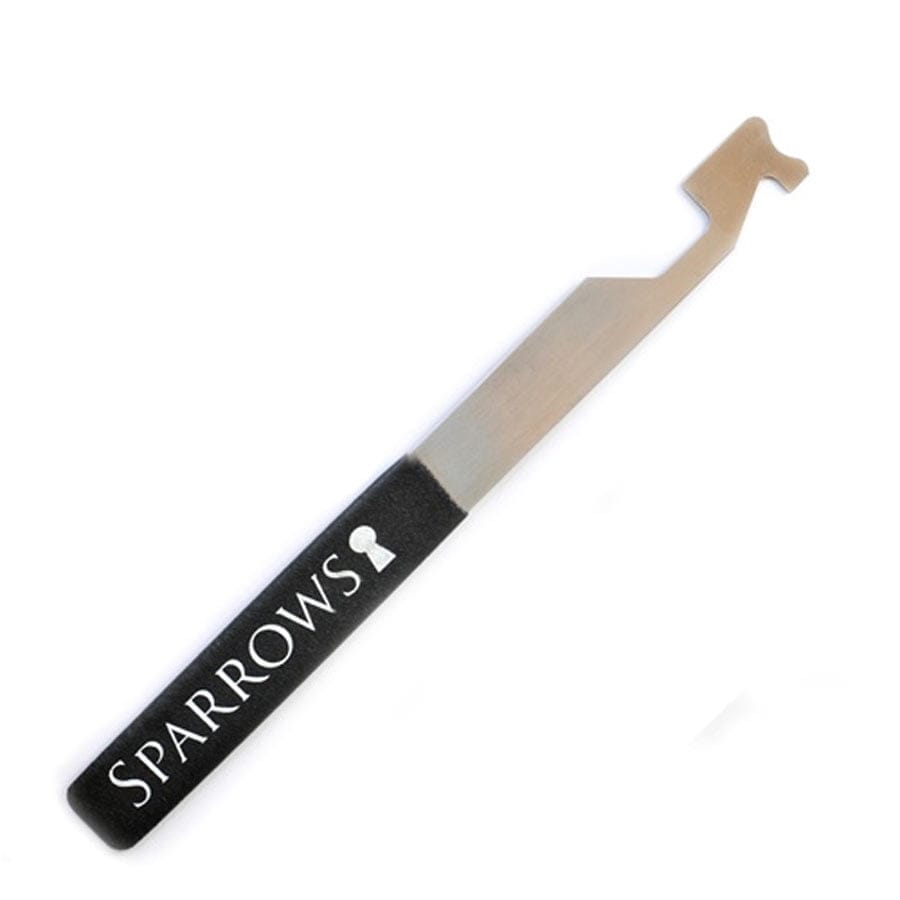
Bypass tools are specialized tools that allow locksmiths to open a lock without the traditional method of lockpicking. Instead of manipulating the pins in a lock, bypass tools target weak points in the mechanism. An example is a tool to bypass the Abus 72/40, made by Sparrows.
There are various types of bypass tools, each designed for specific situations:
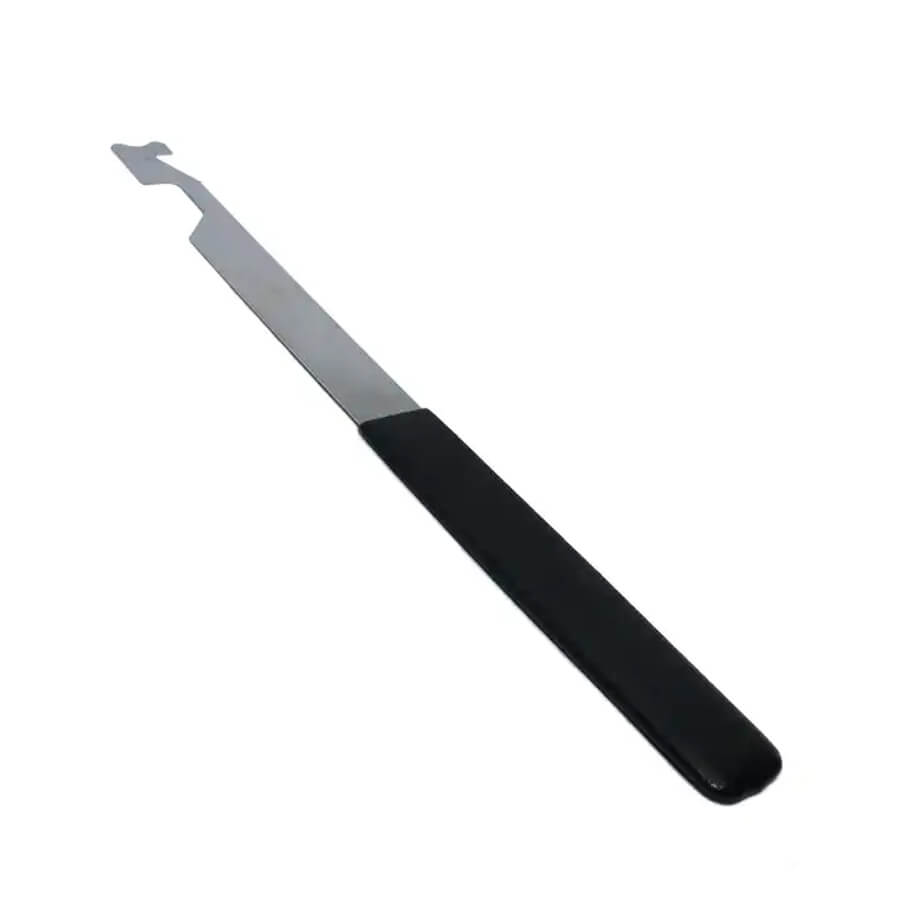
Lishi 2-in-1 lockpicks are specially designed tools that allow for both opening and decoding a lock. Unlike traditional lockpicks, the Lishi combines a tension wrench and a lockpick into one tool.
A Lishi 2-in-1 tool can manipulate the pins or wafers of a lock separately while simultaneously applying tension. This significantly facilitates the process. They primarily work to open car locks.
Lishi tools are particularly useful for car locks and cylinder locks, as they provide a precision that is difficult to achieve with traditional lockpicks. They can also determine the exact key code of a lock, allowing a new key to be cut without needing the original.
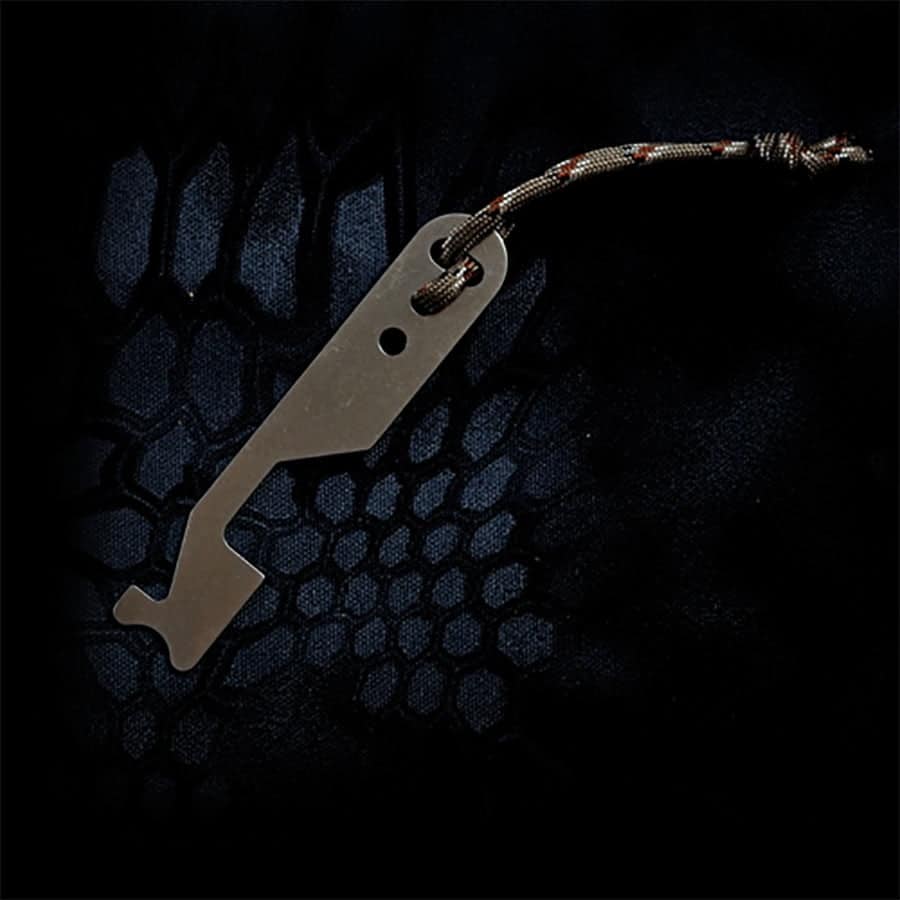
A flip card is a thin and flexible piece of plastic, similar to a credit card. It is used to open simple latch locks. This works particularly well on closed doors where the latch is not protected by an anti-flip feature. The flip card must be pushed between the door and the frame. By moving it correctly, the latch can be pushed in. After that, the door can be opened without a key.
If the card gets stuck, try to free it with a gentle zigzag motion. If that doesn’t work, try a thinner or more flexible card. Also, pay attention to the direction the door opens; some doors open inward, making flipping less effective. If the lock has extra security, a different technique will be needed.
Comb picks are a special type of lockpicking tool that works on certain pin-tumbler locks by pushing all the pins up at once. With this bypass technique, you can raise the pins above the shear line, allowing the cylinder to turn freely and the lock to open.
A comb pick has teeth that correspond to the pin layout of a lock. When the tool is inserted deep enough into the keyhole, it can lift all the pins simultaneously, causing them to disappear into the housing. This releases the cylinder without needing to manipulate individual pins.
Modern locks are often designed to prevent over-lifting, making comb picks only effective on older or cheaper locks.
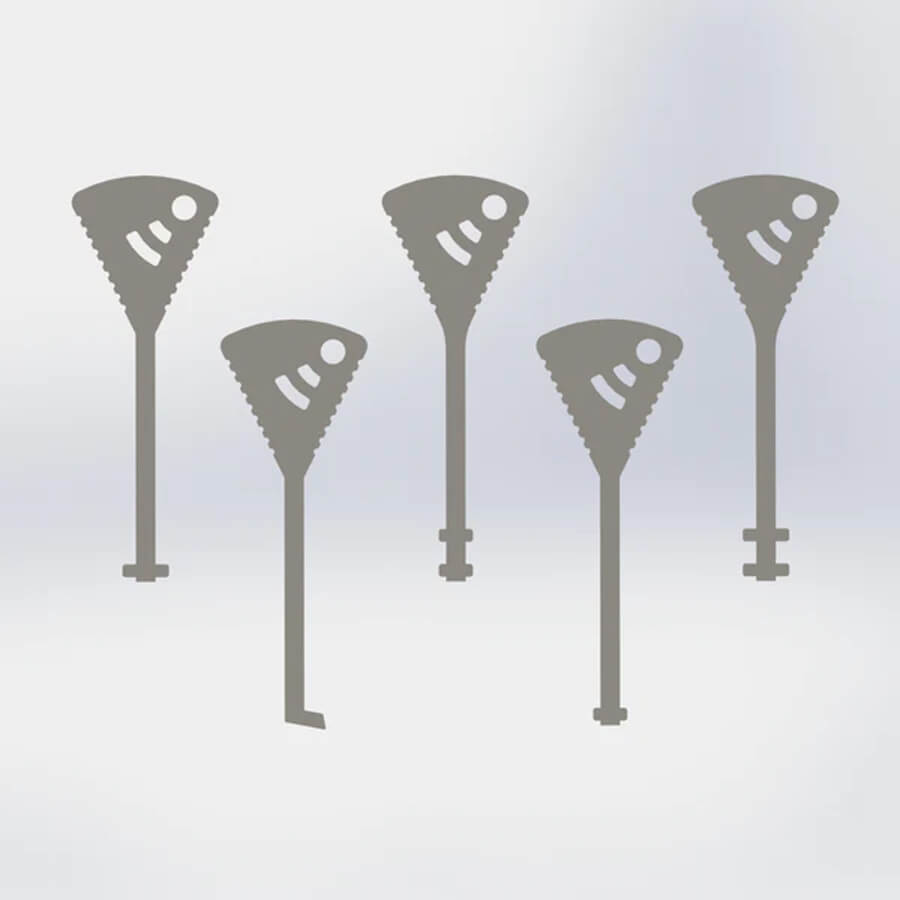
Bump keys are keys that have been modified to easily open locks by delivering a powerful bump. They are designed for pin cylinder locks and can place the pins at the shear line with a bump. This temporarily aligns the pins in the lock to allow the cylinder to turn.
A bump key works by delivering a sudden shock through the key. This causes the pins in a lock to temporarily jump up and free the cylinder. This can only be successful if the key is cut correctly for the specific lock profile. You can buy bump keys in sets that contain different keys for different locks.
A common problem is that modern locks are often bump-resistant, thanks to improved pin systems and security features. If a bump key doesn’t work, it may be that the lock has extra security. There are indeed anti-bump pins.
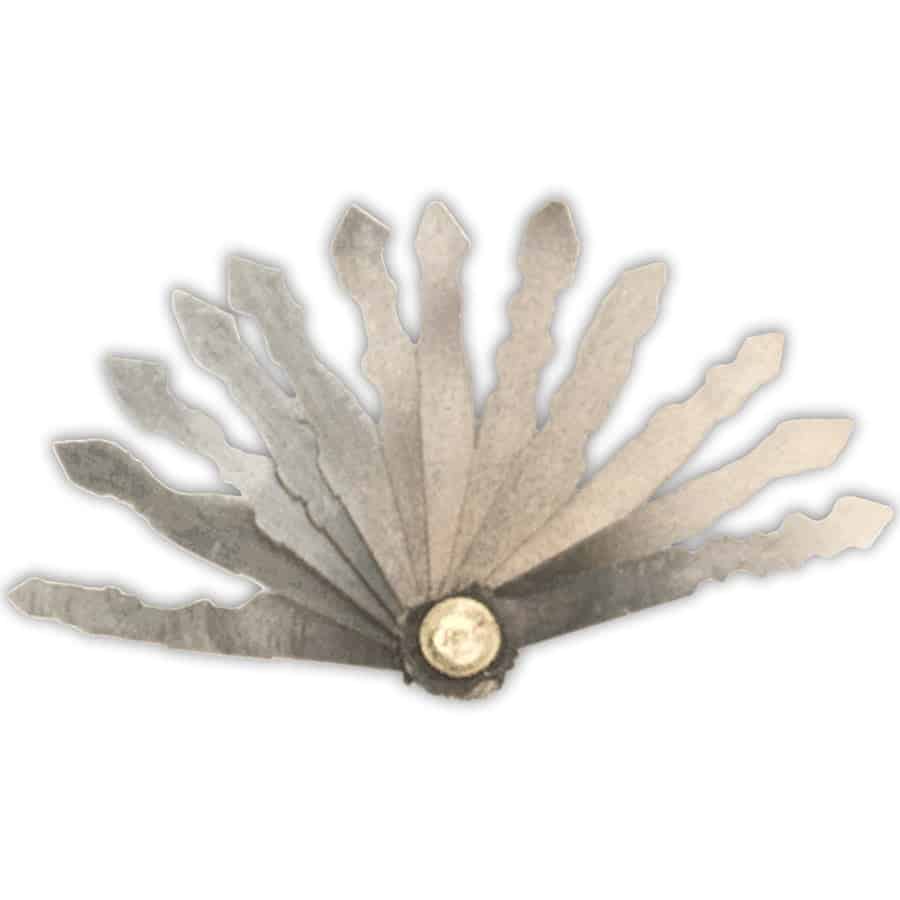
Jiggler keys are versatile tools for opening wafer cylinder locks, such as those found in some older cars, bicycles, and filing cabinets. Jiggler keys can be used for both door and ignition locks.
Jiggler keys combine the function of a lockpick and a tension wrench in one tool. They are inserted into the lock and then moved with a gentle up-and-down motion while applying turning tension. This helps to position the internal wafers correctly, allowing the lock to eventually open.
The key to success with jiggler keys is choosing the right profile. For older and less advanced locks, a well-fitting jiggler key can often yield quick results.
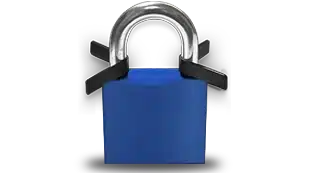
Padlock shims are thin metal plates designed to bypass the locking mechanisms of padlocks. They are slid between the shackle and the housing of the lock to release the internal locking pins. This process works well on cheaper padlocks or older models that lack shimming protection.
It is important to know that not all padlocks are vulnerable to this method. Many modern padlocks have a “double ball bearing” mechanism, making shimming virtually impossible.
Some shims are too thick for narrow openings. In that case, thinner aluminum shims or homemade shims from soda cans may be a better option. If a padlock has a double locking system, two shims must be used simultaneously. They also wear out quickly and can bend or break after a few attempts. It is handy to have multiple shims on hand.
Skeleton keys, also known as bypass keys, are special keys designed to open old locks. This principle is mainly used in hotels, old buildings, and some safes. The operation is simple: the skeleton key is just slightly smaller than a regular key and therefore fits into multiple locks of the same brand or type.