
-
Je winkelmandje is leeg
Ga naar de shop om producten in je winkelwagen te plaatsen
Open Ancient Roman Miniature Lock with LWL
Archaeologists discovered a unique Roman miniature lock made of gold, measuring only 1.1 by 1.2 cm. Using a 3D neutron CT scan, LWL mapped the internal mechanism. Discover the history, technical construction, and why this golden lock is unique in Europe, including a scale reconstruction and a downloadable CAD file for 3D printing enthusiasts. Read how this historical mechanism relates to modern lockpicking techniques today.
Author: Ties
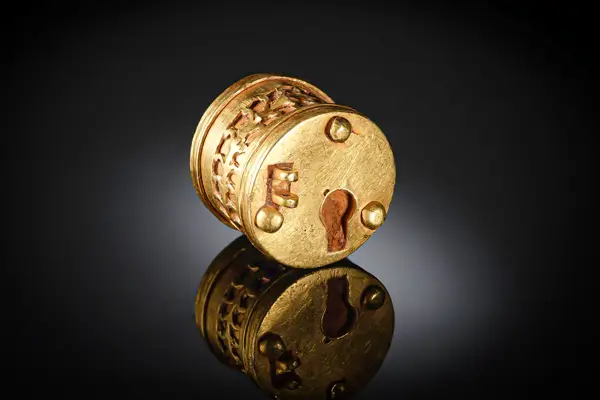
Archaeologists have discovered an ancient Roman miniature lock. The lock is made of gold and measures only 1.1 by 1.2 cm. It was found by the Landschaftsverband Westfalen-Lippe (LWL) in Petershagen-Frille. This lock was used to secure valuable items, such as jewelry. LWL has mapped the internal mechanism using a 3D neutron CT scan. In this article, you will read about who used it, what the ancient lock was opened for, and how it was locked.
The Story Behind the Miniature Lock
Who used the lock and what was its function?
Historical data shows that the lock was used by Roman soldiers and members of the elite. The small lock was a compact security solution for protecting precious items. The mechanism for locking and unlocking the lock resembles a bontebaardslot. This system works in a similar way to modern lockpick tools. An example of this is the Loper Bontebaardslot, which functions as a traditional key. The practical application of this lock indicates the importance of security and status at that time.
Historical Context and Applications
LWL indicates that the miniature lock was made in a provincial Roman area and dates back to the 3rd or 4th century AD. Dr. Barbara Ruschoff-Parzinger states that this type of lock was used to secure small items such as jewelry boxes. Prof. Dr. Michael Rind points out that this golden miniature lock is unique in Europe. It is the northernmost find of such a lock in Germany. This discovery helps us understand how the Romans combined security and status.
Source: LWL press release about the Roman miniature lock (28.01.25)
Technical Construction and Modern Analysis
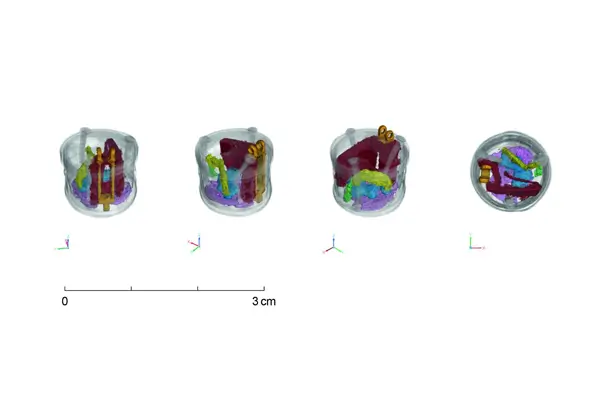
CT scan reveals the Internal Mechanism
LWL used a 3D neutron CT scan to capture the internal mechanism of the lock. The scan shows that the lock has a sturdy frame with an integrated spring. The bolt and the small key piece are also clearly visible. This technique provides a clear picture of the construction. The method is similar to that used in modern locks, such as the Cilinderslot. The data from the scan helps document the technical details.
Opening Old Locks: Technical Construction and Modern Analysis
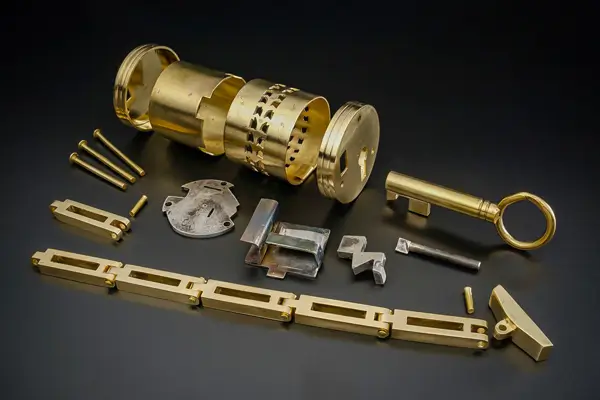
Based on the CT scan, a scale model of 4:1 has been created. This model is made from materials such as brass and steel. It shows how the frame, spring, and bolt work together to lock the mechanism. The reconstruction helps us understand how the lock functioned. There are indications that there were also attempts to open the old lock without a key. The CT scan shows damage to the mechanism, suggesting that someone tried to break the lock open.
Download CAD file via Toool
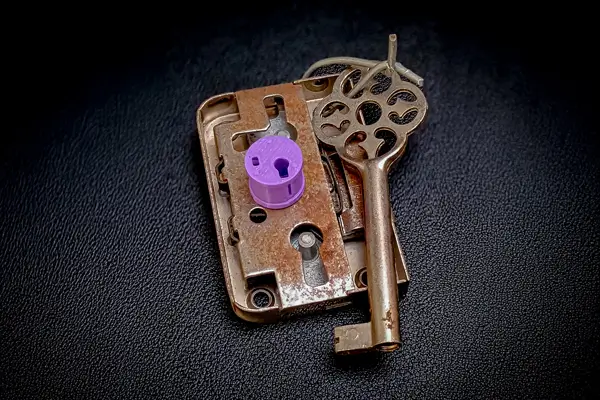
For the tech enthusiasts, a CAD file is available via Toool. This file allows for a detailed 3D analysis. With the file, you can experiment with reconstructions yourself. The 3D printed mock-up is made from purple filament and shows how the lock works. View the mock-up at Toool Blackbag. Please note that this photo, like all photos, may only be used in the context of the press release. Always use the correct photo credit.
The Golden Aspect
This lock is special because it is made of gold. In Roman times, locks were usually made of iron or bronze. Gold was very precious and was only used for high-value objects. According to LWL, no other comparable golden miniature lock has been found in Europe. It is the northernmost find of such a lock in Germany. The lock was discovered in 2023 and presented in 2025. This discovery demonstrates the high level of craftsmanship and the status of the owner. Knowledge about trade and culture at that time has increased as a result. Read more about the history in our History of Lockpickers.
Source: LWL press release about the Roman miniature lock (28.01.25)
Frequently Asked Questions
How does a 3D neutron CT scan work for analyzing ancient metal locks?
A 3D neutron CT scan uses neutron radiation to measure the density of metal objects. This provides a clear image of the internal structure of the lock.
What is the significance of using gold in a Roman lock?
Gold was very precious in Roman times. The use of gold in the lock indicates a high status and exceptional craftsmanship.
What do we learn from the scale reconstruction of the lock?
The scale reconstruction provides better insight into how the lock works. The model shows how the components work together in a compact form.
What are the practical applications of this historical find for modern lockpicking techniques?
The analysis of the Roman lock gives ideas about ancient lockpick tools. It shows how precise and thoughtful ancient security techniques were.
How does this find contribute to our knowledge of the Roman Empire?
The discovery gives us more insight into trade and social status in Roman times. It proves that even small objects were made with advanced techniques.

More Lockpicking Blogs
Want to learn lockpicking? With the right lockpick set and our guides, you can open your first lock within just a few hours. Whether you choose a beginner lockpicking set or professional lockpick tools, our articles will teach you all the techniques step by step.
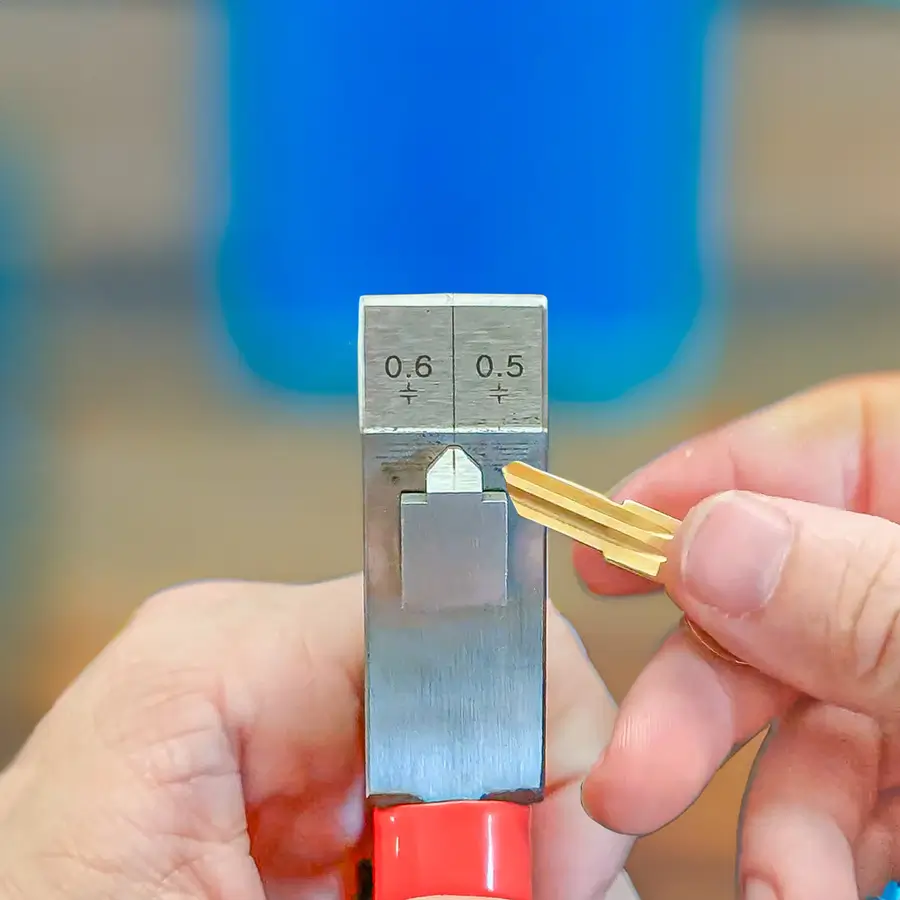
Making a Key Yourself with the Lishi Tool in 5 Steps
Lost your key and no locksmith at hand? Learn in 5 steps how to make a new key yourself with a Lishi tool using the impressioning technique, suitable for...
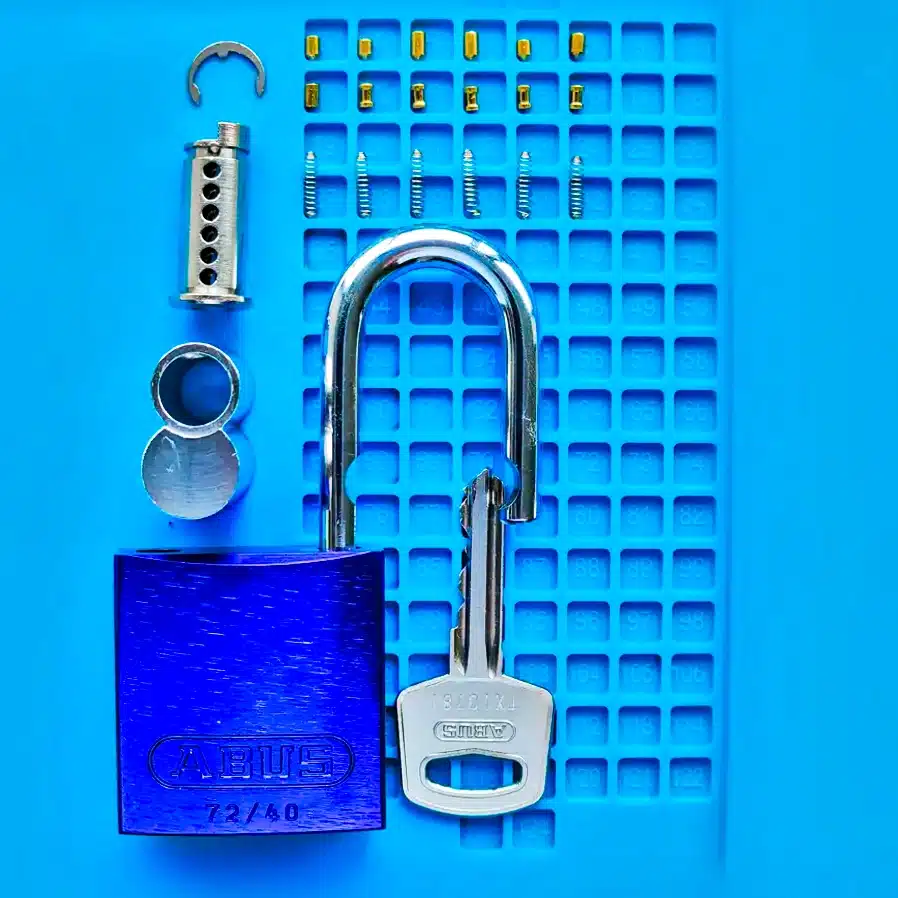
Setting Up a Practice Lock Yourself
Learn step by step how to create your own lockpicking practice lock from an ABUS 72/40 padlock. From disassembling the cylinder to progressively repinning: this comprehensive guide helps you...
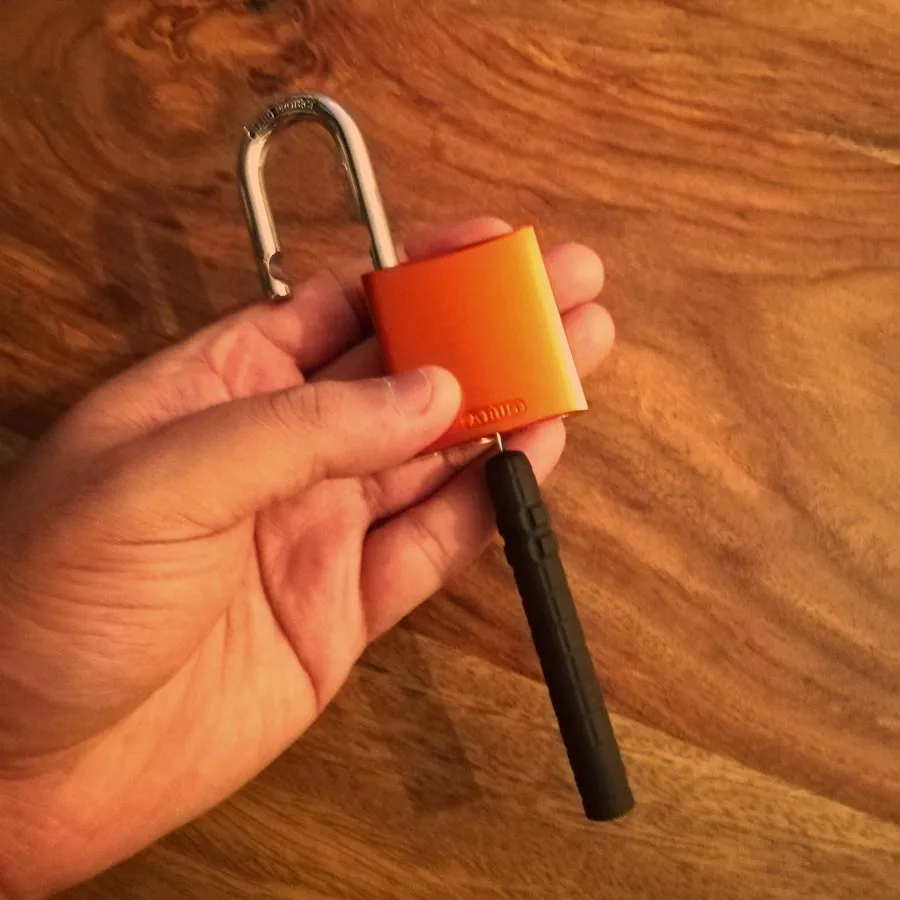
ABUS Bypass Driver – Open ABUS 72/40 Padlock
The ABUS 72/40 is a popular padlock, but it has a notable weakness: the Bypass Driver technique. In this article, I will explain step by step how this bypass...
Opening Locks with Aluminum Foil
Foil impressioning is a clever technique to open high-security dimple locks using only a blank key and aluminum foil. Discover how this method works, why it also works on...