
-
Your shopping cart is empty
Go to the shop to add products to your cart
Opening Locks with Aluminum Foil
Foil impressioning is a clever technique to open high-security dimple locks using only a custom key and aluminum foil. Discover how this method works, why it also works on locks with a steel ball security feature, and which tools you can use.
Author: Ties
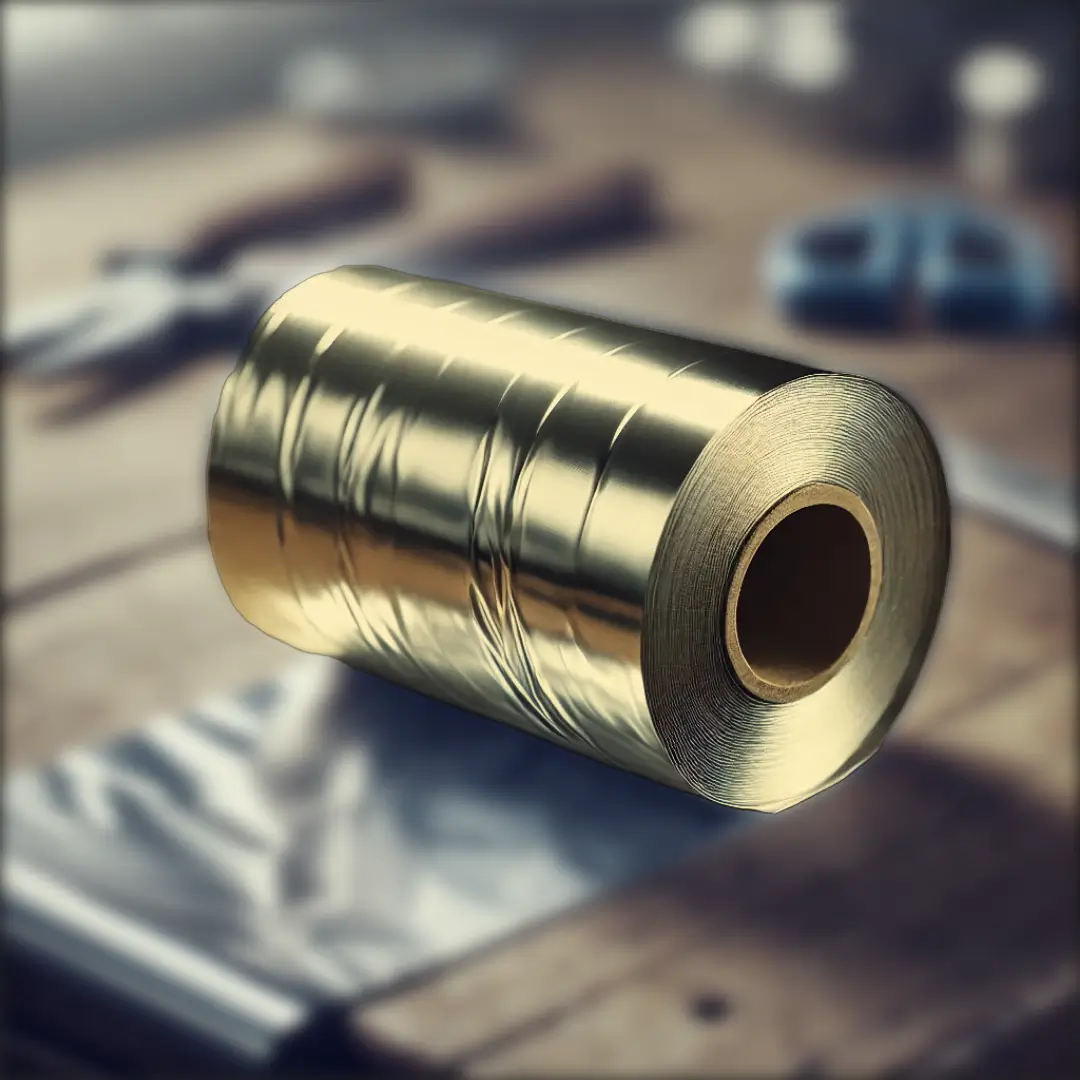
Foil impressioning (or opening a lock with foil) is a clever technique to open high-security locks using a custom key and some aluminum foil. This method is not only simple but also surprisingly effective, even on complex dimple locks.
What is Foil Impressioning?
Foil impressioning works by aligning a blank key with the deepest positions of the pins in a lock. Cover the key with a layer of aluminum foil, insert it into the lock, and move the key slightly up and down. The pressure from the pins gradually shapes the foil into the correct form. When the pins reach the “shear line” – the point at which the lock opens – the pressure stops, allowing the key to form itself to unlock the lock.
How does it work with Dimple Locks?
Dimple locks have a more complex structure with pins in specific holes, also known as dimples, and are often equipped with anti-pick mechanisms, such as a small steel ball. This ball makes copying the key difficult, as it is pushed to a higher point when inserting, which traditional keys cannot reach. This makes dimple locks hard to crack with dimple lockpicking tools. However, with foil impressioning, it works differently: the foil easily shapes around the pins and the ball, bypassing the security.
Watch how Barry Wels demonstrates in 2002 how to open a 150 euro dimple lock with aluminum foil.
Smart Tools for Tougher Locks
A common problem with foil impressioning is that foil quickly gets damaged, especially with dimple locks that have complex profiles. A recently developed tool makes it easier: this tool uses a U-shaped layer of foil on a needle, ensuring that the foil remains stable during insertion. After insertion, you remove the needle, allowing each pin to be pressed into place individually without disturbing the others. This way, foil impressioning works reliably on tricky dimple locks and other locks with a complicated profile.
Challenges with Dimple Locks
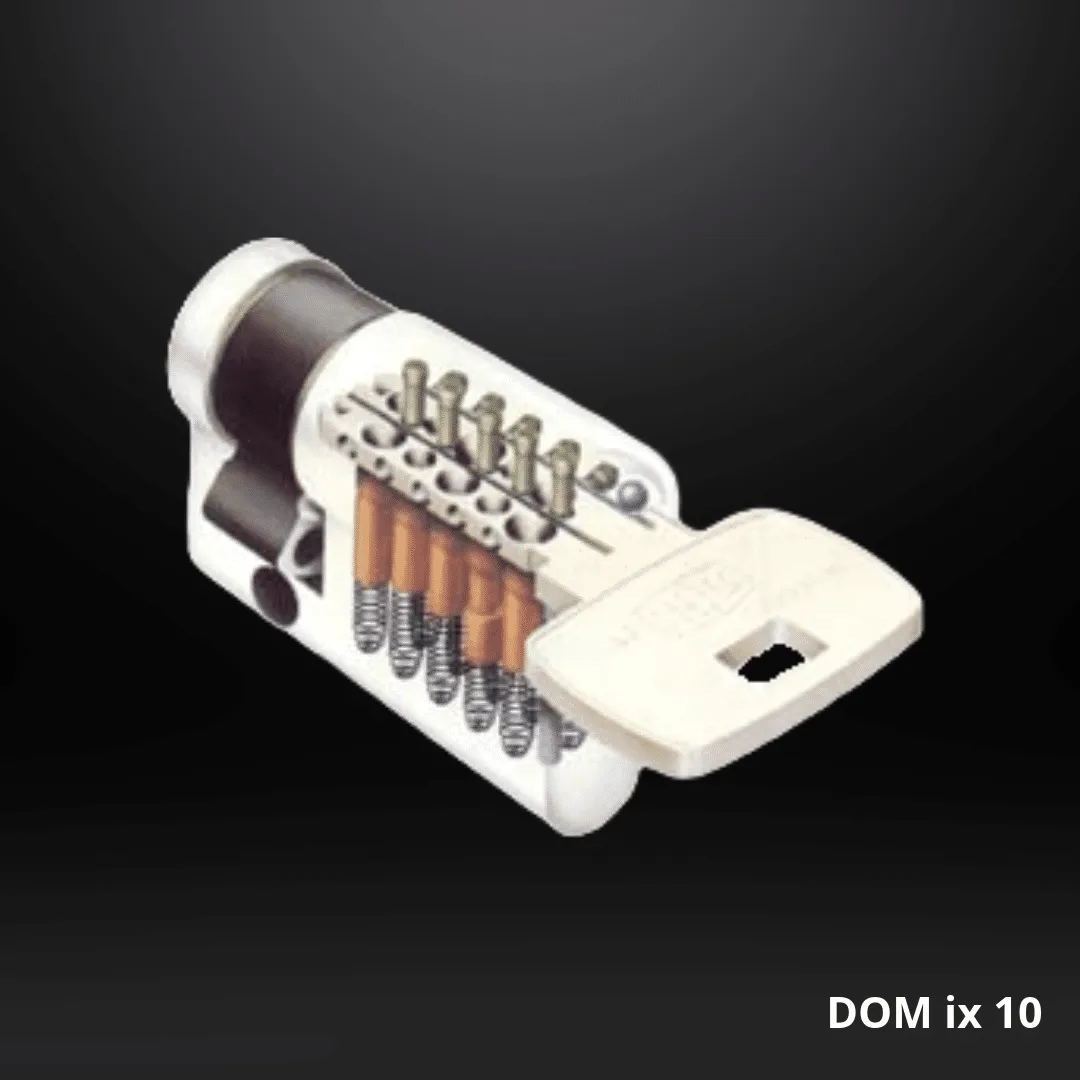
Dimple locks, such as the DOM Xi, often have additional security features. In the image below, you can see an example of such a complex lock. This lock contains a steel ball, also known as a “floating steel ball bearing,” which is pushed up when the correct key is inserted. This ball prevents standard keys or copies without a ball from opening the lock. By combining this ball with the foil impressioning process, the foil shapes around the pins and the steel ball, allowing the lock to be opened anyway.
Tools for Foil Impressioning
A specialized tool for foil impressioning can be seen in this video from Bosnianbill. This tool allows you to quickly and effectively impression a lock, even on more difficult dimple locks.

More Lockpicking Blogs
Want to learn lockpicking? With the right lockpick set and our guides, you can open your first lock within just a few hours. Whether you choose a beginner lockpicking set or professional lockpick tools, our articles will teach you all the techniques step by step.
Open car locks with Lishi 2-in-1 lockpick and more! (2025 Update)
A complete guide to opening car locks with the Lishi 2-in-1 lockpick and decoder. You will learn how this tool works, how to decode a car lock in minutes,...
How can you improve in lockpicking?
Do you want to become faster and better at lockpicking? With these 6 practical tips, you'll learn why you should vary between locks, how to prevent frustration, why regular...
Making a Key with the Lishi Tool in 5 Steps
Lost your key and no locksmith at hand? Learn in 5 steps how to make a new key yourself with a Lishi tool using the impressioning technique, suitable for...

How to open a lock without a key – All lockpicking solutions
Lost your key or locked out? In this article, we discuss all legal ways to open a lock without a key, from lockpicking to alternative techniques. We also provide...