
-
Je winkelmandje is leeg
Ga naar de shop om producten in je winkelwagen te plaatsen
History of Lockpickers
Discover the historical story of the rivalry between locksmiths Solomon Andrews and Robert Newell in 19th century America. Both sought the perfect, unpickable lock, until Newell managed to open both Andrews' lock and his own Parautoptic Lock without a key in a public demonstration. A fascinating chapter in the history of lockpicking.
Author: Ties
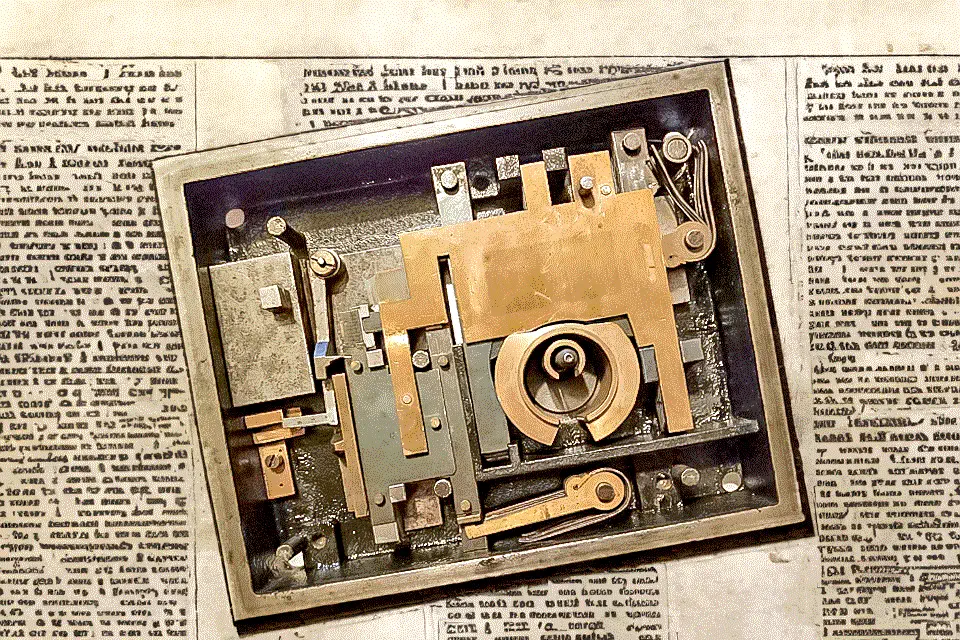
In early 19th century America, a quiet yet intense battle was underway. Two brilliant locksmiths, Dr. Andrews and Mr. Newell, stood in direct opposition to each other in their mission to create the perfect lock. They were determined to make a lock that even the most experienced lockpicker with the best lockpicking tools could not open. But what began as a technical challenge soon turned into a personal rivalry.
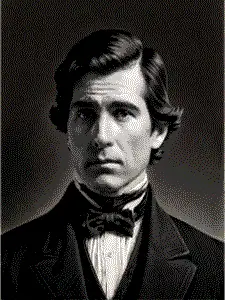
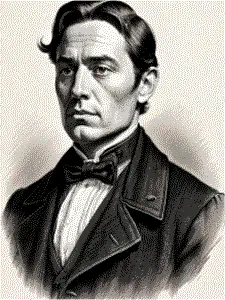
Locksmiths Dr. Andrews and Mr. Newell
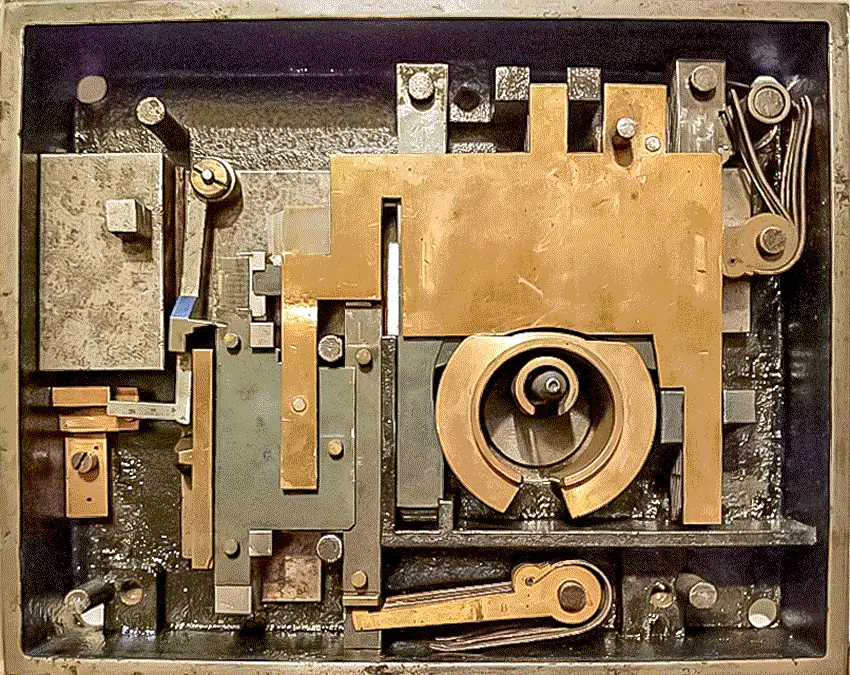
Dr. Andrews was a scientist with a unique approach to lock making. His lock featured movable parts that worked together to block or unlock the bolt. These parts could be set in different configurations. This also allowed the key that opened the lock to be adjusted. This gave the owner of the lock the ability to reset it.
What made Andrews’ design so special was that it significantly reduced the threat of key duplication. Even if someone briefly saw or copied the key, it would not work. This made it much harder for lockpickers to open the lock, even with advanced lockpicking tools for old locks.
But Andrews knew that his work was not perfect. Therefore, he added a detector to his locks, a mechanism that would register attempts to manipulate the lock with lockpicks. It seemed he was one step closer to the ultimate impenetrable lock.
Mr. Newell was an inventor with a keen eye for the weaknesses in others’ designs. When he heard about Andrews’ new lock, he immediately began working on his own design. The result was the Parautoptic Lock, a lock with double tumblers and a steel curtain that shielded the keyhole. This prevented lockpickers from looking through the keyhole to observe the internal workings of the lock.
Newell even went so far as to claim that his lock was absolutely unpickable. To prove his point, he challenged everyone: 0 for anyone who could open his Parautoptic lock without a key. A huge amount for that time.
The Great Challenge
The rivalry between Andrews and Newell reached its peak when Newell decided to put his claims into action. In a public demonstration, Newell managed to open Andrews’ lock using a lockpick set, much to the outrage of his competitor. But Newell was not done yet. He went a step further and demonstrated that he could even open his own “unpickable” lock without a key.
The audience was fascinated, and the press jumped on it. While Andrews continued to believe in the importance of precision and innovation, Newell saw his chance to solidify his reputation as a master locksmith.
This friendly rivalry illustrates how the dynamics between locksmiths and lockpickers continually evolve the world of security. While Andrews focused on refined security techniques, Newell opted for complex layers of protection. Both approaches contributed to the development of modern locks and lockpicking techniques.
Today’s lockpickers also offer locksmiths valuable lessons. And for lockpickers, every lock has a unique story that they can overcome. The use of lockpicking tools makes the craft not only technical but also culturally and historically fascinating.
The story of the rivalry between Andrews and Newell is drawn from the book Construction of Locks by A.C. Hobbs. This book tells many more interesting stories and delves deeper into the rich history of lockpicking. It discusses the foundations of modern locks, as well as the respect that both locksmiths and lockpickers have for the art of security.

More Lockpicking Blogs
Want to learn lockpicking? With the right lockpick set and our guides, you can open your first lock within just a few hours. Whether you choose a beginner lockpicking set or professional lockpick tools, our articles will teach you all the techniques step by step.

Rock’A Lock’A BANG BANG!
Sparrows is organizing the unique lockpick event ROCK'A LOCK'A BANG BANG 2024 in a real prison in Canada. Read all about the intensive training, exciting activities like breaching and...
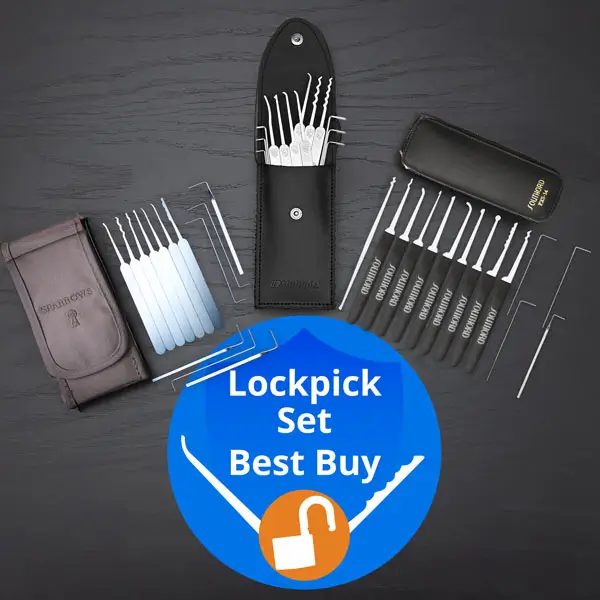
6 Best Lockpick Sets for Beginners [2025 Update]
Looking for the best lockpick set for beginners? In this comprehensive guide, we compare six top sets, from budget-friendly to premium: Sparrows Kick Start, Multipick Elite, SouthOrd C801, Valyrian,...
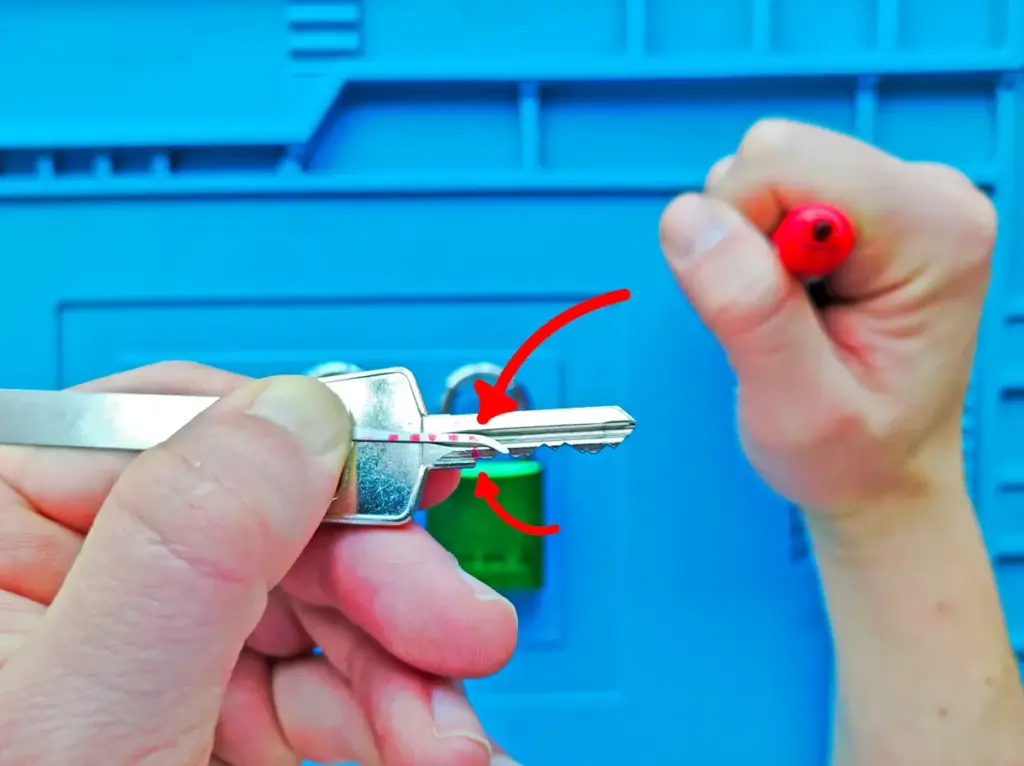
The Marking Technique – Lockpicking for Beginners
Learn how to mark your lockpick with a simple marker to learn lockpicking faster. This life hack gives you visual reference points, so you know exactly how deep to...
Padlock Opening Without a Key – Complete Guide 2025
Padlocks have been used for thousands of years, but many models are vulnerable to simple bypass techniques. In this article, I discuss the construction of a padlock and the...