
-
Je winkelmandje is leeg
Ga naar de shop om producten in je winkelwagen te plaatsen
Lockpicker uses can to initiate lawsuit
A remarkable lawsuit in the lockpicking world: McNally opened a high-security padlock from Proven Industries with nothing more than a soda can. The company filed a lawsuit but lost. In this article, you can read the full story behind this remarkable case and what it means for lock security.
Author: Ties
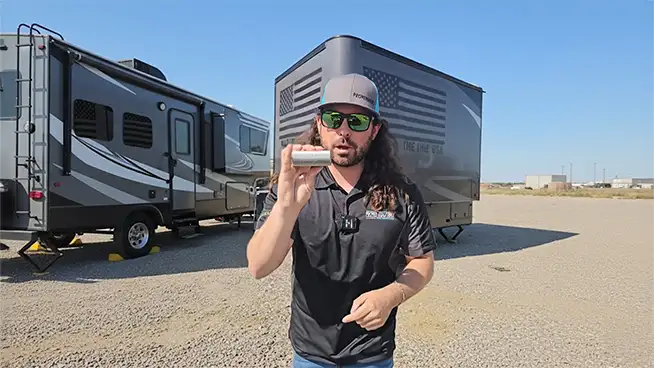
Sometimes the internet is just fantastic. You have drama, lawsuits, and a lock that opens with literally trash. The story of Proven Industries versus Trevor McNally is so bizarre that you couldn’t make it up.
I have to share this because it’s not only entertaining but also important for anyone interested in lockpicking and product security.
It started with a challenge
Trevor McNally is no stranger in the lockpicking world. The man has over 3.5 million followers on YouTube. That’s quite something.
Proven Industries makes padlocks and locks for trailers. Their products cost around 130 US dollars. They wanted to demonstrate how sturdy their items were by making a video testing their lock.
So far, nothing special.
But then something funny happened. Someone commented on Instagram: “Let McNally take a look at it.”
And what did Proven Industries do? They responded with something like: “He doesn’t dare, he only goes for easy locks.”
Big mistake.
A can and three seconds
McNally naturally accepted the challenge. What would you do if a company publicly challenges you?
He made a video where he opened the lock with a piece of aluminum from a soda can. A simple shim. No fancy tools. Just trash.
The video wasn’t even edited. Just one continuous shot from start to finish. He cut the piece of can to size, inserted it into the lock, and click. Open.
The problem lies in the design of the lock. There is a triangular spring that holds the mechanism in place. That spring can easily be pressed down with something thin. Like a piece of can.
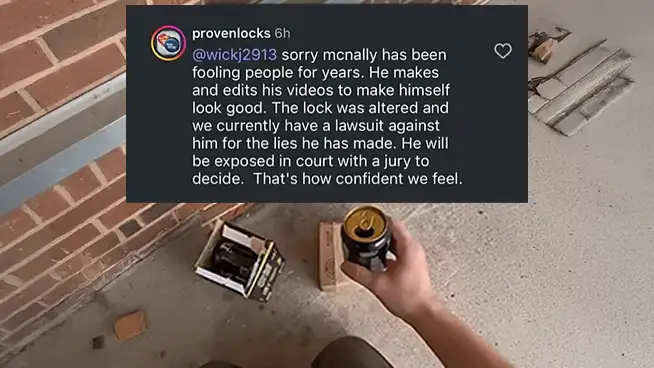
Then McNally made another video. He walked up to an Amazon package locker, took out a Proven lock, and opened it right there with his soda can. Still in one continuous shot.
A million people saw it.
How does a shim work exactly? McNally explains in the video below how the lock from Proven Industries technically works and why the shim method is so effective. It involves a simple spring that can be pressed down with a thin piece of metal.
The lawsuit that no one expected
Proven Industries could do two things. They could improve their design and be transparent about the problem. Or they could file a lawsuit.
Guess what they did?
They filed a complaint in the Florida court, see: https://storage.courtlistener.com/recap/gov.uscourts.flmd.441411/gov.uscourts.flmd.441411.1.0.pdf. The complaint was impressively long and full of legal terms. They accused McNally of copyright infringement for using a piece of their promotional video. They also claimed that he damaged their reputation and lied about their product.
They demanded that McNally remove all videos and stop creating new content about their locks.
Note: Proven Industries even went so far as to try to contact McNally’s wife via her private number. McNally stated: “They contacted my wife’s private number with a message that appeared like they’re trying to get a hold of me.” This was clearly an intimidation attempt that completely crossed the line.
They even tried to approach his wife. That really went too far.
The legal dream team
McNally, however, had a lawyer who was no ordinary person. Ken Turkel. That name might not mean anything to you, but this man represented Hulk Hogan in the lawsuit against Gawker.
Hogan won that case. Gawker went bankrupt.
Proven Industries had thus sought a legal battle with someone who had a very good lawyer. And McNally also had millions of fans supporting him.
The lockpicking community stood behind him. Reactions exploded on Reddit. People made jokes about how Proven Industries completely embarrassed themselves.
The judge said no
Proven Industries asked the judge for an emergency measure. They wanted McNally to remove his videos immediately.
The judge dismissed this.
In Florida, there is something called anti-SLAPP legislation. SLAPP stands for Strategic Lawsuit Against Public Participation. It means you cannot file a lawsuit to silence someone who is being critical.
If you file such a lawsuit and lose, you even have to pay the other party’s attorney fees.
Proven Industries probably saw this coming. They withdrew their lawsuit. But they did so without conditions. This means they can technically restart the case if they want to.
The question is, of course, why would you do that after such a public embarrassment?
What we can learn from this
This story is funny, but also important. It shows how transparency works in the modern world.
Proven Industries could have acknowledged the problem. They could have said, “Thank you for testing, we will adjust the design.” That would have earned respect.
Instead, they tried to hide the problem with legal pressure. That doesn’t work anymore in 2025.
If you make something that is supposed to protect people, it must actually protect. Not just against brute force, but also against simple tricks. A lock that opens with trash is not a good lock.
This is exactly why it is important to use good lockpicking sets when you want to test locks. You learn how locks work and where the weak points are.
The community reacts
The lockpicking world was unanimous. Everyone stood behind McNally. Support on forums and social media was enormous.
People shared stories about how their own Proven locks had been broken into. One person said thieves had stolen his trailer after they opened the Proven lock in just a few minutes.
Others made jokes. Someone said, “It would be great if the judge bought a Proven lock and McNally opened it in the courtroom.”
Another wrote: “This is the lockpicking version of John Wick. They killed his dog.”
The humor was there, but the message was serious. If you make a product that is supposed to protect people, you must accept criticism.
Why this is important
You might think: “Nice story, but what does it matter?”
It matters because this is about consumer protection. If a company claims that their product protects your property, but that product fails a simple test, then people need to know that.
McNally did nothing illegal. He tested a product that was being sold on the market. He shared his findings. That is exactly what reviewers and testers are supposed to do.
If we allow companies to censor this kind of criticism with lawsuits, then everyone loses. Consumers can no longer make informed choices.
This also applies to lockpicking as a hobby. If you want to learn how locks work, you need to be able to practice and experiment. You need practice locks to get started, and you should be able to learn from experts like McNally.
The future
Proven Industries has withdrawn the case, but they have indicated that they can start it again.
That doesn’t seem like a smart plan to me. They have already suffered enormous damage. Their reputation is damaged. People no longer trust their products. And they have shown that they cannot handle criticism.
Meanwhile, McNally just continues doing what he has always done. Testing locks and sharing his findings with millions of followers.
The lockpicking community continues to grow. More and more people are discovering how fun and educational this hobby is.
What can we take from this?
First: don’t make claims you can’t back up. If you say your lock is unbreakable, make sure it really is.
Second: accept criticism. If someone finds a problem with your product, use that to make it better. Don’t start a lawsuit.
Third: the lockpicking community is loyal. If you attack one of them, you will have to deal with all of them.
And fourth: never underestimate the power of a soda can.
Do you want to learn how locks work yourself? Start with a good foundation. At Lockpickings, we have everything you need to get started with lockpicking as a hobby. From beginner sets to professional tools.
The lesson for lock manufacturers
If you make locks, you need to understand that they will be tested. By professionals, by hobbyists, and sometimes by criminals.
The best thing you can do is test yourself before your product hits the market. Let experts take a look. Ask for feedback.
And if someone finds a problem anyway? Thank them. Improve your product. Show that you take it seriously.
That’s how you earn respect in this industry. Not by hiring lawyers, but by being honest about what your product can and cannot do.
Finally
The story of Proven Industries versus McNally is not quite over yet. There may still be developments. But the main lesson is already clear.
In the age of social media and transparency, you can no longer sweep problems under the rug. You cannot silence people with lawsuits. The truth always comes to light.
And sometimes that truth comes in the form of a soda can.
For now, we will continue to follow the case. And who knows, I might write an update soon if there are new developments.
Until then: keep practicing, keep learning, and keep thinking critically about products that claim to protect you.
Are you new to the world of lockpicking? Check our blogs for more stories, tips, and explanations about how locks work and how to practice safely.

More Lockpicking Blogs
Want to learn lockpicking? With the right lockpick set and our guides, you can open your first lock within just a few hours. Whether you choose a beginner lockpicking set or professional lockpick tools, our articles will teach you all the techniques step by step.
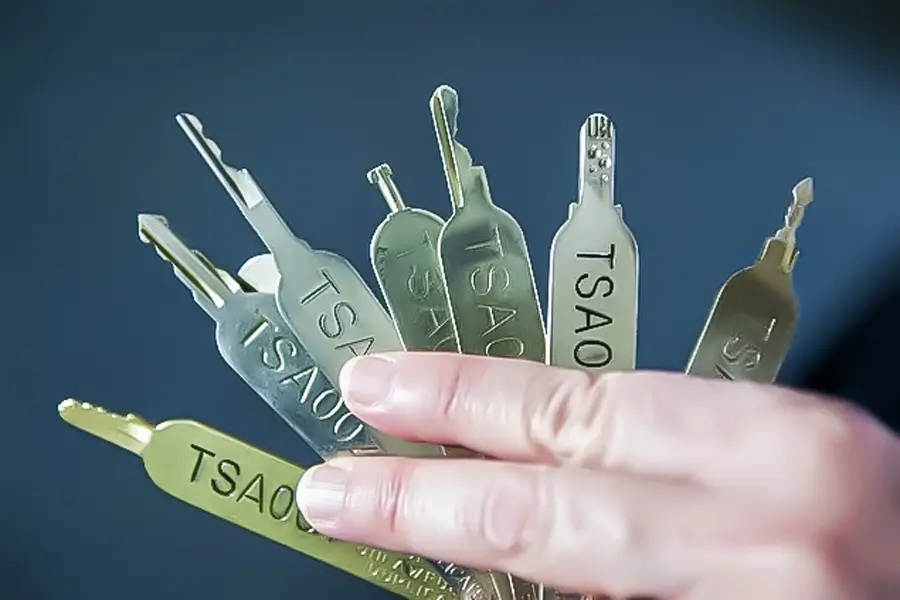
Replicating a TSA Master Key with a Photo
TSA locks have a secret master key that allows baggage inspectors to open suitcases. When a photo of all TSA keys appeared online, lockpickers could easily replicate them. This...
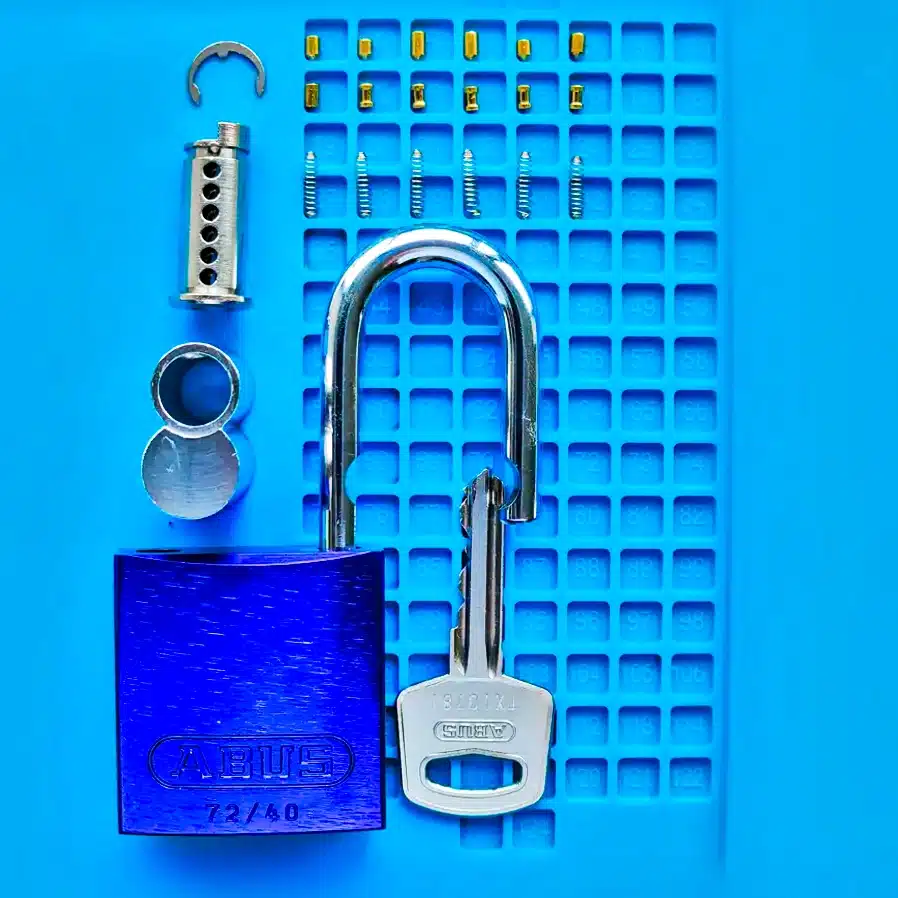
Setting Up a Practice Lock Yourself
Learn step by step how to create your own lockpicking practice lock from an ABUS 72/40 padlock. From disassembling the cylinder to progressively repinning: this comprehensive guide helps you...
Pin Tumbler Locks Guide
Our blog offers an in-depth look at Pin Tumbler locks and lockpicking, with insights for both newcomers and experts. We explore how Pin Tumbler locks work, discuss specialized lockpicking...
Opening Tubular Lock with Toilet Roll
Radial locks that secure laptops and filing cabinets appear safe, but in practice, they prove surprisingly vulnerable. In this article, I show how a simple piece of cardboard from...