
-
Je winkelmandje is leeg
Ga naar de shop om producten in je winkelwagen te plaatsen
Opening Tubular Lock with Toilet Roll
Radial locks that secure laptops and filing cabinets appear safe, but in practice, they prove surprisingly vulnerable. In this article, I show how a simple piece of cardboard from a toilet roll, or even a straw, can be shaped into a tubular lockpick that can open such a lock without damage, and why this is an important lesson about physical security.
Author: Ties
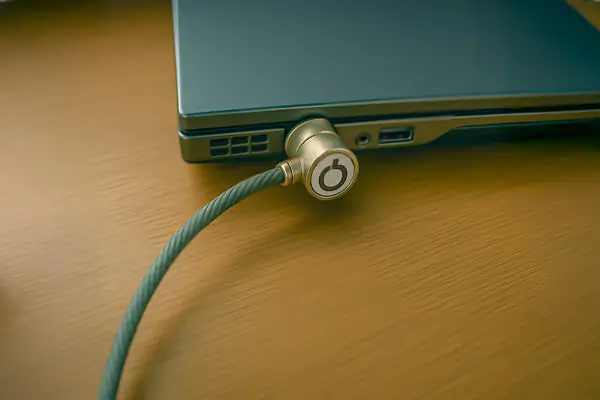
Laptops and filing cabinets are sometimes secured with a cheap radial lock. With such a lock, a laptop can be attached to a desk or other object. Although these locks are presented as secure, in practice, they are relatively easy to open, sometimes even without specialized tools.
A surprising method uses an everyday object: a piece of cardboard from a toilet roll or even a straw. This technique requires some precision in preparation, but the result is remarkable.
What do you need?
- A cardboard toilet roll (or a straw)
- A pen (to shape it)
- Tape
How does it work?
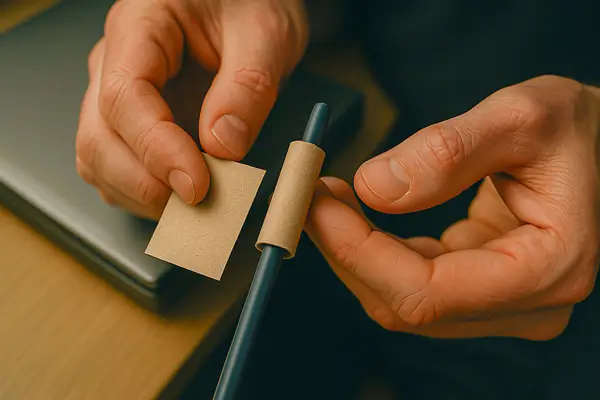
- Cut a narrow strip from the toilet roll.
- Wrap the cardboard tightly around a pen to form a sturdy cylinder.
- Secure the roll with tape so it retains its shape.
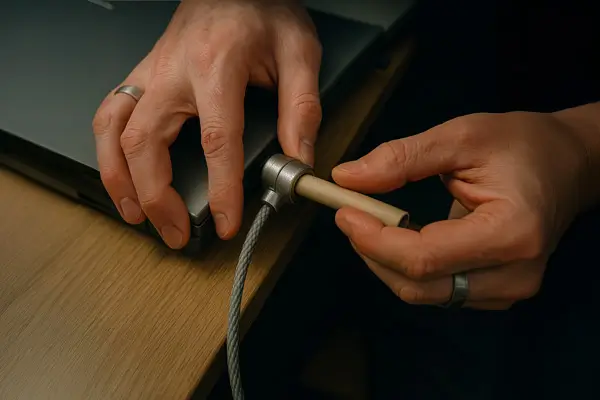
- Insert the cardboard roll into the Kensington lock.
- Move or twist slightly — and the lock can open without causing damage.
Why this is important
This shows how unreliable physical security can be. Good security does not come from secrecy, but from good design. By investigating and sharing these vulnerabilities within a responsible framework, both users and manufacturers can make better choices.
Opening the Lock with a Straw
Another creative solution is using a straw. A straw with a diameter of about 5mm can sometimes be large enough to fit into a small (cheap) radial lock. By inserting the straw into the lock and pressing the pins into the straw, you can create a second key.
Curious how that works? Check out this video:
Professional solution
Although this method is creative, we recommend using a tubular lockpick set for training and professional purposes. These lockpicks are specifically designed for opening tubular locks like those used in radial locks. They offer more control and precision.

More Lockpicking Blogs
Want to learn lockpicking? With the right lockpick set and our guides, you can open your first lock within just a few hours. Whether you choose a beginner lockpicking set or professional lockpick tools, our articles will teach you all the techniques step by step.
My First Abus Lock Lockpicking
Discover how to lockpick the challenging ABUS 72/40 with step-by-step tips on raking, single pin picking, and using the right tension wrench. Also learn about the marking technique and...
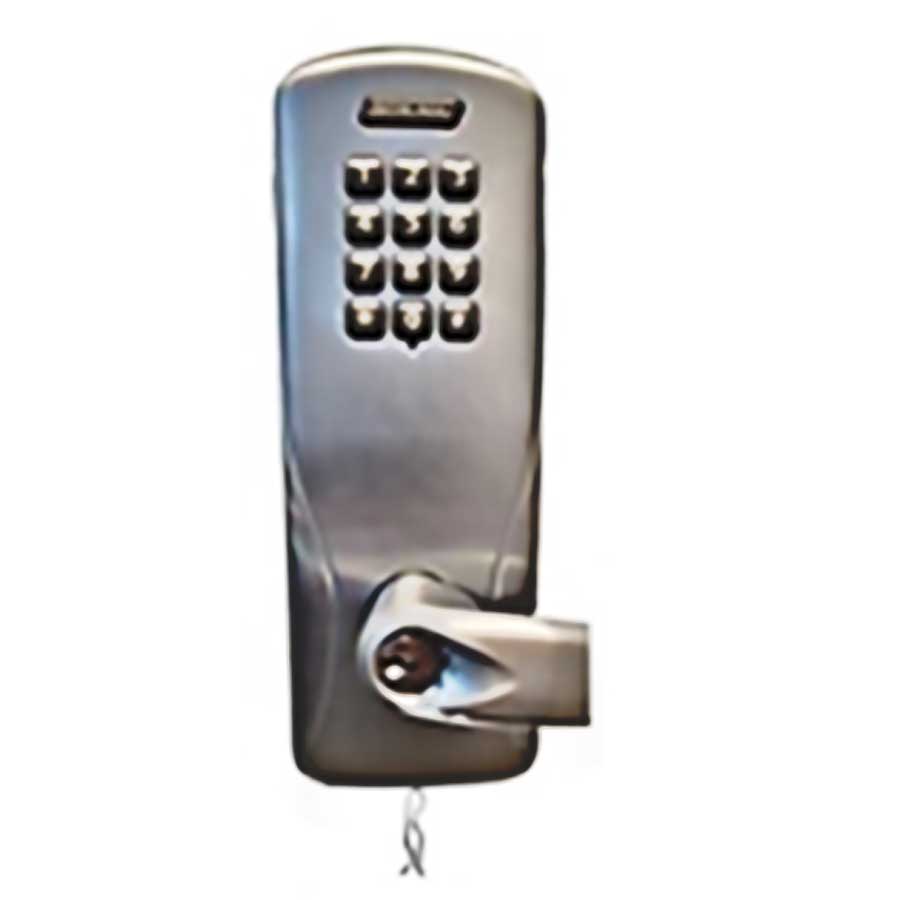
Opening a €500 Lock with a Tie Wrap
A simple tie wrap proves enough to open the Schlage CO-100, a lock costing around €500, in seconds. Discover how this surprising bypass technique works, how manufacturer Allegion responded...

Lockpickers United (LPU) – Belt Ranking System & Community
Lockpickers United (LPU) is an international community for lockpickers with a unique Belt Ranking System. This guide explains what LPU is, how to join via Reddit or Discord, how...
The real costs of a locksmith in 2026
What does a locksmith really cost in 2026? In this article, we discuss the fair rates for opening a closed door, how to recognize fraudulent locksmiths by warning signs,...