
-
Je winkelmandje is leeg
Ga naar de shop om producten in je winkelwagen te plaatsen
How sound can betray your key and open your lock
Researchers from the National University of Singapore discovered that the sound of a key in a lock reveals what that key looks like. With the SpiKey app and just a smartphone microphone, the clicking sounds can be analyzed to determine the depths of the cuts, after which a duplicate key can be made. Discover how this surprising acoustic technique works.
Author: Ties
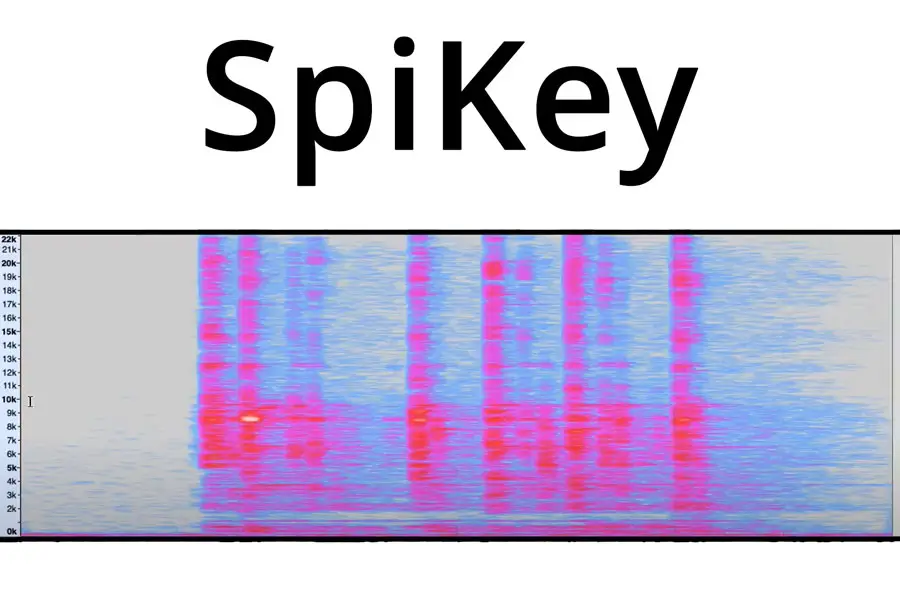
Did you know that the sound of your key can tell you a lot? Researchers from the National University of Singapore have discovered how the sound of a key pattern can be analyzed. This can all be done with an app like SpiKey. All you need is a smartphone with a good microphone.
How does it work?
When you insert a key into a lock, it creates a unique rattling sound. The pins in the lock hit the ridges of the key, causing multiple clicking sounds. These clicks contain information about the shape of the key. SpiKey analyzes these sounds and converts them into a digital pattern. This way, you can open a lock without a key by determining the exact shape of the key.
What do you need?
All you need is a smartphone with a microphone. The app SpiKey does the rest. It records the sounds and analyzes them. With just a few clicks, you can already see what a key looks like. No complicated tools, just technology and sound.
So how do you make a key from sound?
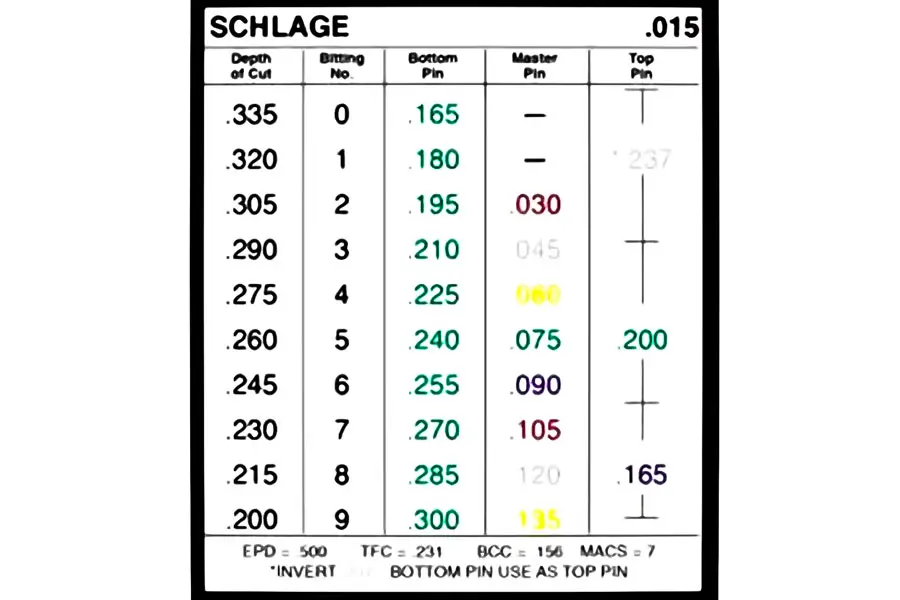
Every key has a fixed pattern of cuts, with different depths for each pin in the lock. These depths are standardized by manufacturers. For example, if a pin is 3 deep, it means that the corresponding cut in the key must also have a depth of 3. SpiKey listens to the clicks and calculates the time between the sounds. These time intervals correspond to the distances between the ridges and the depths of the cuts in the key. By combining this with the standard factory values, the app can create a list of possible key patterns.
Suppose a key has six cuts and SpiKey recognizes that the clicks correspond to depths of 2, 4, 3, 7, 5, and 6. The app can use this information to generate a key pattern. A duplicate of the key can then be made with a key machine. The result is a copy that fits perfectly into the original lock.
Get started yourself
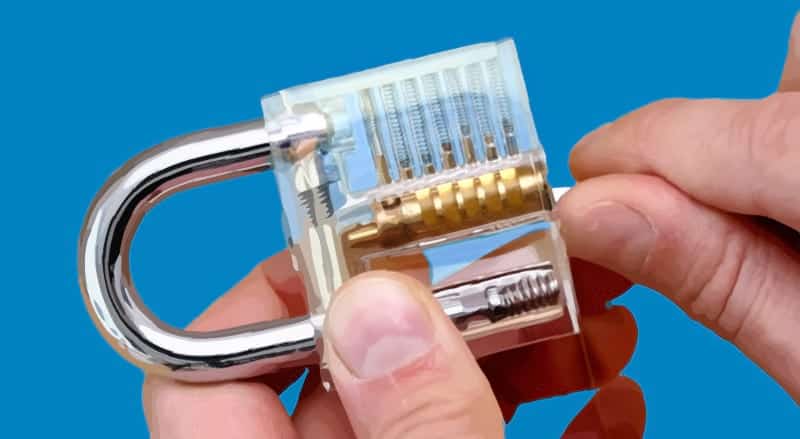
Are you inspired to learn more about how to open a lock without a key? Then consider a lockpick set. This allows you to practice and learn how different locks work. It’s a fun and challenging hobby that keeps your skills sharp. We also have a educational guide for beginners where you can learn how locks work.
Sources and more information
The technology behind SpiKey was developed by researchers from the National University of Singapore. Their research “Listen to Your Key: Towards Acoustics-based Physical Key Inference” is a great resource if you want to dive deeper into the technology.

More Lockpicking Blogs
Want to learn lockpicking? With the right lockpick set and our guides, you can open your first lock within just a few hours. Whether you choose a beginner lockpicking set or professional lockpick tools, our articles will teach you all the techniques step by step.

Spy Gadgets that Russia doesn’t want to share with you
Physical security and spy tools surprisingly often go hand in hand. In this article, we look at a number of compact spy gadgets and hidden lockpick tools that are...
How can you improve in lockpicking?
Do you want to become faster and better at lockpicking? With these 6 practical tips, you'll learn why you should vary between locks, how to prevent frustration, why regular...

How to open a lock without a key – All lockpicking solutions
Lost your key or locked out? In this article, we discuss all legal ways to open a lock without a key, from lockpicking to alternative techniques. We also provide...

What Types of Locks Are There?
Discover which types of locks you encounter in Europe: from padlocks and profile cylinders to oval cylinders, knob cylinders, interchangeable cores, and wall or mortise locks. This guide explains...