
-
Je winkelmandje is leeg
Ga naar de shop om producten in je winkelwagen te plaatsen
Bump Keys and What Property Managers Need to Know
Bump keys can easily open pin cylinder locks. This article explains how bumping works, how effective it is, and how you can tell if a lock has been bumped. You will also read about the measures property managers can take to better secure their properties.
Author: Ties
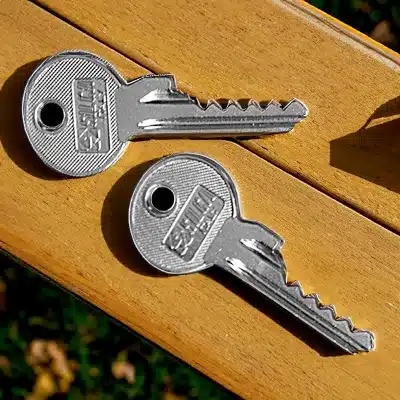
What is a Bump Key?
When purchasing a door lock, you may assume that the door provides you with security. However, if someone knows how to cut or use a bump key, a door lock can be just a minor obstacle.
Bump keys (sometimes also called slam keys) are specially cut keys that can be used to open pin cylinder locks. This type of lock is the most common lock worldwide and is often seen in the front doors of homes. The process of using a bump key to open a lock is called “bumping” and can be very effective.
How Does It Work?
A bump key (or bump key) has notches that are cut to the maximum depth. Any key blank can thus be converted into a bump key. Bump keys (bum keys) are made for a specific type of lock. A bump key for a Yale lock must therefore be made from a Yale key. A complete set of bump keys contains keys for all major lock manufacturers.
Keys work because they align the small pins in the lock with a bump. Once the pins are correctly aligned, the cylinder turns and the lock can be operated. When using a bump key, the key is pulled back one notch as soon as it is inserted. While light turning pressure is applied to the key, it is bumped into the lock with an object or by hand. A special bump hammer is the most recommended tool for this, as it can provide the perfect bump. Using a regular hammer can damage the lock. This causes the pins to jump slightly upward, allowing the bump key to turn the cylinder and open the lock.
How Effective Are Bump Keys?
The success of bump keys depends on practice and the quality of the key and the lock. More expensive locks with high-quality components are often better protected against bump keys. Keys made of soft metal can quickly deform and get stuck in the lock, making them difficult to remove.
How Can I Tell if a Lock Has Been Bumped?
In some cases, you can see that someone has used a bump key on a lock. You will see a small dent just above the keyhole. Some older, softer locks may also have dents without having been bumped. It is also possible to make bump keys that leave no dents, making it difficult to determine if a lock has been bumped. Bump key rings can also help with this.
Can I Buy a Bump Key?
Owning or having a bump key is not illegal, just like lockpicking. Bump key sets and instructional videos are available online. To obtain a bump key, you basically only need to identify the manufacturer of the lock and order a blank key of that type online. Another option is our online collection.
How Can I Improve the Security of My Home?
Many SKG-3 locks are protected against bump keys. However, other locks that use a key and the pin-tumbler system are vulnerable to bumping. There are no standards that demonstrate resistance to bumping. The resistance of a mortise lock to bumping varies by manufacturer. Electronic locks with a key override are also vulnerable.
Bump-resistant locks are rare and expensive. Bump key-resistant locks are much more common. Some (but not all) lock manufacturers include bump-resistant features in their newer locks.
Without purchasing a new, bump-resistant lock, consumers have two options. Usually, a locksmith can replace the original lock pins with special security pins, such as mushroom pins, for less than 20 euros, depending on the manufacturer. Although these pins improve the resistance of the lock, they do not make the lock bump-proof.
Assa Abloy is a company that makes high-end locks. They can provide bump-proof lock cylinders for which a duplicate key is only available through Assa Abloy authorized dealers. Their cylinders start around 100 euros, although their cheaper cylinders may not be bump-proof.
Does Insurance Cover Theft?
If a home is burglarized using a bump key, the theft may or may not be covered by insurance, depending on how the policy is written. If evidence of a break-in is required, it may be difficult to cover the theft. Consult your insurance agent for questions about this.
Although bump keys have existed for over 50 years, their existence has become more widely known with the rise of the internet. Consumers need to be aware of this potential danger to the security of their homes.
In short, property managers should warn their tenants to ensure that their door locks are adequately secured to prevent unauthorized access by someone with a bump key. Taking additional security measures, such as installing an alarm system, can provide homeowners with extra protection for their property.

More Lockpicking Blogs
Want to learn lockpicking? With the right lockpick set and our guides, you can open your first lock within just a few hours. Whether you choose a beginner lockpicking set or professional lockpick tools, our articles will teach you all the techniques step by step.
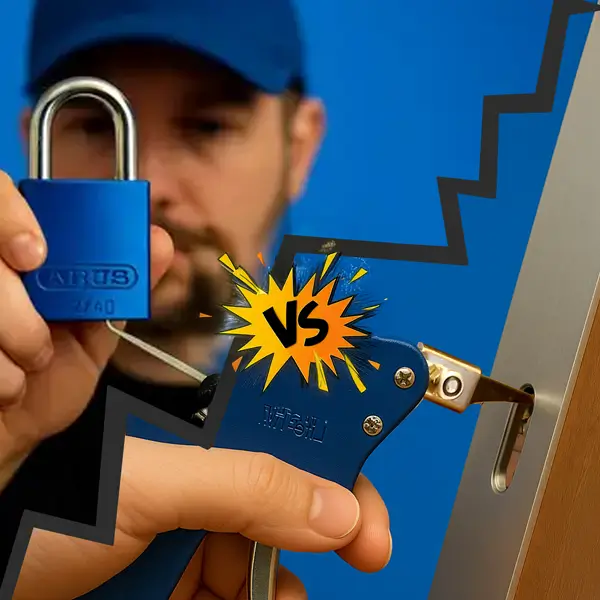
Lockpick Gun vs Lockpick Set | What Is The Best Choice?
Do you have a lockpick gun and are unsure if you should also purchase a lockpick set? In this article, I compare speed versus skill development, noise, effectiveness with...
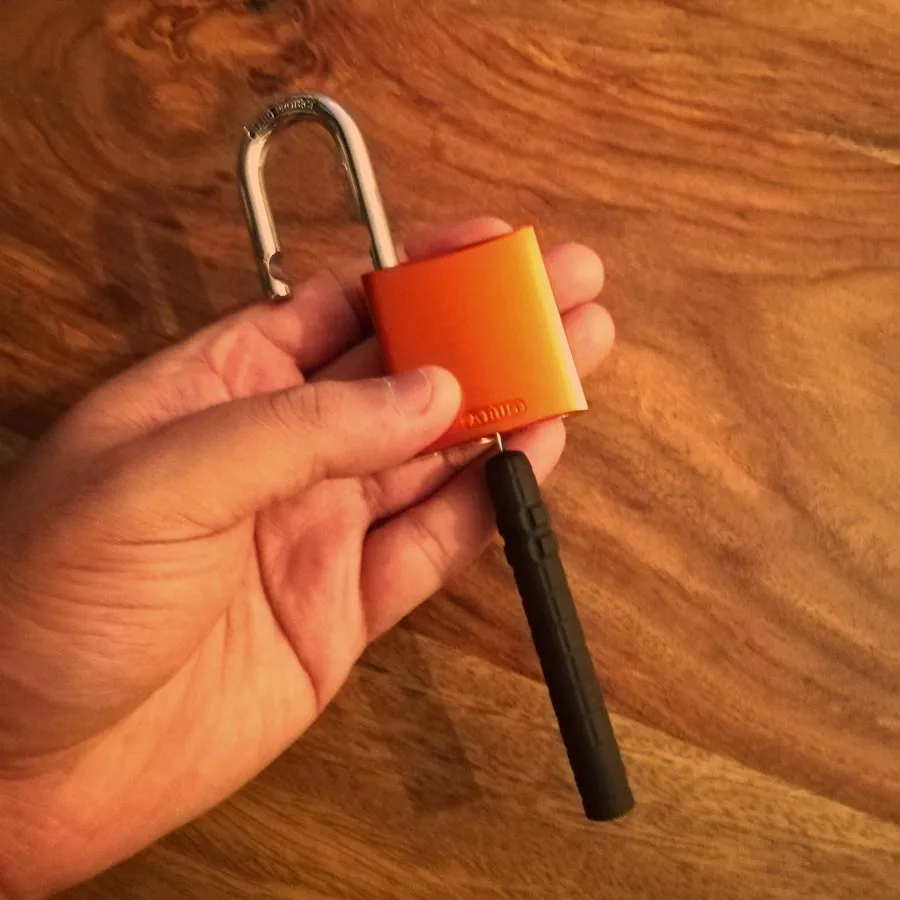
ABUS Bypass Driver – Open ABUS 72/40 Padlock
The ABUS 72/40 is a popular padlock, but it has a notable weakness: the Bypass Driver technique. In this article, I will explain step by step how this bypass...
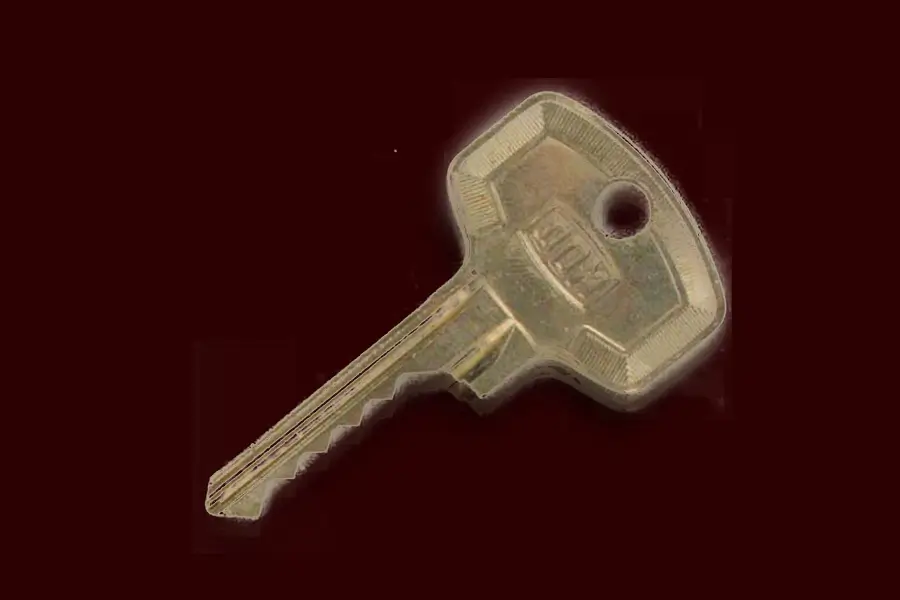
Lockpicking and Bumping
Discover how bumping works as a lockpicking technique to open pin tumbler locks. We explain how a bump key functions, which methods such as the Rebound and Micro-Movement methods...
Open radial lock with lockpicks
Radial locks, or tubular locks, may look complicated but are actually very easy to lockpick with the right tubular lockpick. Discover how this round lock is constructed, what tools...