
-
Je winkelmandje is leeg
Ga naar de shop om producten in je winkelwagen te plaatsen
What is Locksport? Guide to Our Hobby and Sport
Discover what locksport is: the popular hobby of opening locks without a key, purely for the challenge. In this comprehensive guide, you will read about the history of lockpicking, the role of TOOOL Netherlands, important techniques such as Single Pin Picking and raking, the ethical rules within the community, and how you can easily get started with this fascinating puzzle sport.
Author: Ties
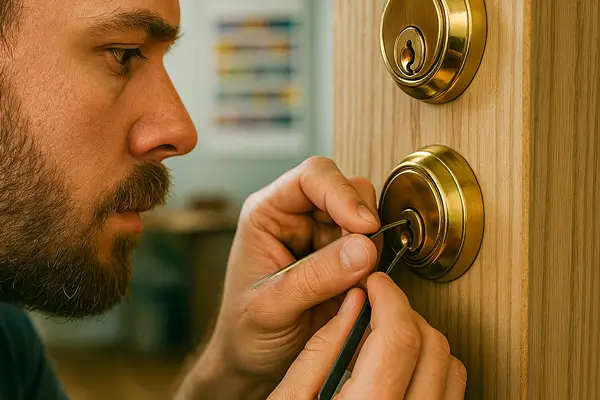
Locksport
– it may sound mysterious, but it is simply the sport and hobby of opening locks without the original key. Not to break in (absolutely not!), but purely for the fun, the challenge, and the technical insight it provides.
I notice it daily in my web shop: more and more people are discovering lockpicking as a fascinating hobby. Whether it’s students looking for relaxation after a study session, IT professionals who prefer physical puzzles over digital code, or just curious individuals wanting to understand how locks work.
In this comprehensive guide, I will take you into the world of locksport. You will learn what it is, how to get started, what techniques exist, and why thousands of people worldwide are addicted to this unique pastime.
What is Locksport?
Let me explain it clearly: in locksport, you open a lock without the original key by cleverly using the internal mechanism. You do not use brute force, but manipulate pins or components inside with special tools. It’s as if you are convincing the lock that you are the right key.
Locks as Puzzles
What personally attracts me the most in lockpicking? It’s the puzzle aspect. Every lock is a riddle waiting to be solved. Some locks are simple sudokus, others are complex escape room challenges. The feeling when the pins finally fall into place and the cylinder turns – that is pure euphoria.
I still remember my first lock. A simple padlock that I tried to open for three evenings. When I finally succeeded, I was so excited that I immediately went to the hardware store to buy five more. That addiction, that is locksport.
The Difference with Criminal Activities
Important: Locksport revolves around a golden rule: you ONLY open locks that are yours or for which you have explicit permission. This rule is held sacred within the community.
What distinguishes locksport from criminal activities is the intent and context. Lockpickers are not budding burglars. On the contrary, many lockpickers actually help locksmiths and security companies discover and improve weaknesses.
The Fascinating History of Lockpicking
The history of lockpicking is actually the history of humanity itself. As soon as the first lock was invented (around 4000 years ago in ancient Egypt), someone else probably tried to open it.
From Louis XVI to Modern Times
One of my favorite historical facts: Louis XVI, the French king from 1779 to 1792, was a passionate locksmith and lockpicker. He spent hours designing and manipulating locks as an intellectual challenge. Who would have thought?
Lockpicking at World Expositions
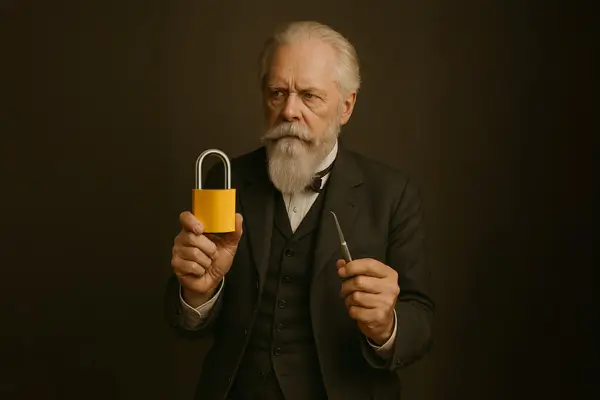
In the 19th century, spectacular lockpick demonstrations attracted a lot of attention. The American safecracker Alfred C. Hobbs managed to open two supposedly unbreakable locks during the 1851 World Exposition in London: the Bramah lock and the Chubb lock system.
This was a game-changer. Hobbs demonstrated that no lock is completely infallible. This is a lesson we still learn today in locksport.
It wasn’t until the late 20th century that lockpicking as a recreational activity really took off in clubs. In 1991, the famous MIT Guide to Lock Picking was published. This manual from the hacker culture of MIT made knowledge about lockpicking more accessible to everyone.
The first real lockpick association was founded in 1997 in Germany: Sportsfreunde der Sperrtechnik Deutschland e.V. (SSDeV), established by members of the Chaos Computer Club. This group explicitly saw lockpicking as a sport and began organizing competitions.
Locksport in the Netherlands
In 2001, the Netherlands followed with the establishment of TOOOL (originally NVHS). TOOOL quickly grew into a leading locksport community that is still thriving today.
TOOOL: The Open Organisation Of Lockpickers
Let me tell you about the organization that really made locksport big in the Netherlands: TOOOL (The Open Organisation Of Lockpickers). And no, those three O’s are not a typo – they stand for “Oefenen, Oefenen, Oefenen” or in English “practicing Over, Over, and Over again”.
International Growth
Since its founding in 2001, TOOOL has grown from a small group of enthusiasts into a global movement. There are now active TOOOL chapters in various countries:
- TOOOL US – extremely large in the United States
- TOOOL UK – active in the United Kingdom
- TOOOL AU – the Australian branch
- And of course TOOOL NL here in the Netherlands
Meetings and Sports Evenings
What I find so valuable about TOOOL are the regular meetings. In Amsterdam, they are every Thursday, in Eindhoven every Tuesday. So if you want, you can literally practice lockpicking every week!
Pro tip: On a typical TOOOL evening, there are usually about 10 active members who come every time. The lockpicking community in the Netherlands has about 70-78 members, both women and men. The atmosphere is always friendly and eager to learn.
During such an evening, you see people concentrated at tables with picks and various locks. You occasionally hear a metallic click or the clinking of tools. When someone finally opens a tricky lock, excited whispers or even applause fill the room.
Beginners Welcome!
A question I often get in my web shop: “Can I attend a TOOOL evening as a beginner?” The answer is often a resounding yes! In fact, if you let the members know in advance that you are coming, they will bring special beginner lockpick sets for you.
For beginners, there are locks with only one or two pin stacks. This way, you can learn step by step how to open a lock without being overwhelmed by complexity right away.
Why Pick Locks as a Hobby?
I often get this question: “Why on earth would you want to open locks for fun?” Let me take you through the reasons why thousands of people worldwide are addicted to this hobby.
The Intellectual Challenge
First, there is the mental stimulation. A lock is essentially a mechanical puzzle. The satisfaction you feel when the cylinder turns is akin to solving a difficult sudoku or cracking a code. It’s that eureka moment we all crave.
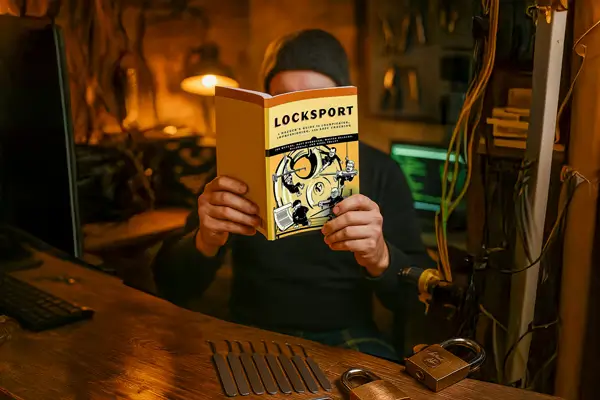
Jos Weyers, a prominent TOOOL member, co-authored the book “Locksport – A Hacker’s Guide To Lockpicking, Impression and Safe Cracking
“. This thick book covers almost every aspect of lockpicking and shows how deep this rabbit hole goes.
The Social and Sportive Element
Lockpicking is not something you do alone. Yes, you can practice at home by yourself, but the real magic happens in the community. It’s fun to do it together, exchange tips, and engage in healthy competition.
Competitions or “race-pick” duels make it exciting. It’s a unique hobby where collaboration and competition go hand in hand. Beginners are warmly welcomed and guided by experienced pickers.
Curiosity and Knowledge Sharing
Lockpickers are naturally curious people. We want to know how things work. We enjoy understanding security mechanisms. It’s satisfying to discover what happens inside such a mysterious lock.
This open, eager-to-learn attitude leads lockpickers to regularly uncover vulnerabilities. Not to exploit them, but rather to improve locks through open knowledge sharing.
Lockpicking provides a “hands-on” experience in the digital world of hacking. You hack physical locks. Sometimes you can spend entire evenings fiddling with a lock that suddenly opens. Later, you’ll try to open that lock faster. With a whole box full of locks, you can really fill entire evenings with it.
Practical Self-Reliance
Finally, lockpicking has a practical advantage. You learn skills that come in handy in emergencies. Someone who can open their own lock after losing a key saves themselves an expensive locksmith and keeps the lock intact.
Of course, this is a double-edged sword. In the wrong hands, these skills can be misused. That’s why the community always emphasizes responsibility. For hobbyists, it mainly offers a reassuring sense of self-reliance.
How to Start with Lockpicking?
Okay, you’ve become interested. But how do you actually start? Let me guide you through the first steps.
Step 1: Get a Beginner Lockpick Set
A good lockpick set for beginners contains at least:
- 3 hook picks – these are the workhorses for single pin picking
- 1-2 rake picks – for faster techniques
- 3 tension wrenches – in different thicknesses and shapes
We are currently working with other experts on an interesting set. Of course, I have to promote this myself, but there is a whole analysis behind the lockpick set (see product description). The lockpick set is not yet in its final phase, but you can already order the GrimGo Proto Lockpick Set.
Step 2: Start with Simple Practice Locks
To practice, use a simple padlock or a transparent training lock where you can see how it works. A regular cylinder lock in a vice also works well to gain experience.
Insider tip: There are special progressive practice locks, where each step becomes more difficult. You can also make these yourself by starting with few pins and then gradually adding more.
Step 3: Learn the Basic Techniques
The first technique for beginners is Single Pin Picking (SPP). Here, you set each pin to the correct height while maintaining light tension with your tension wrench.
Golden tips for SPP:
- Use as little force as possible on the tension wrench
- Adopt the motto: “light tension, heavier pins”
- If you notice that nothing is moving anymore? Then you are applying too much pressure – reduce the pressure
- Listen to the feedback from the lock – every click tells a story
- Patience is key – sometimes you need to work for ten minutes on a lock
Step 4: Join the Community
Attend a TOOOL meeting or join online communities. On Reddit, for example, you can find r/lockpicking where thousands of lockpickers share tips, answer questions, and celebrate successes daily.
Key Lockpicking Techniques
Now that you know how to get started, let’s dive deeper into the various techniques that lockpickers use.
Single Pin Picking (SPP)
SPP is the fundamental technique that every lockpicker must master. The idea is simple, but the execution requires practice:
- Place a tension wrench in the bottom of the keyhole
- Apply light tension in the direction of the lock’s rotation
- Feel with your pick which pin binds first (is stuck)
- Push that pin up until you feel a small “click”
- Repeat for all pins until the lock opens
It sounds simple, but it comes down to feel. You need to learn to distinguish between a binding pin (which is stuck), a set pin (which is at the correct height), and an overset pin (which has been pushed too far up).
Raking
Raking is a faster technique where you move a rake pick quickly back and forth over all the pins, hoping they all fall to the correct height by chance.
Raking works excellently on cheaper locks with loose tolerances. For security locks, SPP is often more effective. But for beginners, raking can be motivating because you sometimes see results within seconds.
Bumping
With bumping⟧ or bumping, you use a special “bump key” that makes all the pins jump up simultaneously with a tap. This is a controversial technique because it works quickly but requires little skill.
Note: Bumping and lockpick guns are not educational for beginners. Focus instead on traditional picks and tension wrenches so you understand what happens inside the lock.
Impressioning
Impressioning is what Jos Weyers does like a lock whisperer practicing “black magic”. With a blank key and a file, he replicates the original key for a lock. He continues filing until the lock opens – all without seeing the original key.
This is advanced craftsmanship that requires years of experience. Jos won the impression championship at LockCon in 2024 – impressive!
Lockport Competitions, Contests, and LockCon
Lockpicking becomes even more fun as it is also practiced as a competition. Locksport communities around the world organize competitions where participants measure who can open a lock the fastest or most skillfully.
The Dutch Open Lockpick Championships
In the Netherlands, the most famous competition is the “Dutch Open”. This annual championship attracts lockpickers from various countries. During such a competition, participants are presented with identical, unknown locks.
The tension is palpable when the timer starts. You see experienced pickers with a focused look, their hands moving almost invisibly fast. And then suddenly: “Open!” The first participant raises their hand. Time: 47 seconds. The audience applauds.
LockCon: The Wimbledon of Lockpicking
LockCon is the annual lock congress in the Netherlands, organized by TOOOL. Jos Weyers aptly describes it: “There are many large international competitions, but LockCon is kind of the Wimbledon. You want to have that one.”
At LockCon, you can win the biggest pot. The event combines competitions, workshops, demonstrations, and lectures. It’s where the global locksport community comes together to share knowledge and showcase skills.
Internal Competitions
In addition to major championships, TOOOL also has an ongoing internal competition. On sports evenings, there is a box with 40 to 50 locks. You can try to improve your times on a specific lock throughout the year. The fastest for each lock receives a prize at the end of the year.
This system is motivating. You see your progress in your own times – from maybe 10 minutes in January to 2 minutes in December for the same lock. That gives immense satisfaction.
The Role of YouTube and LockPickingLawyer
In the past, you had to rely on scarce manuals or a mentor to learn lockpicking. Nowadays, you can find a wealth of information and instructions online. YouTube plays a huge role in this.
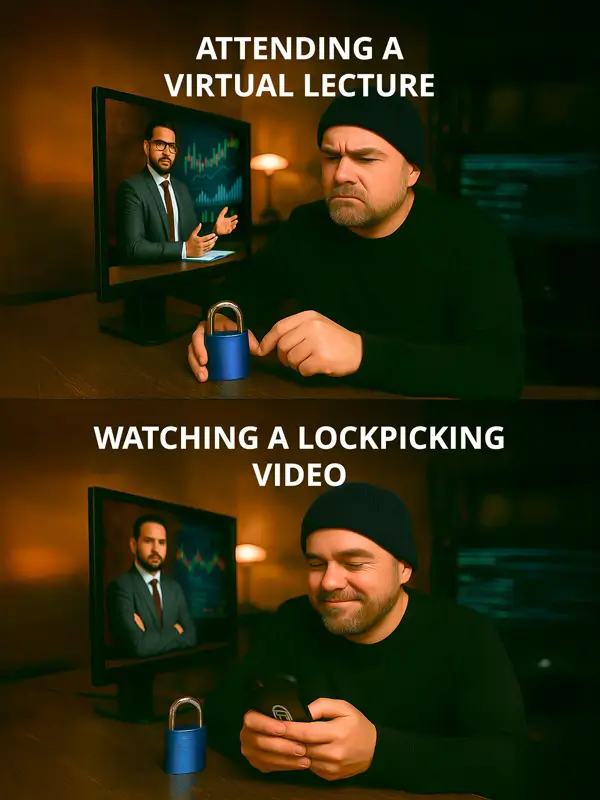
LockPickingLawyer: The King of Lock Content
A name dominates the lockpicking YouTube scene: LockPickingLawyer. With over 4 million subscribers, he is probably the most influential lockpicker in the world.
His video format is brilliant in its simplicity. You only see his hands, the lock, and the tools while he calmly explains what he is doing: “Pin three is binding… four is overset… click… back to 3… and open.”
What makes LockPickingLawyer so effective:
- Short, precise videos (often under 3 minutes)
- Clear technical explanations without fluff
- Reviews of locks that make manufacturers think
- Focus on raising awareness about lock security
A funny detail: in the lockpicking community, there is sometimes debate about LockPickingLawyer. Some believe he uses too many “bypass” techniques (where you don’t actually pick the lock but circumvent it with shims). Others argue that he is not necessarily the best lockpicker, but rather a very neat and fast picker who can explain things wonderfully.
But one thing is certain: he has made lockpicking mainstream. Millions of people who would never have heard of this hobby now know about lockpicking thanks to his videos.
Other Popular Lockpick Channels
LockPickingLawyer is not the only one. Pioneers like “BosnianBill” (now retired) made tutorials and reviews for years. Newer channels like “Lock Noob”, “Mcnally”, and “The Modern Lockpicker” also contribute to online knowledge sharing.
These YouTubers almost always emphasize that lockpicking should only be practiced at home or on your own locks. They often conclude with ethical rules, just as it should be.
Stories from the Lockpicking Community
The lockpicking community on Reddit (r/lockpicking) has hundreds of thousands of members who share their experiences daily. Let me take you through some stories that capture the essence of locksport.
The First Lock Feeling
A French beginner recently shared his breakthrough moment:
“Tonight I learned a valuable lesson. As a beginner, I first tried raking because everyone said it was faster. But tonight I took the time for single pin picking. I slowly began to understand what I felt under my fingers, step by step. And finally, it worked! What joy that feeling gave me.”
These kinds of stories touch me every time. They perfectly summarize why we do this: that magical moment when your first lock opens.
Sharing the Hobby
Another user told how he introduced lockpicking to friends during a dinner:
“When my nerdy hobbies came up and they heard I picked locks, it was immediate: ‘I want to try it!’ These two managed to open several locks with picks within an hour. One of them even succeeded in SPP. Her victory shout was beautiful. Both noted how picking clarified and calmed their thoughts.”
This is exactly what I experience too. Lockpicking has something meditative about it; you have to be fully in the moment, focused on what you feel and hear.
From Skeptic to Addict
A user who had only been at it for a month wrote:
“I started last month and initially focused only on the feel, sound, and behavior of locks. This week I finally had enough confidence to really try it. I opened my first lock in under a minute. I really enjoy this hobby.”
Relatable! Many IT professionals and knowledge workers find lockpicking perfect because it is hands-on; you are physically engaged while being mentally challenged.
The Proven Industries Saga
A recent example of how the community deals with lock security: the Proven Industries controversy. A lockpicker demonstrated a vulnerability in their padlocks. Instead of thanking the company for the feedback, the company threatened with a lawsuit.
The community rallied behind the lockpicker. Thousands of users shared their experiences, boycotted the products, and praised the transparency. Ultimately, the company backed down – a victory for open knowledge sharing.
This saga shows how seriously the locksport community takes ethics and responsibility.
Ethical Boundaries and Responsibilities
Let’s be honest: lockpicking exists in a gray area. The skills you learn can be used for both good and evil. Therefore, it is important that the community adheres to strict ethical rules.
The Golden Rules of Locksport
- Only open locks that belong to you – Or for which you have explicit permission
- Never use your skills for personal gain at the expense of others
- Openly share vulnerabilities with manufacturers – But give them time to respond
- Educate about responsible use – Help beginners understand the rules
- Respect privacy and property – Even if you could technically open a lock
The TOOOL Oath
At TOOOL, every new member takes an oath that essentially comes down to: “I use my knowledge only for educational and legal purposes.” This may sound dramatic, but it emphasizes how seriously the organization takes ethics.
Why Burglars Don’t Use Lockpicking
Important fact: The fear that criminals will massively use lockpicking is unfounded. Why? Simple: it is too slow and requires too much skill.
Burglars are opportunists who seek the path of least resistance. Breaking a window takes 5 seconds. Forcing a door with a crowbar takes 10 seconds. Picking a lock can take minutes to hours, depending on the security.
Police statistics show that lockpicking is almost never used in burglaries. Most burglaries occur through:
- Breaking windows (40%)
- Forcing doors (35%)
- Open windows/doors (20%)
- Other methods including lockpicking (5%)
So while the media loves to dramatize the “dangers” of lockpicking, the reality is much more sober.
Lock Security and Certifications
One of the unexpected side effects of lockpicking as a hobby: you become much more aware of lock security. Let me explain what certifications exist and what they mean.
SKG Certifications in the Netherlands
In the Netherlands, we have the SKG certifications for burglary resistance:
- SKG* – Basic security, suitable for sheds and garages
- SKG** – Standard burglary delay, minimal protection
- SKG*** – Recommended for front and back doors, meets the Police Quality Mark Safe Living
Even experienced lockpickers immediately notice the difference between a cheap lock and an SKG*** cylinder. The extra security features like anti-bump key pins, security pins, and core pull protection make it much harder to open such a lock without a key.
ART Certification for Bicycles and Motorcycles
For bicycles and motorcycles, there is the ART certification, which ranges from ART1 to ART5:
- ART1 – Basic security against quick theft
- ART3 – Suitable for e-bikes or regular scooters
- ART5 – Maximum protection, often required for expensive motorcycles
The higher the ART score, the longer the lock resists attacks such as lockpicking, sawing, or prying.
Pro tip from Ties: An SKG*** lock is designed to hold back a skilled lockpicker for at least three minutes with standard tools. In practice, it often takes much longer. I have SKG*** cylinders that I still can’t open after years of practice!
Common Misconceptions about Lockpicking
There are many myths about lockpicking. Time to set a few straight:
Myth 1: “Lockpicking is illegal”
Truth:
In the Netherlands, possessing and using lockpick tools is completely legal. You may buy, own, and use them on your own locks. Only using them on someone else’s locks without permission is punishable.
Myth 2: “You can open any lock in seconds”
Truth:YouTube videos give a distorted view. LockPickingLawyer sometimes opens locks in seconds, but these are often cheap locks with poor security, locks he has practiced on before, or recordings after multiple attempts. In practice, a well-secured lock can take hours to open, even for experts.
Myth 3: “Lockpicking makes all locks worthless”
Truth:
Not all locks are created equal. Yes, cheap padlocks can sometimes be opened in seconds. But high-quality locks with security pins, disc systems, or electronic components continue to provide excellent security against most attack methods.
Myth 4: “You need special tools”
Truth:
While a good lockpick set helps, experienced pickers have opened locks with paperclips, hairpins, and even pieces of soda cans. It’s more about technique and feel than fancy tools.
Myth 5: “Lockpickers are potential criminals”
Truth:
The vast majority of lockpickers are hobbyists, IT professionals, engineers, and people who are simply curious about how things work. The community strictly polices itself and has zero tolerance for abuse.
Frequently Asked Questions
What is locksport exactly?
Locksport is the sport and hobby of opening locks without the original key, purely for fun and challenge. It involves manipulating the internal mechanism with special tools, without brute force.
Is lockpicking legal in the Netherlands?
Yes, lockpicking itself is legal in the Netherlands. You may own and use lockpick sets. However, you may only open locks that belong to you or for which you have explicit permission. Opening someone else’s locks without permission is punishable under Article 138a of the Dutch Penal Code.
Which lockpick set is best for beginners?
For beginners, I recommend sets like the SouthOrd PXS-14, Sparrows Tuxedo Set, or the Multipick Elite 9. These sets include at least 3 hook picks, 1-2 rakes, and 3 tension wrenches – everything you need to get started.
Can a beginner attend a TOOOL meeting?
Absolutely! Beginners are more than welcome at TOOOL meetings. Just let them know in advance that you are coming, as members will bring special beginner lockpick sets for you. In Amsterdam, meetings are held every Thursday, in Eindhoven every Tuesday.
Do burglars use lockpicking?
Almost never. Burglars choose faster methods like tapping windows or forcing entry with a crowbar. Police statistics show that lockpicking is used in less than 5% of all burglaries.
How long does it take to learn lockpicking?
With the right tools and guidance, you can open your first simple lock with raking within a few hours. For single pin picking, expect a few days to weeks. To become truly proficient, expect months to years of regular practice.
How much does a good lockpick set cost?
Beginner sets start at 15-25 euros for basic sets. For better quality like SouthOrd or Sparrows, expect 30-50 euros. Professional sets like Multipick Elite cost 40-80 euros.
Can lockpicking damage my lock?
No, when used correctly, lockpicking does not damage your lock. It is a “non-destructive entry” method. You only manipulate the pins inside without forcing or breaking anything.
Are all locks pickable?
Theoretically, most mechanical locks are pickable, but some are extremely difficult or practically impossible. Locks with SKG*** certifications are designed to keep even experts busy for at least 3 minutes.
What is the difference between lockpicking and bumping?
Lockpicking is the precision work of manipulating individual pins with picks and tension wrenches. Bumping uses a special “bump key” that you tap to make all the pins jump up at once.
Welcome to the World of Locksport
We have reached the end of this comprehensive guide. If you have read this far, you now understand what locksport entails, why thousands of people worldwide enjoy it as a hobby, and how you can easily get started with this fascinating puzzle sport.
Lockpicking is much more than the stereotypical image of “bad guys with lockpick sets.” It is a craft, a sport, and a form of problem-solving. It uniquely combines technical insight, patience, community, and ethics.
The Key Takeaways
- Locksport is legal and ethical – as long as you respect the rules
- The community is open and welcoming – TOOOL meetings are perfect for beginners
- Learning takes time – don’t expect to be an expert in a day
- Invest in good tools – a decent lockpick set makes a difference
- Use your skills responsibly – only open locks for which you have permission
Your Next Steps
If you have become interested in locksport, here are your next steps:
- Get a beginner lockpick set – choose quality over quantity
- Buy a few practice locks – start with simple padlocks
- Join the community – attend a TOOOL meeting or join r/lockpicking
- Practice regularly – even 15 minutes a day makes a difference
- Keep learning – YouTube, books, and forums offer endless knowledge
You will find that every “click” in the lock is a small victory. The eureka moment when the cylinder finally turns – that is what motivates us all.
Welcome to the fascinating world of locksport. I look forward to your first success story.

More Lockpicking Blogs
Want to learn lockpicking? With the right lockpick set and our guides, you can open your first lock within just a few hours. Whether you choose a beginner lockpicking set or professional lockpick tools, our articles will teach you all the techniques step by step.
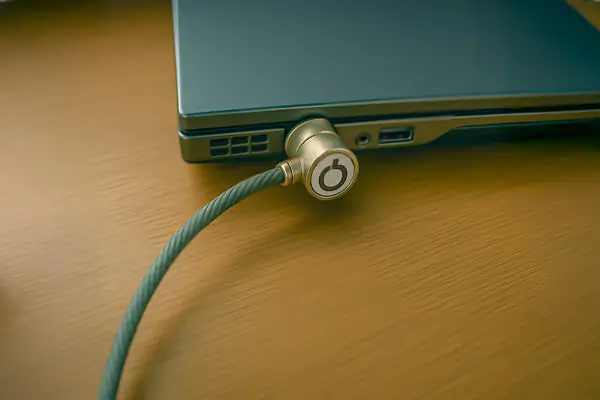
Opening Tubular Lock with Toilet Roll
Radial locks that secure laptops and filing cabinets appear safe, but in practice, they prove surprisingly vulnerable. In this article, I show how a simple piece of cardboard from...
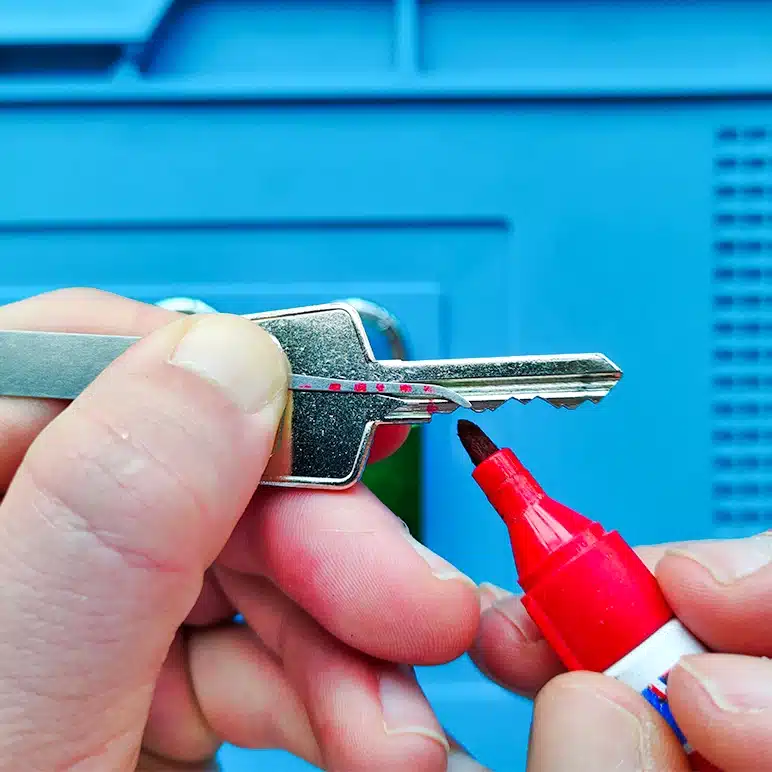
My First Abus Lock Lockpicking
Discover how to lockpick the challenging ABUS 72/40 with step-by-step tips on raking, single pin picking, and using the right tension wrench. Also learn about the marking technique and...
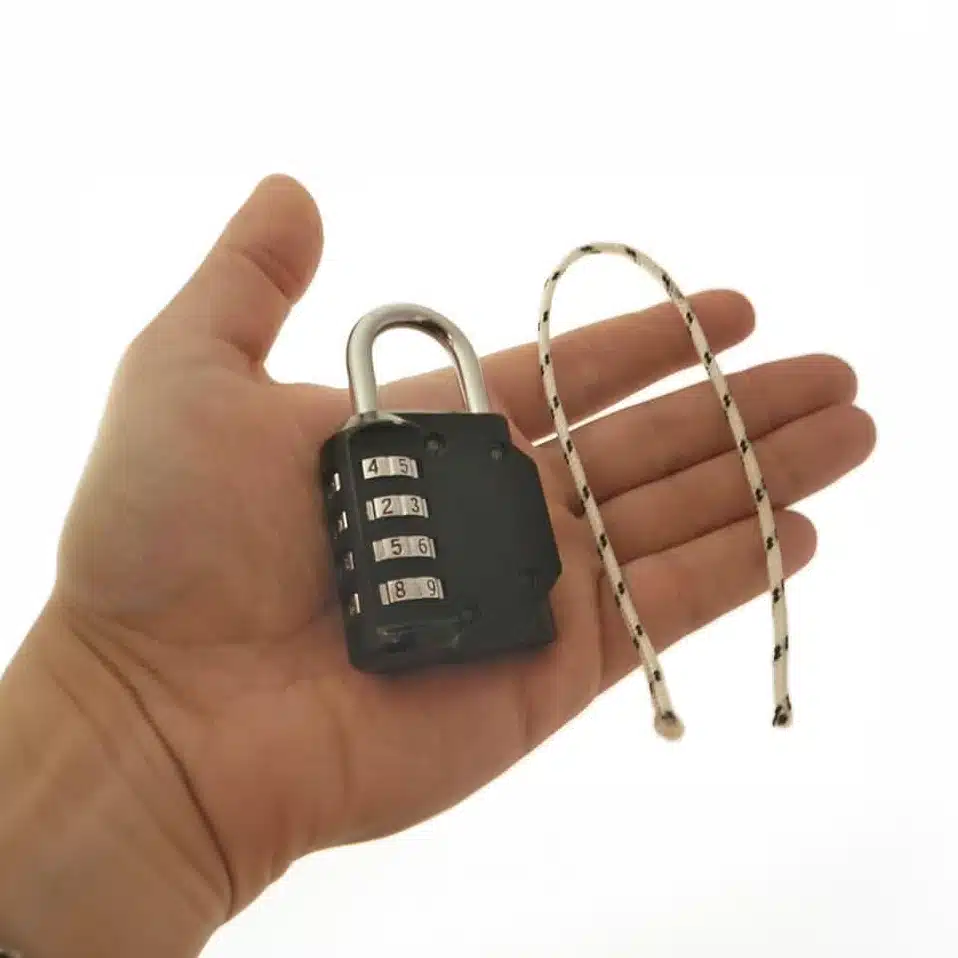
Cracking a Combination Lock – Easy and Simple Opening
Forgot your combination lock code? In this guide, you'll learn two proven methods to crack a combination lock: the rope method for quick grip and the decoder technique to...
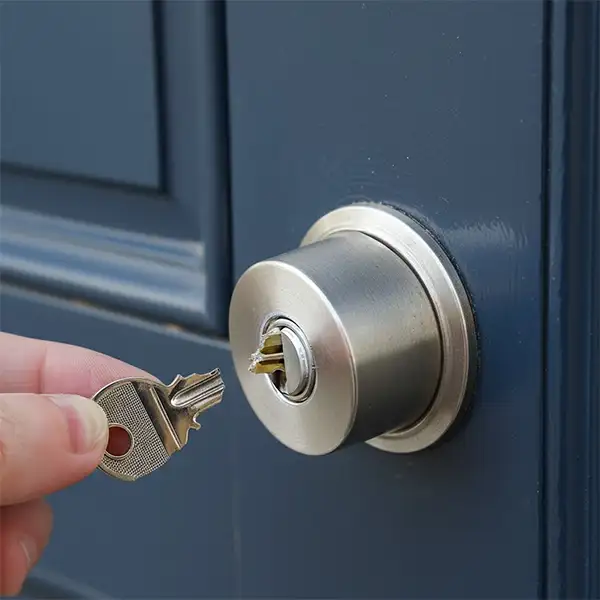
Key Broken in Lock? 5 Methods + Costs [2025]
You turn your key, hear a click, and BAM – you’re left with half in your hand. No!! That was… Read more »