
-
Je winkelmandje is leeg
Ga naar de shop om producten in je winkelwagen te plaatsen
Geocaching in the Netherlands
Geocaching is a popular outdoor activity where you search for hidden caches using GPS. Discover the history of this hobby, how geocaches work, and how lockpicking sometimes plays a fun role in opening secured caches during special lockpicking events.
Author: Ties
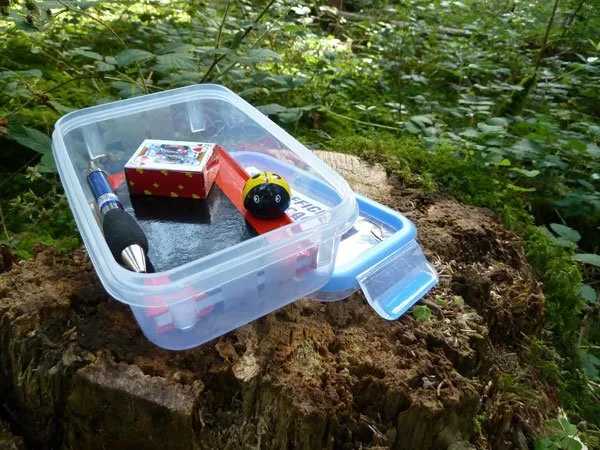
Geocaching is a fun outdoor activity where participants use a GPS system, smartphone, navigation system, or other navigation techniques to hide and seek containers.
These containers are called “geocaches” or “caches” and are hidden at specific locations all over the world using coordinates.
A cache is often a waterproof container that contains a logbook and sometimes a pen or pencil.
The geocacher marks the logbook with their name and date to prove that they have found the cache. After signing the logbook, the geocache must be placed back where it was found.
Large containers, such as Tupperware (or other plastic boxes) or metal ammunition boxes, can also be used to share toys or special geocache trinkets (with more sentimental value than financial value).
Geocaching is very similar to treasure hunting and the well-known Pokémon Go.
The Origin of Geocaching
Geocaching was originally played in a similar way to the 160-year-old game letterboxing. In this game, clues and references were given to find sights in an adventurous way.
In the year 2000, the GPS system was significantly improved, allowing small containers to be placed and tracked at specific locations.
The first geocache in the world was a black plastic bucket that was partially buried. It contained some software, videos, books, money, a can of beans, and a slingshot.
This cache was eventually partially destroyed by a lawnmower. The can of beans was the only surviving item and has since been respectfully turned into a traceable item called “Original Can of Beans”.
Groundspeak has ultimately made geocaching much more commercial and has given it a global reach.

What are geocaches
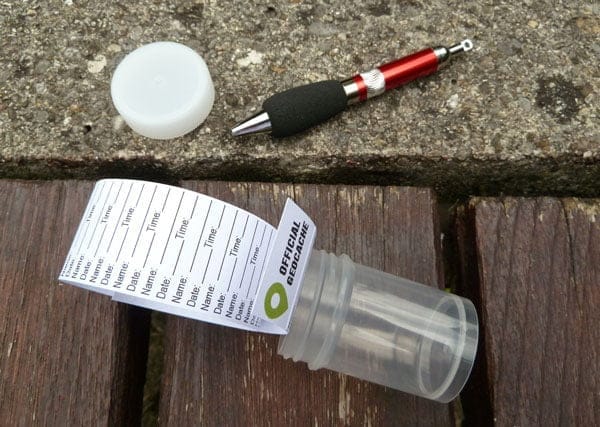
A traditional geocache is placed by a geocacher in a waterproof container. This includes a logbook (with pen or pencil) and items for trading. The coordinates of the cache are then established.
The coordinates are shared online along with other details about the location. Other geocachers can then find these details and go outside to search for the cache with their GPS system.
When a geocacher finds a cache, they write it down in the logbook and online on the site. The cache is then placed back so that others can find it again.
The items for trading can be taken by the finder from the cache in exchange for a similar item.
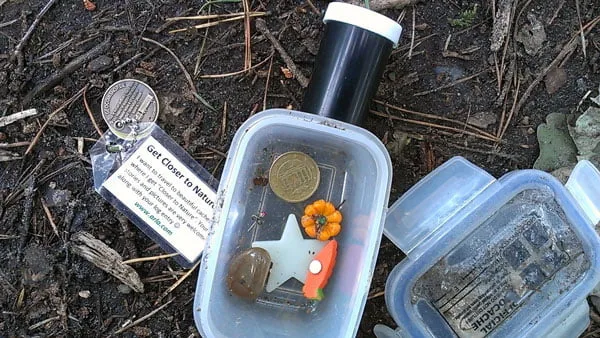
These geocache treasures are often referred to as “swag” in the geocaching world and usually have little monetary value, but they can have sentimental value.
Besides the logbook, a cache often contains unique coins or currencies, small toys, decorative buttons, CDs, or other memory cards (with data), or books.
Although it is not mandatory, many geocachers also place personal items back in the cache, such as personal Geocoins, pins, or handmade items. This allows them to show that they have been to the cache.
Disposable cameras are very popular because the finder can take a photo that can then be uploaded to the Geocaching website mentioned below.
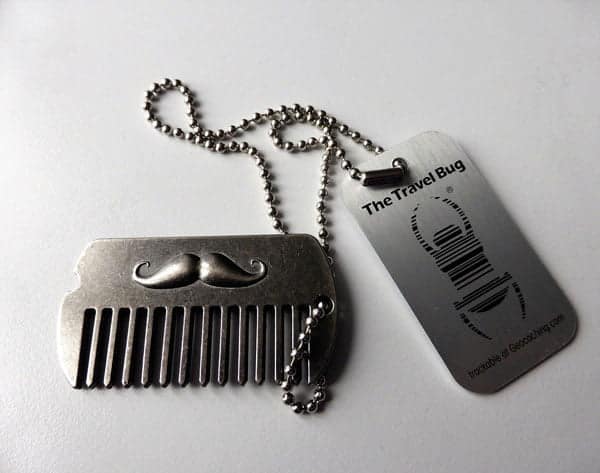
Other popular items in a cache are called “hitchhikers”. These are often Travel Bugs or Geocoins. These hitchhikers have special data that can be processed and tracked online by others.
Geocachers who place a Travel Bug or Geocoin in a cache often assign specific tasks for finding their traceable items.
Examples of these tasks include placing the items in a specific cache far from home, traveling to a specific country, or completing a journey faster and further than other geocachers on a trip.
The Rules of Geocaching
Geocache websites have their own rules for what acceptable geocache publications are. Municipalities and other landowners often publish their own guidelines for geocaching as well. A general geocache rule is to prevent disturbance and unrest for others. Other general rules include not putting others in danger, minimizing damage to nature, and respecting private property.
Lockpicking and geocaching
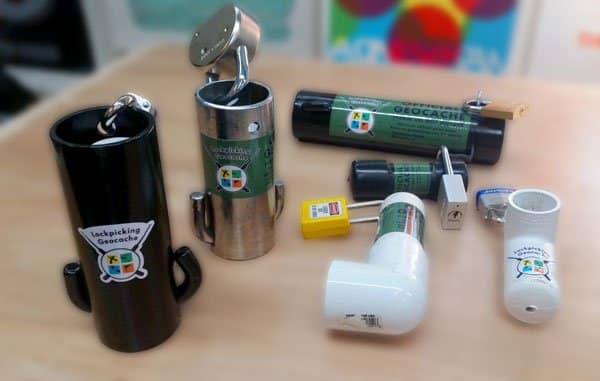
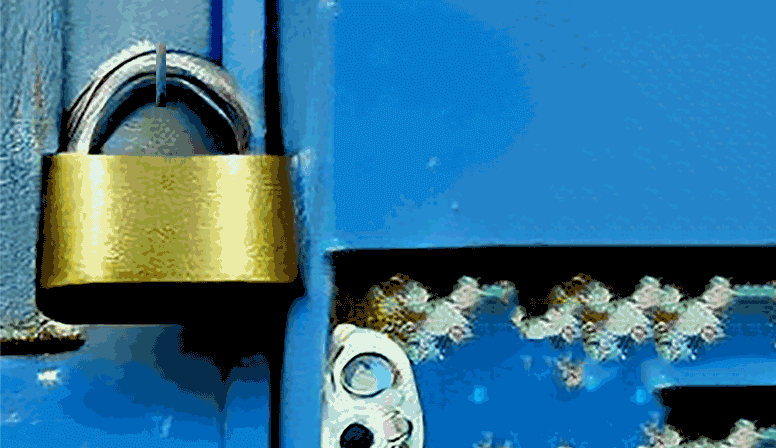
With geocaching, there are sometimes tasks where the final container is secured, for example, by a padlock. The padlock must then be opened according to the instructions in the description; using lockpicking techniques and a lockpick set. Lockpicking caches can be found on Geocaching.com in the categories Multi-Cache, Puzzle Cache, and Traditional geocaching.
Lockpicking workshops are sometimes offered as part of geocaching events. During the lockpick workshops, geocachers are trained in the techniques of lockpicking.
On other geocaching platforms, such as geocaching.nl, lockpicking geocaches are also available.
Lockpicking is thus a fun part of geocaching, as the opening of this geocache variant cannot be done in other ways. Many geocaching communities like to take special account of lockpicking through their internally organized events.
The Danger of Geocaching
There have been various accidents during geocaching, and some of these have even resulted in fatalities. A well-known example is a 21-year-old experienced geocacher. In December 2011, the task was performed to locate a “Groundspeak cache that looked completely harmless”.
This accident led to a huge discussion on the Groundspeak forum. Many changes were then discussed, such as whether cache owners or Groundspeak could be held responsible for the consequences. Groundspeak, from Geocaching.com, subsequently updated the terms of participation in geocaching stating that geocachers are responsible for the risks involved in finding geocaches.
Geocaching has since led to many more known (and undoubtedly unknown) accidents. Our advice is therefore to always be cautious about what you do and are going to do while geocaching.
Websites about Geocaching
There are many different websites that share geocaches online all over the world. The use of these websites varies in many different ways, such as sharing data.
The First Geocache Website
On May 8 (2000), the first geocache domain was launched with the address geocaching.com. Today, this is also the largest geocache site and is owned by Groundspeak Inc., which was used by the end of the year 2000.
Participants all over the world can use the site for free. The website claims that millions of caches and participants are active in more than 200 countries.
Hiding places and events must first be approved by volunteers before they are posted online.
If you are a member of the website, you can read coordinates, descriptions, and logbooks of some caches.
Geocaching.nl
There are many more geocache websites known all over the world. In the Netherlands, geocaching.nl is very well known. This Dutch geocache community is happy to help you get started on your geocache adventure.

More Lockpicking Blogs
Want to learn lockpicking? With the right lockpick set and our guides, you can open your first lock within just a few hours. Whether you choose a beginner lockpicking set or professional lockpick tools, our articles will teach you all the techniques step by step.
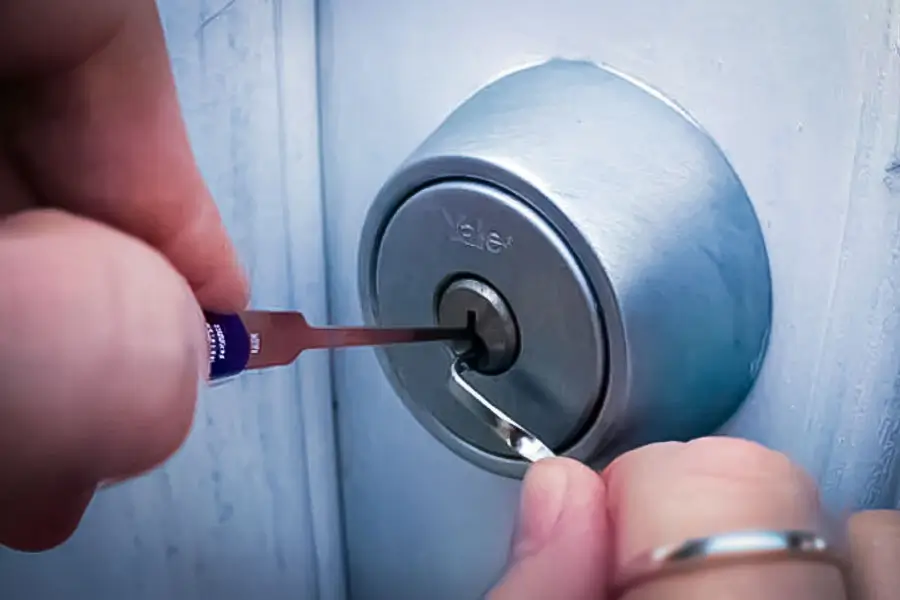
Why You Should Learn Lockpicking Now
Lockpicking has an undeserved negative image, but is primarily a valuable and fascinating skill. Discover how it helps you better understand your own security, how it provides solutions in...
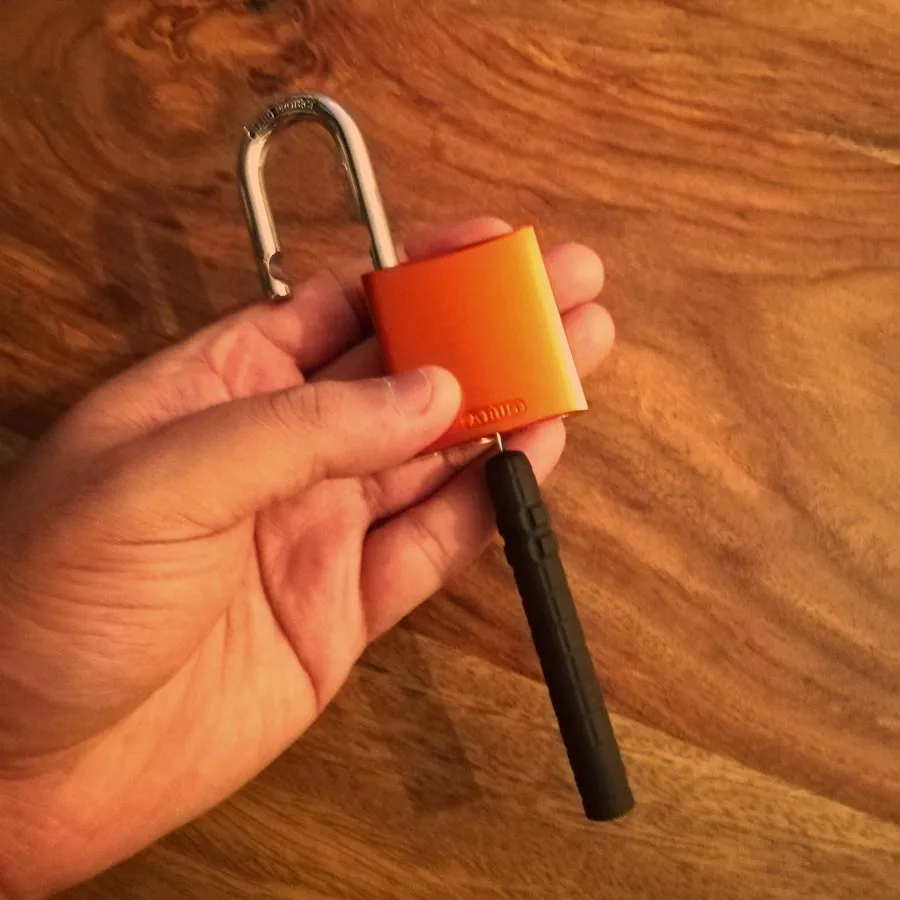
ABUS Bypass Driver – Open ABUS 72/40 Padlock
The ABUS 72/40 is a popular padlock, but it has a notable weakness: the Bypass Driver technique. In this article, I will explain step by step how this bypass...
How does a Lockpick Gun work?
A lockpick gun (snap gun) uses kinetic energy to separate the pins in a cylinder lock, similar to the Newton's cradle principle. In this article, I explain the physics...

How can you improve in lockpicking?
Do you want to become faster and better at lockpicking? With these 6 practical tips, you'll learn why you should vary between locks, how to prevent frustration, why regular...