
-
Je winkelmandje is leeg
Ga naar de shop om producten in je winkelwagen te plaatsen
The Basics of Lockpicking: A Guide to Pin Tumbler Locks
Discover the basics of lockpicking and how pin tumbler locks work. We discuss why lockpicking is a useful and legal skill, what tools you need, what a false set is, and answer frequently asked questions about practice locks and the reality of lockpicking in films.
Author: Ties
Have you ever wondered how lockpicking works and why it can be a valuable skill? Many people associate lockpicking with cinematic espionage or illegal activities, but there is much more to this fascinating skill. In this blog, we explore the art of lockpicking, focusing on pin tumbler locks, and reveal why it can be a useful, legal, and even life-saving skill.
Why Lockpicking Is A Useful Skill
Lockpicking is not just for secret agents or criminals. It is a practical skill for everyday situations. For example, imagine accidentally locking yourself out. With knowledge of lockpicking, you can save yourself from frustration and the cost of a locksmith. Moreover, the realization that many locks are relatively easy to crack can encourage you to take better security measures for your belongings.
The Legal Aspects of Lockpicking
Lockpicking is legal in many regions, as long as it is used without criminal intent. However, legislation varies by country and state, so it is important to know your local laws. This blog serves as an informative resource and always encourages ethical and legal use of lockpicking.
How a Pin Tumbler Lock Works
A pin tumbler lock, the most common type of lock, operates with a series of pins that must be raised to a specific height to open the lock. By understanding how these pins work, a lockpicker can apply the right technique to open the lock without a key.
Tools Needed for Lockpicking
To pick a pin tumbler lock, some basic tools are needed, such as a tension wrench and a pick. There are more than 100 different quality lockpicking sets available in our collection. For the DIY enthusiasts among us, it is even possible to make tools from everyday items like paperclips or windshield wipers.
Techniques for Picking Pin Tumbler Locks
Lockpicking is a skill that requires practice. A basic technique is the “raking” method, where you manipulate the pins with the pick while applying light pressure with the tension wrench. Patience and practice are crucial to develop the subtle movements and the right feel needed for successful lockpicking.
What is a False Set?
In the world of lockpicking, the term ‘false set’ often comes up, especially when dealing with more advanced locks equipped with security pins. But what does it actually mean?
Imagine you are carefully manipulating a lock and suddenly feel a small, misleading turn in the core – you have reached a false set. This occurs when one or more of the security pins (such as spool or serrated pins) hold the core at a certain point, while you think you are about to open the lock. It is a false sense of success, as the lock is not actually open yet.
Identifying a false set is crucial, as it tells you that the lock contains security pins and requires a refined approach. The challenge is to find that one rebellious pin that is still not set correctly and to adjust it carefully without disturbing the other pins you have already positioned correctly.
The skill to navigate a false set distinguishes beginner lockpickers from experts. It requires finesse, patience, and a well-developed sense of the subtle feedback the lock provides. With practice and the right technique, you can learn how to outsmart these tricky security pins.
Frequently Asked Questions
Here we answer a few frequently asked questions about lockpicking, such as legality, alternative tools for lockpicking, and applicability to different types of locks.
What Are the Basic Tools Needed for Lockpicking?
Lockpicking requires some essential tools, each with its unique function and technique. Below, we highlight three fundamental lockpicks and the importance of a diverse set of tension wrenches, specifically aimed at lockpickers in Europe.

Hook Pick
The hook pick is one of the most versatile and commonly used lockpicks. It has a simple, hook-like shape that allows you to manipulate individual pins in the lock. This technique, known as Single Pin Picking (SPP), enables you to work with great precision, which is essential for more complex locks. In our blog about SPP, we delve deeper into the effective application of the hook pick.
Rake
A rake is used for a faster and less precise method called ‘raking’. This pick has a series of notches and is moved quickly in and out of the keyhole to hit multiple pins at once. This can be effective for less complex locks. For more detailed information about this technique, check out our blog about raking.
Diamond Pick
The diamond pick, recognizable by its diamond-shaped tip, is a versatile tool that can be used for both raking and SPP. It offers a good balance between precision and the ability to move multiple pins at once.
Tension Wrenches
The most crucial tool in lockpicking is the tension wrench. This is used to apply tension to the lock while you work with the picks. Given the diversity of keyholes, especially in Europe where locks vary in size and shape, a wide selection of tension wrenches is essential. Different keyholes require different types and sizes of tension wrenches for effective manipulation.
Owning a varied set of these tools gives you the flexibility to tackle different types of locks. For in-depth guides on using these tools, refer to our detailed blogs on SPP and raking. This information will give you a solid foundation in the art of lockpicking, specifically tailored to the European market.
How Long Does It Take to Learn Lockpicking and What Practice Locks Are Recommended?
Lockpicking can be learned relatively quickly, but like any skill, the speed of learning depends on the individual and the amount of practice. One of the key aspects of learning to lockpick is using a suitable practice lock. Below we discuss the best types of practice locks for beginners.
Importance of a Good Practice Lock
A high-quality practice lock is crucial for effective lockpick training. While there are various types of practice locks available, metal cutaway locks, such as the Skylender, are an excellent starting point. These locks provide a cross-section view of the internal mechanisms, giving you a clear picture of what happens inside the lock during lockpicking.
Metal Cutaway Lock vs. Transparent Acrylic Lock
A metal cutaway lock is preferred over a transparent acrylic lock. While transparent locks can be useful for demonstration purposes, they do not provide the same feel and realistic challenge as a metal lock. Metal cutaway locks give a more accurate representation of lockpicking a real lock, which is essential for developing the right technique and feel.
Transition to Real Locks
Once you have mastered the basics of lockpicking using practice locks, it’s time to test your skills with real locks. An affordable way to start is with a simple lock from a hardware store. When choosing your first real lock, pay attention to the number of pins – start with a lock that has as few pins as possible, as these are easier to pick. The number of pins in a lock can be recognized by the notches on the key.
A lock with fewer pins offers a less complex challenge, ideal for beginners. As your skills increase, you can seek out challenges with locks that have more pins and more complex mechanisms. This gradual buildup process is essential, as just like in racing, where you don’t start immediately in Formula 1, you also don’t start directly with the most complex lock.
Lockpicking requires time, patience, and ongoing practice. With the right practice locks and a consistent practice routine, anyone can become a true expert. Keep at it, and before you know it, you’ll be the Max Verstappen of lockpicking! For more detailed information and practical tips, don’t forget to check out our other blogs and guides.
Question 4: Is Lockpicking as We See It in Movies and on TV Realistic?
A common question, especially from people new to the world of lockpicking, concerns the realistic portrayal of lockpicking in movies and on television. Many people have formed their first impression of lockpicking based on how it is depicted in the media and are curious whether these portrayals match reality.
Lockpicking in the Media
In films and television series, lockpicking is often presented as a quick and simple act, where the hero or villain can open a lock in seconds with a hairpin or another improvised tool. While this makes for exciting and dynamic scenes, it is far from the actual skill and technique involved in lockpicking.
Realistic Lockpicking
In reality, lockpicking requires patience, practice, and a good understanding of the mechanics of locks. It is rarely a matter of a few seconds; even experienced lockpickers may take several minutes to open a complex lock. Moreover, unlike the often subtle and quiet approach in films, lockpicking can sometimes require audible clicks and movements to manipulate the pins correctly.
Want to read more about the Myths vs. Reality of Lockpicking? Then read our blog on Myths vs. Reality.
Conclusion and Ethics
Lockpicking is an intriguing skill that can be both practical and entertaining. It provides insight into how locks work and raises awareness about safety and security. We encourage anyone interested in lockpicking to always act ethically and responsibly.

More Lockpicking Blogs
Want to learn lockpicking? With the right lockpick set and our guides, you can open your first lock within just a few hours. Whether you choose a beginner lockpicking set or professional lockpick tools, our articles will teach you all the techniques step by step.
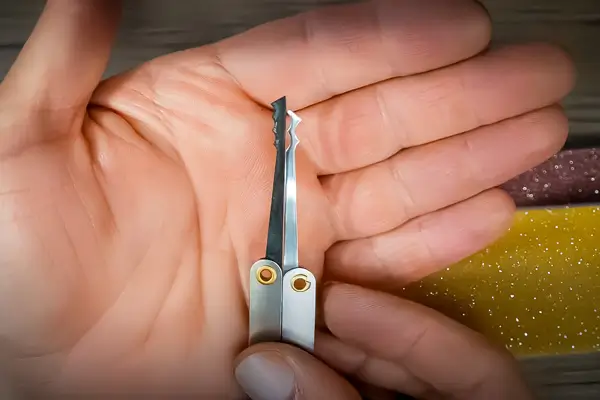
Why you should polish your new lockpick set (and how I do it)
New lockpick sets come straight from the factory with sharp edges and burrs, even from expensive brands. In this article, I explain why polishing is essential and how to...

Geocaching in the Netherlands
Geocaching is a popular outdoor activity where you search for hidden caches using GPS. Discover the history of this hobby, how geocaches work, and how lockpicking sometimes plays a...
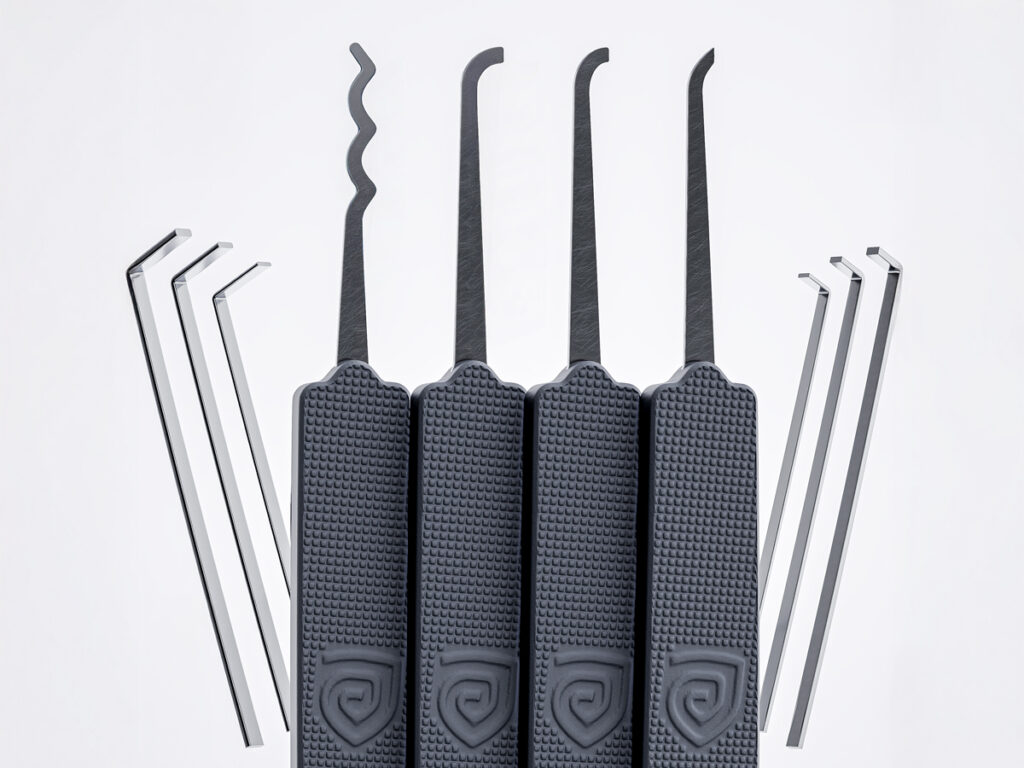
GrimGo Lockpick Set: First Feedback
The first GrimGo lockpick sets have been delivered and user feedback is pouring in. In this article, I share the initial experiences, why this set was developed to prevent...
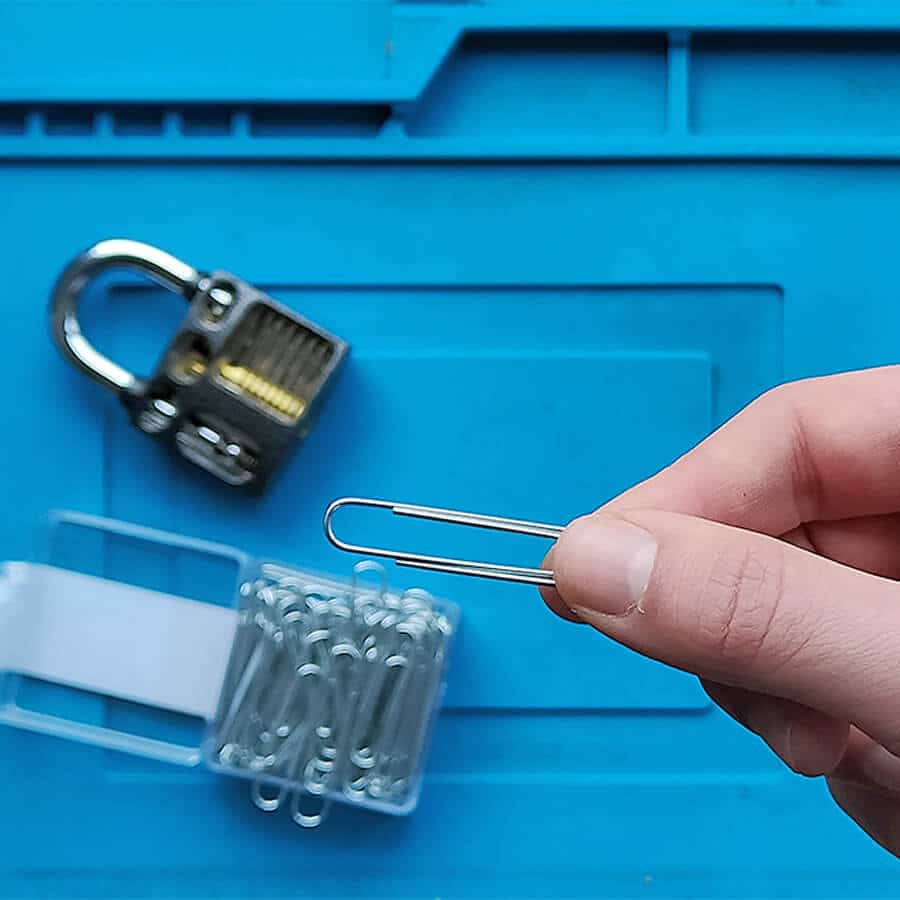
Opening a Lock with a Paperclip [2025 Update]
We explain how to open locks with paperclips. We explore the history and mechanisms of padlocks and provide a detailed guide on using paperclips as lockpick tools in the...