
-
Your shopping cart is empty
Go to the shop to add products to your cart
How to Make a Manual Lock Pick Gun (Snap Gun)
Author: lefadmin
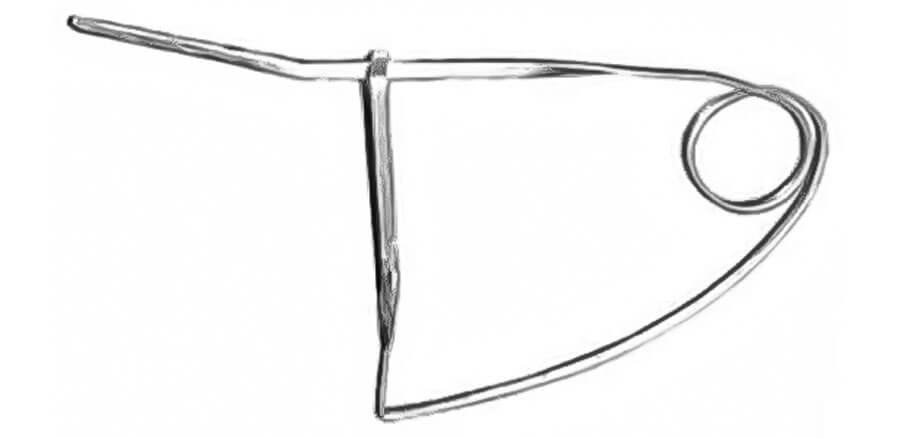
The simple version of the manual lock pick gun, also known as the snap gun, is easy to make yourself. You’ll need a long, thin, and flat piece of metal to craft the snap gun.
Street sweeper brushes are often used for this purpose (they’re also great for making lockpicks). However, these brushes aren’t always easy to spot. You can sometimes find them on the street, as they’re used by sweeping machines to keep roads clean.
Another option is a thin metal strip found in windshield wipers, or flat metal hangers with flattened ends that fit into locks. Bicycle spokes, also with flattened ends, are another alternative.
A solid foundation
Before you start building your lock pick gun, it’s recommended to straighten the metal strip. The first step in making the lock pick gun is forming the suspension. This is done by wrapping the metal strip around a round object of approximately 1.5 cm in diameter. A thick marker or pen would be a good option.
Using a flat iron, you can create a loop to wrap around a marker or another round object.

Bend the long end over the short end, leaving about 5 cm extending to go into the lock.

Bend it back again, making sure it’s secure and firm enough to create the necessary tension.
How to use this lock pick gun
The method of using a homemade or store-bought lock pick gun is quite similar. Insert the end into the lock, apply rotational pressure with a tension wrench, and start using the lock pick gun.

It’s important that the tip touches all the pins. Often, multiple attempts are required to unlock the lock. Experiment with the rotational pressure on the tension wrench. Using a snap gun usually requires less rotational pressure than manual lockpicking.
The importance of correct tension is often overlooked. For snap guns, this is a key factor in successfully opening the lock. The homemade snap gun works as follows:

Press the lever while holding the straight end in the lock.

When the lever is released, it strikes against the straight end, transferring force to the pins.
More Lockpicking Blogs
Want to learn lockpicking? With the right lockpick set and our guides, you can open your first lock within just a few hours. Whether you choose a beginner lockpicking set or professional lockpick tools, our articles will teach you all the techniques step by step.
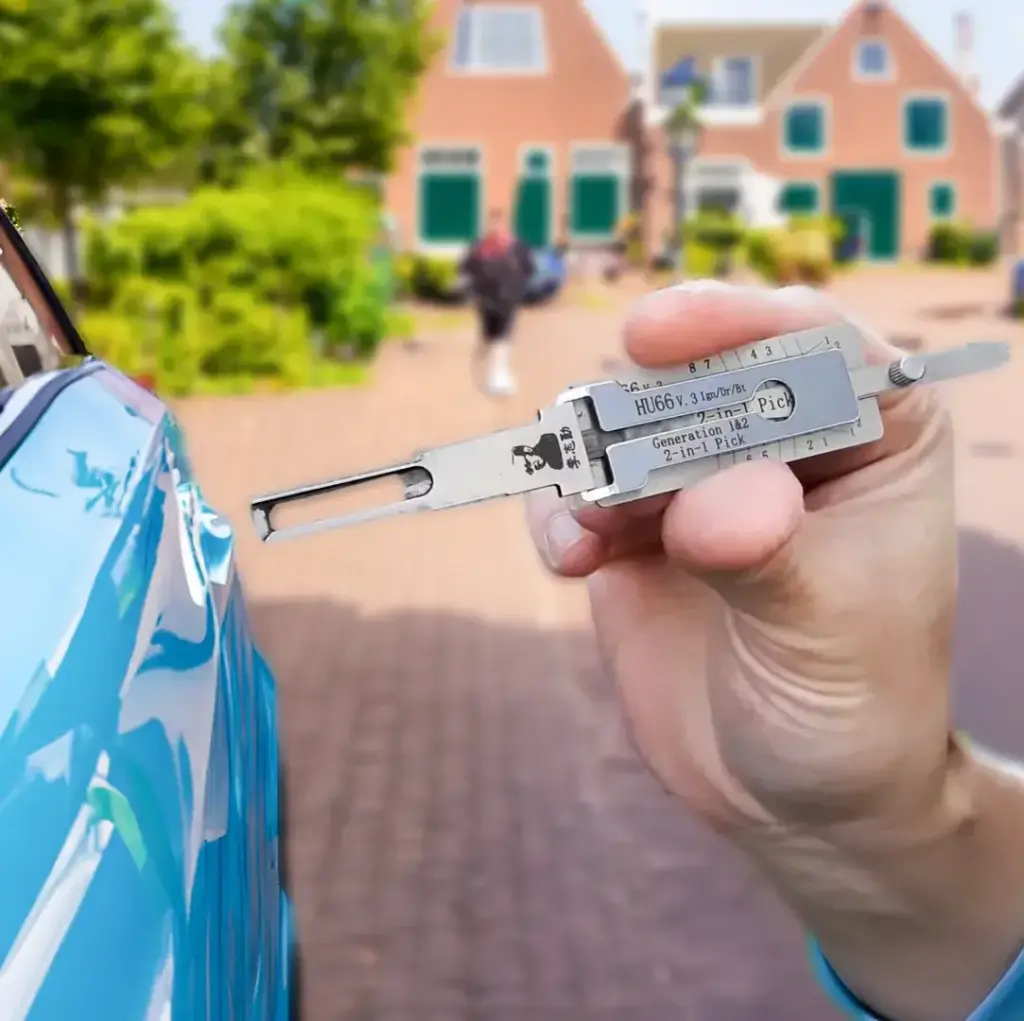
Open car locks with Lishi 2-in-1 lockpick and more! (2025 Update)
A complete guide to opening car locks with the Lishi 2-in-1 lockpick and decoder. You will learn how this tool works, how to decode a car lock in minutes,...
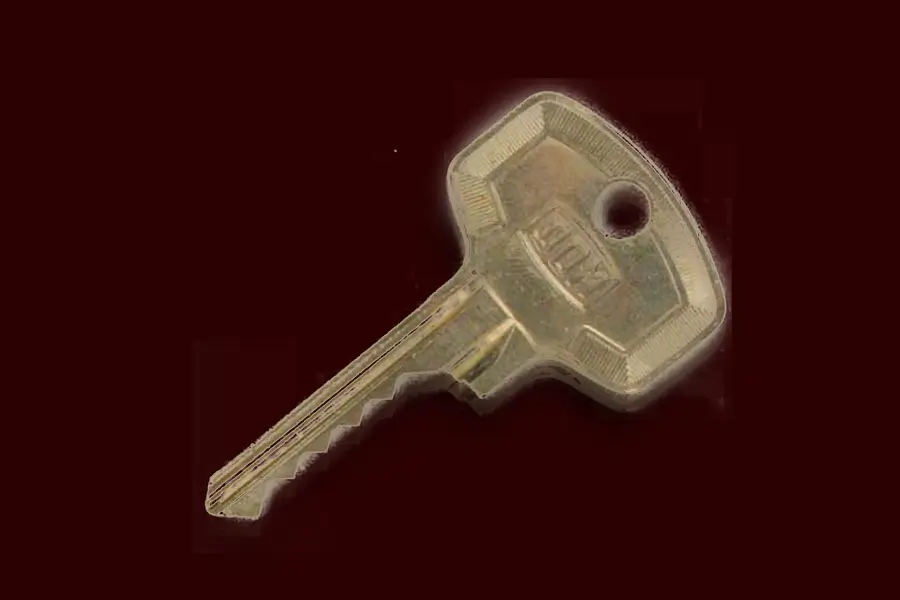
Lockpicking and Bumping
Discover how bumping works as a lockpicking technique to open pin tumbler locks. We explain how a bump key functions, which methods such as the Rebound and Micro-Movement methods...
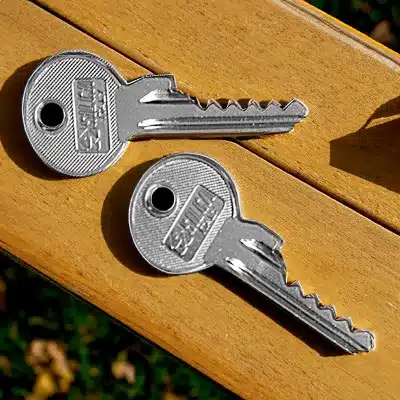
Bump Keys and What Property Managers Need to Know
Bump keys or bump keys can easily open pin cylinder locks. This article explains how bumping works, how effective it is, and how you can tell if a lock...
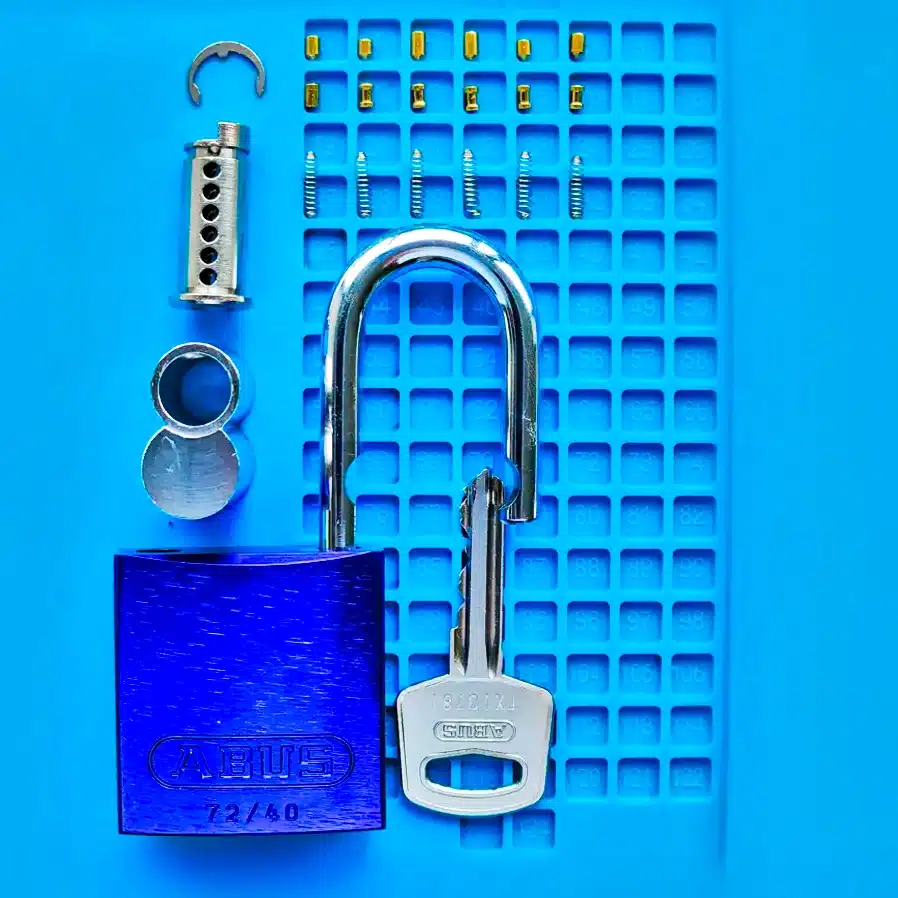
Setting Up a Practice Lock Yourself
Learn step by step how to create your own lockpicking practice lock from an ABUS 72/40 padlock. From disassembling the cylinder to progressively repinning: this comprehensive guide helps you...