-
Je winkelmandje is leeg
Ga naar de shop om producten in je winkelwagen te plaatsen

Our collection of tweezers
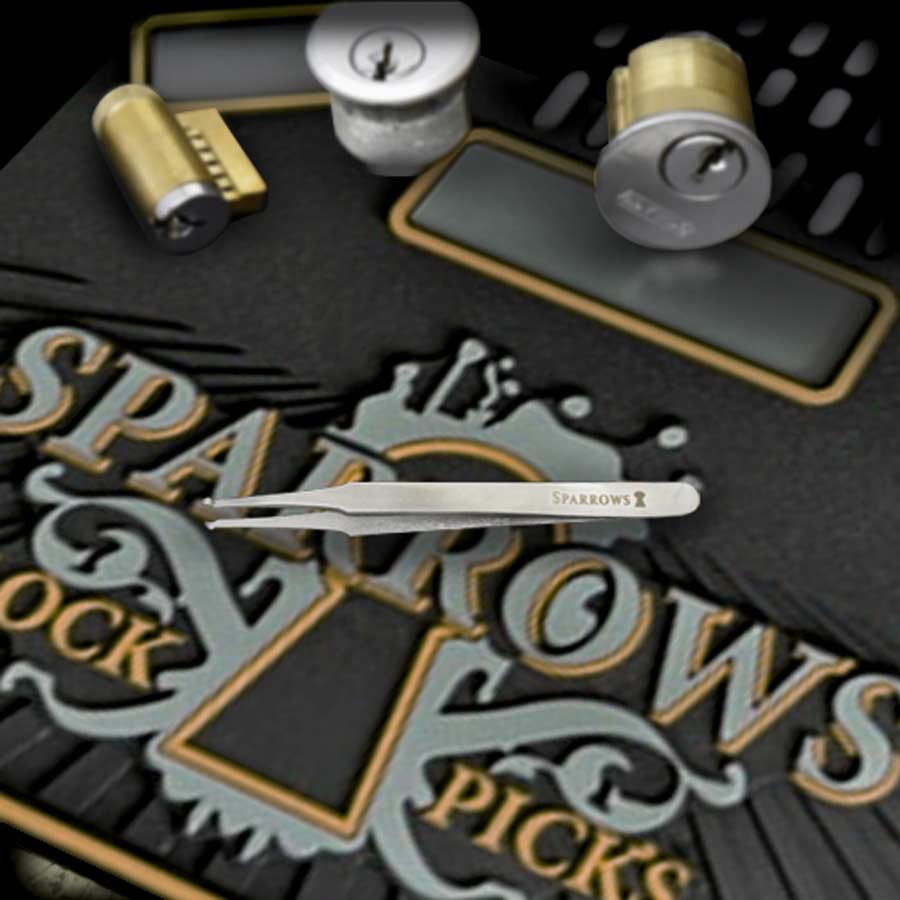
In our webshop, you can buy the best tweezers tailored to your needs and budget. Whether you are looking for tweezers for small parts, holding pins, or grabbing springs, we offer various types of high-quality tweezers. Discover our range today!
Sign up for our newsletter and be the first to hear about new products, exclusive offers, and helpful tips. As a thank you, you’ll receive 10% off your first order.

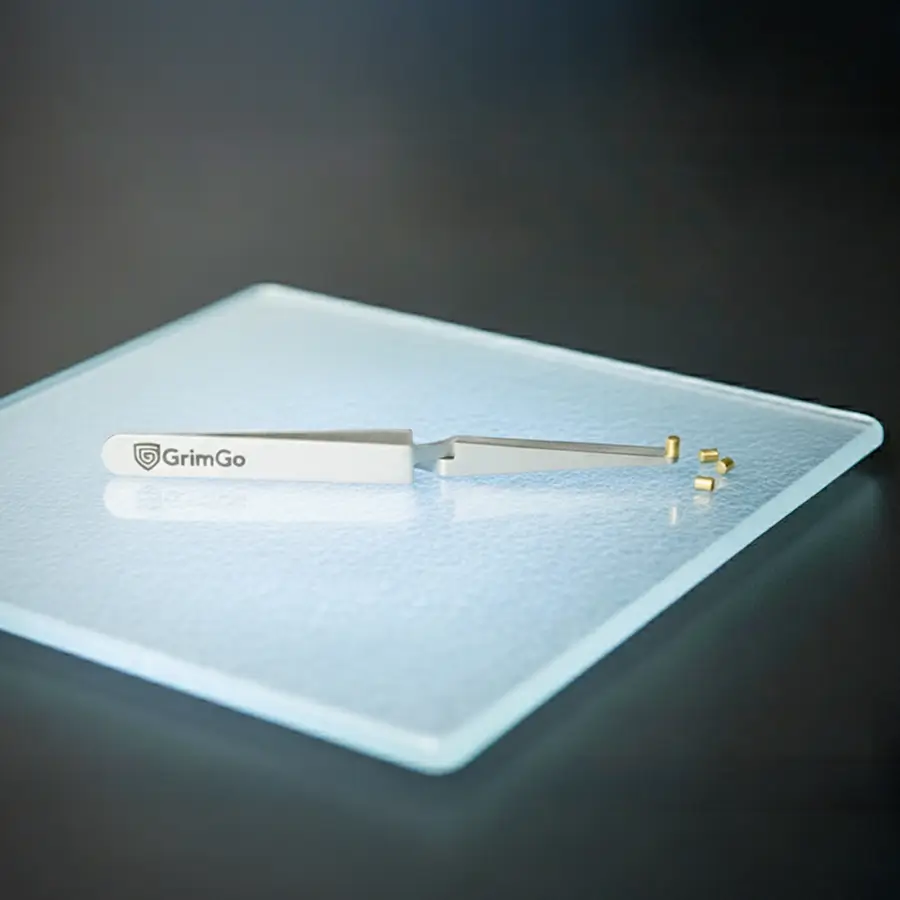
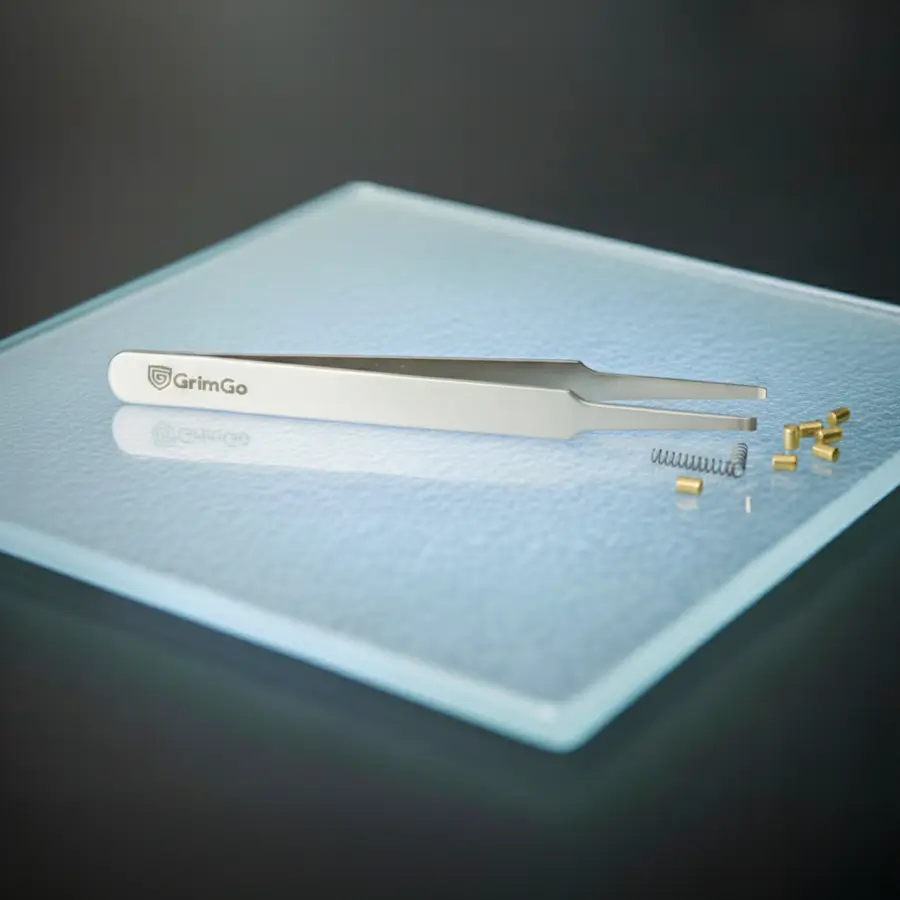
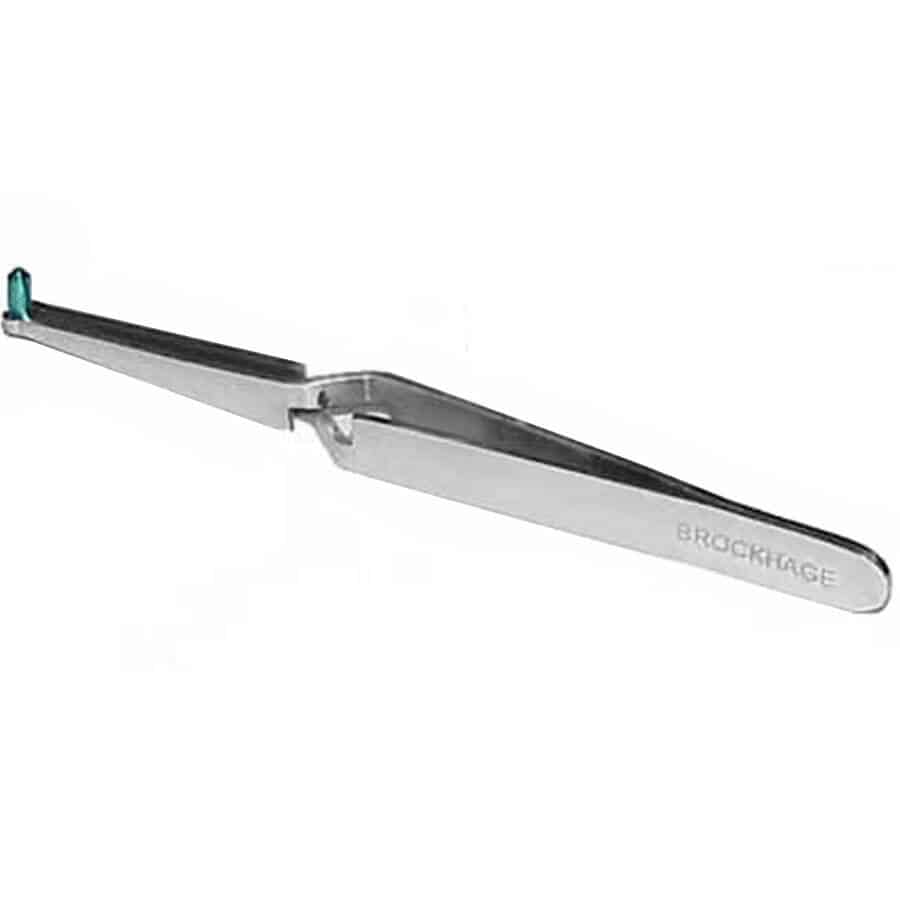
A tweezer for lock parts, also known as a pinning tweezer, differs significantly from a regular tweezer. Such a tweezer has a special rounded tip for pins and lock parts. This allows the tweezer to hold pins and springs very easily and precisely when disassembling or repinning locks.
The main difference is that our special tweezers keep the parts in the correct position. A regular tweezer does not have a rounded tip, which means you have less grip and control and can lose the pins. The tweezer with a special tip ensures that you can hold the smallest parts effortlessly and with less force.
These tweezers are perfect for accurately placing pins in a cylinder, grabbing springs, and working in tight spaces. Thanks to the notch in the tip, you have optimal control and prevent losing parts.
Absolutely! With inspiration from YouTube (search “Pinning Tweezers”), you can easily make a basic tweezer for pins with a cheap tweezer and a round file. This is a budget-friendly solution for beginners.
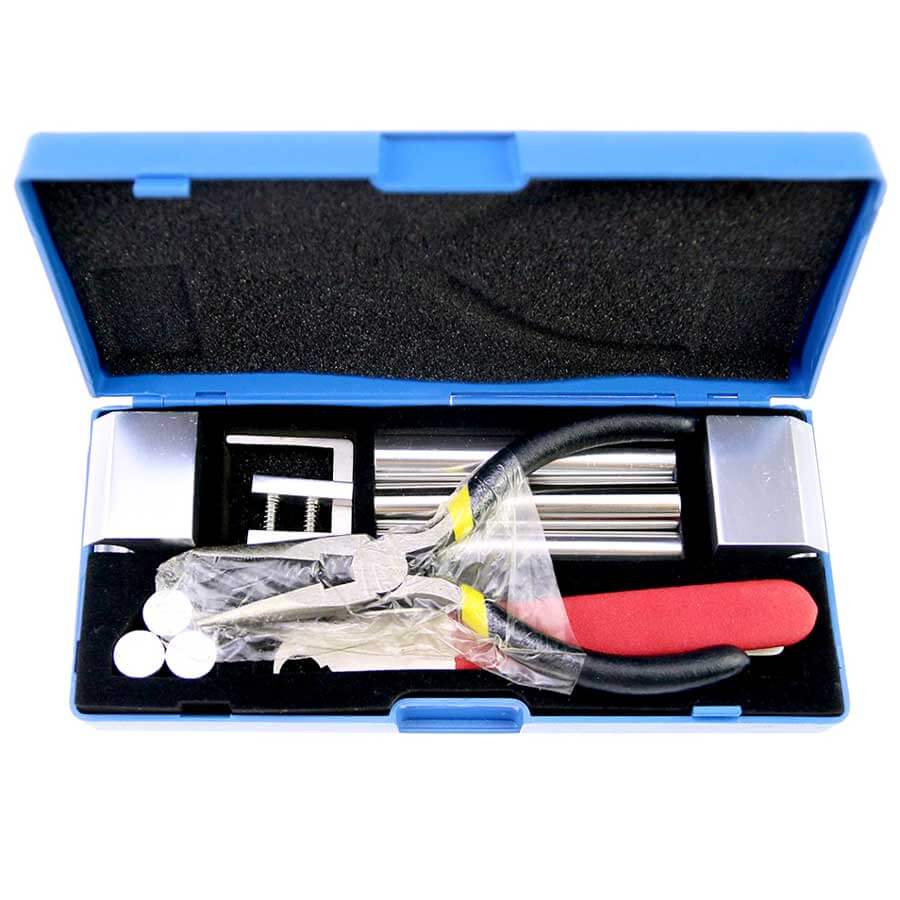
Do you want to get started with repinning or practicing on practice locks? Then a good lockpick set is a valuable addition!
Make sure your tweezer is suitable for your specific locks. A long tweezer with a rounded tip for pins is ideal for common cylinders such as ABUS locks, Schlage, and Euro cylinders.
A reverse tweezer automatically holds parts until you squeeze, which is very handy for prolonged repinning. A regular tweezer requires constant pressure to hold pins.